Blab AI
Generative AI Adoption Rises to 17% of Global Farmers as Costs Push Innovation
On Tuesday, September 8, 2026, McKinsey & Co. released a report that could reshape the way we think about agriculture: 17 % of the world’s farmers now turn to generative artificial intelligence (AI) for farm‑related tasks, a rate that outpaces all other technologies in the sector.
The Global Farmer Insights 2026 survey gathered responses from 5,500 farmers in ten countries between April and June, revealing that the uptake of generative AI is accelerating as growers seek high‑tech tools to counter a prolonged period of restrained spending. The report notes that a slump that began in 2021‑22 left farmers grappling with persistently high costs for labor, land, equipment, financing, and fertilizer.
Senior partner David Fiocco of McKinsey explained that elevated input costs, policy uncertainty, unpredictable weather, and labor shortages have rendered farm‑level decisions "harder and riskier." His analysis indicates these pressures caused a 24‑percentage‑point drop in overall spending intent for the year, with more than one‑third of growers cutting fertilizer first.
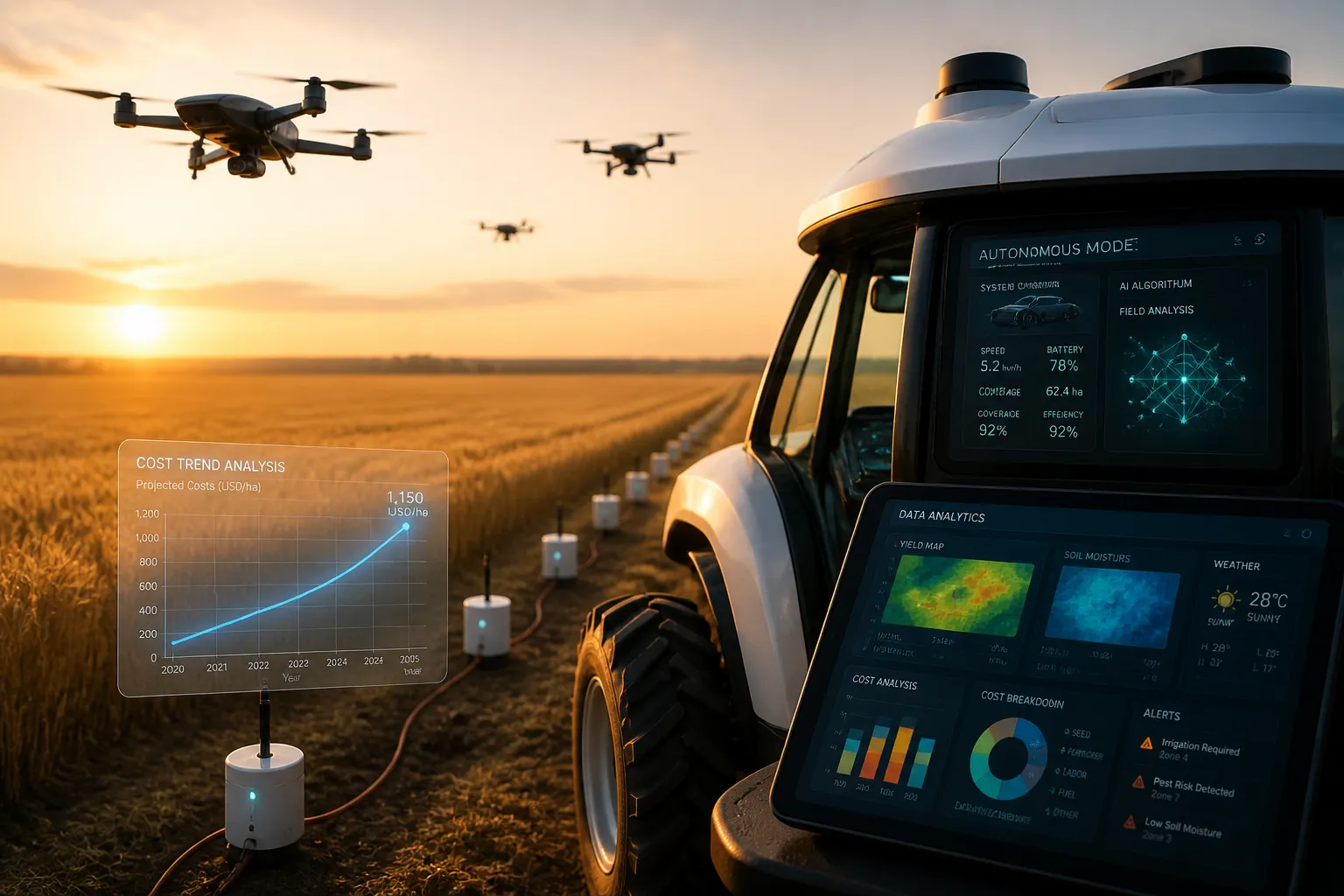
Farmers in the Americas are adopting AI faster than in other regions. The report highlights that AI uptake outpaces robotics, electric‑powered machines, and sustainability software—all of which have minimal penetration on the farm. Generative AI is now used for a spectrum of daily decisions, from crop planning to resource allocation.
Although the industry has endured low margins, the report points to early signs of a turnaround. Rising commodity prices, shifting trade flows, and an uptick in equipment orders are sparking cautious optimism that the prolonged downturn may be ending. The survey also identified a bright spot in biological crop inputs: more than half of specialty crop farmers now use at least one biological product as an alternative to chemical inputs.
McKinsey’s findings arrive at a time when global agriculture seeks ways to boost efficiency and sustainability. The firm suggests that generative AI could play a pivotal role in helping farmers navigate complex decision environments, especially as input costs remain volatile.
The data come from a biennial survey that has tracked farmer attitudes and technology adoption for several years. The 5,500 respondents represent a broad cross‑section of the industry, encompassing small‑scale and large‑scale operations across diverse crop and livestock systems.
In summary, the Global Farmer Insights 2026 report shows that generative AI is becoming a mainstream tool for farmers worldwide, driven by the need to manage higher costs and operational uncertainty. Adoption is strongest in the Americas, while other advanced technologies lag behind. Industry recovery signals—higher commodity prices, increased equipment orders, and a growing interest in biological inputs—suggest that technology adoption may continue to rise as farmers seek resilience and profitability.
The report underscores that while AI adoption is growing, many farmers remain cautious about overall spending. The next phase of the industry will likely involve deeper integration of AI tools, continued experimentation with biologicals, and a gradual shift toward more sustainable and data‑driven farming practices.
The Global Farmer Insights 2026 survey gathered responses from 5,500 farmers in ten countries between April and June, revealing that the uptake of generative AI is accelerating as growers seek high‑tech tools to counter a prolonged period of restrained spending. The report notes that a slump that began in 2021‑22 left farmers grappling with persistently high costs for labor, land, equipment, financing, and fertilizer.
Senior partner David Fiocco of McKinsey explained that elevated input costs, policy uncertainty, unpredictable weather, and labor shortages have rendered farm‑level decisions "harder and riskier." His analysis indicates these pressures caused a 24‑percentage‑point drop in overall spending intent for the year, with more than one‑third of growers cutting fertilizer first.
Farmers in the Americas are adopting AI faster than in other regions. The report highlights that AI uptake outpaces robotics, electric‑powered machines, and sustainability software—all of which have minimal penetration on the farm. Generative AI is now used for a spectrum of daily decisions, from crop planning to resource allocation.
Although the industry has endured low margins, the report points to early signs of a turnaround. Rising commodity prices, shifting trade flows, and an uptick in equipment orders are sparking cautious optimism that the prolonged downturn may be ending. The survey also identified a bright spot in biological crop inputs: more than half of specialty crop farmers now use at least one biological product as an alternative to chemical inputs.
McKinsey’s findings arrive at a time when global agriculture seeks ways to boost efficiency and sustainability. The firm suggests that generative AI could play a pivotal role in helping farmers navigate complex decision environments, especially as input costs remain volatile.
The data come from a biennial survey that has tracked farmer attitudes and technology adoption for several years. The 5,500 respondents represent a broad cross‑section of the industry, encompassing small‑scale and large‑scale operations across diverse crop and livestock systems.
In summary, the Global Farmer Insights 2026 report shows that generative AI is becoming a mainstream tool for farmers worldwide, driven by the need to manage higher costs and operational uncertainty. Adoption is strongest in the Americas, while other advanced technologies lag behind. Industry recovery signals—higher commodity prices, increased equipment orders, and a growing interest in biological inputs—suggest that technology adoption may continue to rise as farmers seek resilience and profitability.
The report underscores that while AI adoption is growing, many farmers remain cautious about overall spending. The next phase of the industry will likely involve deeper integration of AI tools, continued experimentation with biologicals, and a gradual shift toward more sustainable and data‑driven farming practices.





