Blab AI
Weld County Approves Global AIs 41-acre Data Center Near Windsor
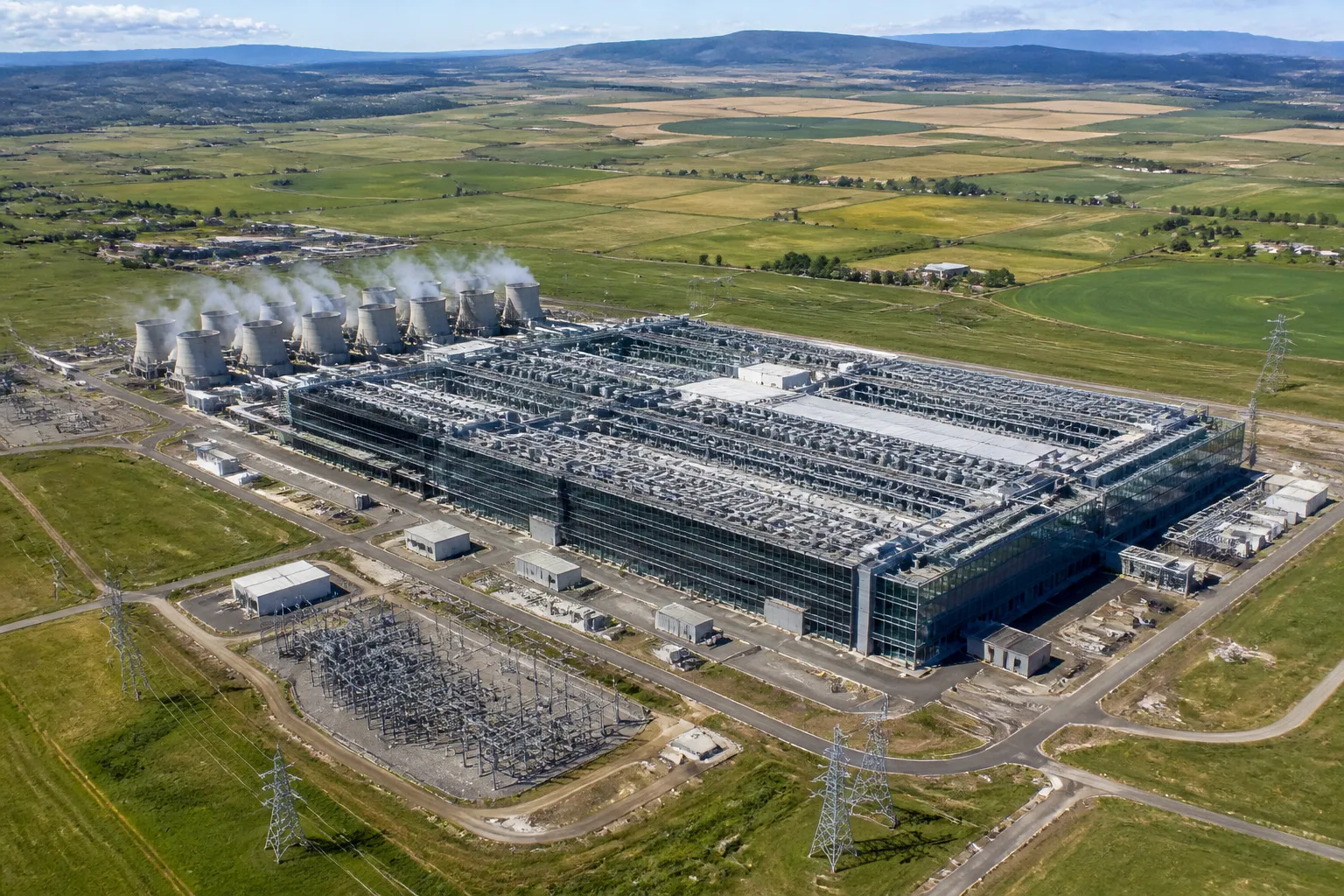
On September 10, 2026, Weld County’s Board of Commissioners gave the green light to Global AI’s ambitious 41‑acre data‑center proposal, marking a potential milestone for Colorado’s digital infrastructure. The unanimous 5‑0 vote lifted a project that sits on the former Carestream Health site at 2000 Howard Smith Avenue W, an unincorporated area just outside Windsor, and could become the state’s largest data center.
The decision followed a full‑day public hearing that drew more than 400 written comments, the vast majority of which expressed opposition. Residents and local groups cited the facility’s projected water and electricity consumption, potential environmental impacts, and noise levels as primary concerns. Planning Manager Angela Snyder told the commissioners that the county had received over 400 written comments and highlighted worries about the data center’s ability to meet its water and power needs.
Global AI has addressed the power issue by securing a 35‑megawatt (MW) commitment from the Poudre Valley Rural Electric Association (PVREA). The company’s first phase is expected to use 27.5 MW, and its website states an ambition to reach a total capacity of 1 gigawatt by 2029. The company presented a “will‑serve” letter to the commissioners to support the proposal.
The board’s approval hinged on the planning commission’s September 1 vote that the proposal met the county’s approval criteria. That decision enabled the commissioners to grant a “Use by Special Review” permit, a requirement for projects that have a larger impact on the community.
The county framed the decision as a proper reuse of the former Carestream Health site, which is already zoned for light industrial use. Global AI purchased the 438‑acre property for about $15.6 million last December. The site contains eight existing buildings that the company plans to repurpose.
Global AI’s chief operating officer, Michael Cadigan, said the first data hall could be operational later this year. He compared the site to the company’s complex in New York, noting that the infrastructure was already in place.
Permit conditions include a closed‑loop cooling system, an initial water fill of roughly 65,000 gallons with an annual top‑off of about 6,500 gallons, noise limits that keep operations at or below 65 decibels (except in emergencies that require generators), and a bond to cover decommissioning costs.
County chair Scott James emphasized the project’s economic upside, noting that Global AI estimates 1,500 construction jobs and 200 long‑term jobs for the county.
The approval comes amid a broader debate over data‑center expansion in Colorado. Several local governments have enacted moratoriums, and Colorado Springs is set to consider a major data‑center project in a hearing next week. The state legislature’s competing bills on the issue died a few months earlier.
Global AI has one operational data center in New York and three others under contract. The company says it will be friendly to aerospace and military applications, noting that AI is essential for those sectors.
The decision was not without opposition. Marc Savela, senior vice president of development at the Broe Real Estate Group, described the project as “incompatible with future development” and said the company had ignored planned residential development to the west of the site. Attorney Hugh Gottschalk of Windsor Renewal criticized the PVREA letter for not estimating or allocating the power needed, for committing only for three years, and for not describing how the power would be physically delivered.
The county’s planning commission had to conduct extensive research to address community concerns. Commissioner Lynette Peppler explained that she had visited the site and studied the impact on water use, electricity consumption, and noise levels.
In summary, Weld County has cleared the way for Global AI to build a 41‑acre data center that could become Colorado’s largest. The project will rely on a closed‑loop cooling system, a limited water supply, and a power commitment from PVREA. The county expects significant construction and long‑term employment benefits, while local residents remain concerned about environmental and infrastructure impacts.
The next steps for Global AI include finalizing the special‑review permit, securing the required bond, and beginning construction. The company plans to start operations later in 2026 and aims for full capacity by 2029.
The decision reflects a broader trend of data‑center expansion amid growing demand for AI infrastructure, but it also highlights the tension between economic development and local environmental concerns in Colorado’s rapidly growing counties.
The decision followed a full‑day public hearing that drew more than 400 written comments, the vast majority of which expressed opposition. Residents and local groups cited the facility’s projected water and electricity consumption, potential environmental impacts, and noise levels as primary concerns. Planning Manager Angela Snyder told the commissioners that the county had received over 400 written comments and highlighted worries about the data center’s ability to meet its water and power needs.
Global AI has addressed the power issue by securing a 35‑megawatt (MW) commitment from the Poudre Valley Rural Electric Association (PVREA). The company’s first phase is expected to use 27.5 MW, and its website states an ambition to reach a total capacity of 1 gigawatt by 2029. The company presented a “will‑serve” letter to the commissioners to support the proposal.
The board’s approval hinged on the planning commission’s September 1 vote that the proposal met the county’s approval criteria. That decision enabled the commissioners to grant a “Use by Special Review” permit, a requirement for projects that have a larger impact on the community.
The county framed the decision as a proper reuse of the former Carestream Health site, which is already zoned for light industrial use. Global AI purchased the 438‑acre property for about $15.6 million last December. The site contains eight existing buildings that the company plans to repurpose.
Global AI’s chief operating officer, Michael Cadigan, said the first data hall could be operational later this year. He compared the site to the company’s complex in New York, noting that the infrastructure was already in place.
Permit conditions include a closed‑loop cooling system, an initial water fill of roughly 65,000 gallons with an annual top‑off of about 6,500 gallons, noise limits that keep operations at or below 65 decibels (except in emergencies that require generators), and a bond to cover decommissioning costs.
County chair Scott James emphasized the project’s economic upside, noting that Global AI estimates 1,500 construction jobs and 200 long‑term jobs for the county.
The approval comes amid a broader debate over data‑center expansion in Colorado. Several local governments have enacted moratoriums, and Colorado Springs is set to consider a major data‑center project in a hearing next week. The state legislature’s competing bills on the issue died a few months earlier.
Global AI has one operational data center in New York and three others under contract. The company says it will be friendly to aerospace and military applications, noting that AI is essential for those sectors.
The decision was not without opposition. Marc Savela, senior vice president of development at the Broe Real Estate Group, described the project as “incompatible with future development” and said the company had ignored planned residential development to the west of the site. Attorney Hugh Gottschalk of Windsor Renewal criticized the PVREA letter for not estimating or allocating the power needed, for committing only for three years, and for not describing how the power would be physically delivered.
The county’s planning commission had to conduct extensive research to address community concerns. Commissioner Lynette Peppler explained that she had visited the site and studied the impact on water use, electricity consumption, and noise levels.
In summary, Weld County has cleared the way for Global AI to build a 41‑acre data center that could become Colorado’s largest. The project will rely on a closed‑loop cooling system, a limited water supply, and a power commitment from PVREA. The county expects significant construction and long‑term employment benefits, while local residents remain concerned about environmental and infrastructure impacts.
The next steps for Global AI include finalizing the special‑review permit, securing the required bond, and beginning construction. The company plans to start operations later in 2026 and aims for full capacity by 2029.
The decision reflects a broader trend of data‑center expansion amid growing demand for AI infrastructure, but it also highlights the tension between economic development and local environmental concerns in Colorado’s rapidly growing counties.





