Blab AI
California Passes Landmark AI, Data-Center, and Social-Media Bills Ahead of Governors Decision
On Monday, California lawmakers closed the 2026 legislative session with a volley of bills that could reshape how artificial intelligence, data‑center infrastructure, and social‑media platforms operate in the state. The measures, now on Governor Gavin Newsom’s desk, cover child‑safety requirements for AI chatbots, new electricity‑rate rules for hyperscale data centers, restrictions on addictive features for users under 16, and limits on AI‑powered workplace monitoring.
The most widely discussed bill, known as Adam’s Law, expands the 2025 requirement that chatbot operators disclose when users are interacting with AI. Co‑authored by Sen. Steve Padilla and Assemblymembers Rebecca Bauer‑Kahan and Buffy Wicks, the new law adds mandatory age verification, safety‑risk assessments before new or substantially modified companion chatbots are released, independent audits, and crisis‑support resources. Operators will also face liability for failing to prevent harmful outputs such as self‑harm content, sexually explicit material, romantic role‑playing, or emotionally manipulative behavior. Families gain a private right of redress for certain violations.
The bill is named after Adam Raine, a California teenager who died by suicide in 2025 after months of discussing his loneliness and self‑harm plans with ChatGPT. In a joint statement released after the bill’s passage, Maria Raine described the measure as “a serious and much‑needed step forward for AI companion chatbot safety.” OpenAI has expressed support for the legislation, saying it establishes “meaningful safeguards while preserving young people’s ability to use AI for learning, creativity and other purposes.”
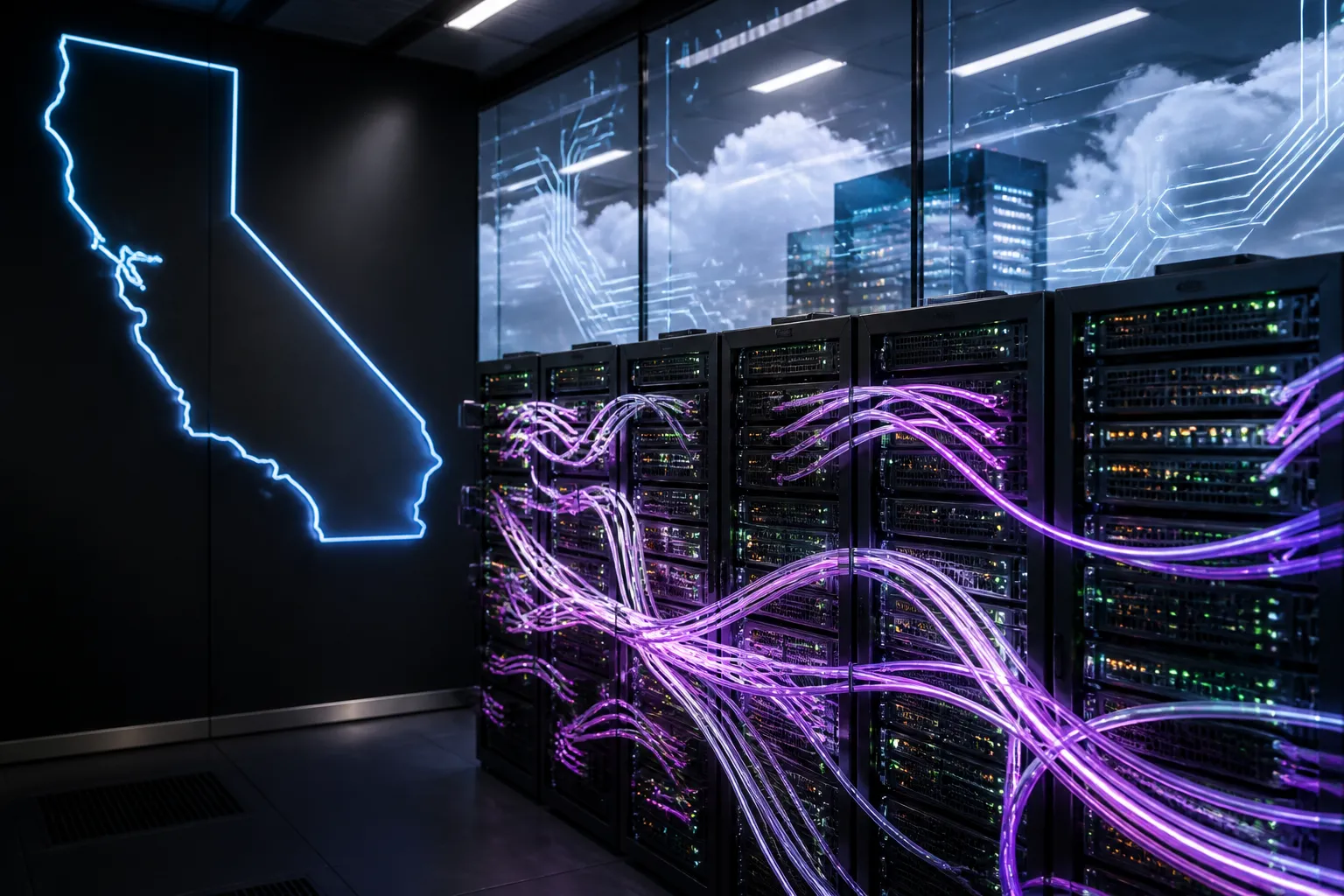
In the data‑center arena, Senate Bill 886 and Assembly Bill 2383 require the California Public Utilities Commission to create separate electricity rates and updated interconnection rules for data‑center operators. The bills aim to prevent the costs of new power generation and grid upgrades required to serve large data‑center facilities from being shifted onto other electricity customers. The legislation follows a 2026 Little Hoover Commission report that recommends tech companies and data‑center developers cover their own grid‑integration costs. Supporters, including the Utility Reform Network and the Union of Concerned Scientists, argue that the state’s high electricity rates and limited land make it essential that data‑center developers pay for the infrastructure they consume.
Opposition comes from the Data Center Coalition, which represents companies such as Google and Microsoft, and from PG&E, which warns that the new rate structure could increase costs for customers and delay necessary infrastructure upgrades. Earlier drafts of the bills had more prescriptive requirements, such as mandatory on‑site batteries and 100 % carbon‑free power by 2030, but those provisions were removed in favor of giving the CPUC until July 1, 2027, to establish the special tariffs.
A separate bill, Assembly Bill 1709, targets social‑media platforms that offer addictive features to users under 16. The measure would bar “covered platforms”—primarily user‑generated‑content sites—from using algorithmically driven feeds and other mechanisms that encourage prolonged use. It also creates an e‑Safety Advisory Commission within the Department of Justice to advise officials on online safety and report annually to the governor and legislature. Common Sense Media, Mothers Against Media Addiction, and the American Academy of Pediatrics support the bill, while the Electronic Frontier Foundation, Civil Justice Association of California, and NetChoice—representing Meta, Google, and Snap—oppose it on First Amendment and privacy grounds.
The final bill in the AI‑monitoring space, Assembly Bill 1883, prohibits employers from using AI tools that collect neural data or infer an employee’s emotional state. The measure allows civil penalties of up to $500 per violation and is supported by labor unions and the Privacy Rights Clearinghouse. Business groups, including the American Petroleum and Convenience Store Association and the Wine Institute, have opposed the bill.
Governor Newsom has indicated that he has been working with lawmakers on the data‑center bills and that the final versions “landed fairly well.” He has also stated that companies, rather than other electricity customers, should bear the costs associated with data‑center investments. While he has not yet announced a decision, his comments suggest a higher likelihood of signing the bills than earlier in the year.
The bills now face a 30‑day window before the governor can sign or veto them. If signed, California would become the first state to impose comprehensive safety requirements for AI chatbots used by children, establish dedicated electricity rates for data‑center operators, restrict addictive social‑media features for minors, and limit invasive AI workplace monitoring. The measures could influence national policy debates and set precedents for other states grappling with the rapid expansion of AI and data‑center infrastructure.
The most widely discussed bill, known as Adam’s Law, expands the 2025 requirement that chatbot operators disclose when users are interacting with AI. Co‑authored by Sen. Steve Padilla and Assemblymembers Rebecca Bauer‑Kahan and Buffy Wicks, the new law adds mandatory age verification, safety‑risk assessments before new or substantially modified companion chatbots are released, independent audits, and crisis‑support resources. Operators will also face liability for failing to prevent harmful outputs such as self‑harm content, sexually explicit material, romantic role‑playing, or emotionally manipulative behavior. Families gain a private right of redress for certain violations.
The bill is named after Adam Raine, a California teenager who died by suicide in 2025 after months of discussing his loneliness and self‑harm plans with ChatGPT. In a joint statement released after the bill’s passage, Maria Raine described the measure as “a serious and much‑needed step forward for AI companion chatbot safety.” OpenAI has expressed support for the legislation, saying it establishes “meaningful safeguards while preserving young people’s ability to use AI for learning, creativity and other purposes.”
In the data‑center arena, Senate Bill 886 and Assembly Bill 2383 require the California Public Utilities Commission to create separate electricity rates and updated interconnection rules for data‑center operators. The bills aim to prevent the costs of new power generation and grid upgrades required to serve large data‑center facilities from being shifted onto other electricity customers. The legislation follows a 2026 Little Hoover Commission report that recommends tech companies and data‑center developers cover their own grid‑integration costs. Supporters, including the Utility Reform Network and the Union of Concerned Scientists, argue that the state’s high electricity rates and limited land make it essential that data‑center developers pay for the infrastructure they consume.
Opposition comes from the Data Center Coalition, which represents companies such as Google and Microsoft, and from PG&E, which warns that the new rate structure could increase costs for customers and delay necessary infrastructure upgrades. Earlier drafts of the bills had more prescriptive requirements, such as mandatory on‑site batteries and 100 % carbon‑free power by 2030, but those provisions were removed in favor of giving the CPUC until July 1, 2027, to establish the special tariffs.
A separate bill, Assembly Bill 1709, targets social‑media platforms that offer addictive features to users under 16. The measure would bar “covered platforms”—primarily user‑generated‑content sites—from using algorithmically driven feeds and other mechanisms that encourage prolonged use. It also creates an e‑Safety Advisory Commission within the Department of Justice to advise officials on online safety and report annually to the governor and legislature. Common Sense Media, Mothers Against Media Addiction, and the American Academy of Pediatrics support the bill, while the Electronic Frontier Foundation, Civil Justice Association of California, and NetChoice—representing Meta, Google, and Snap—oppose it on First Amendment and privacy grounds.
The final bill in the AI‑monitoring space, Assembly Bill 1883, prohibits employers from using AI tools that collect neural data or infer an employee’s emotional state. The measure allows civil penalties of up to $500 per violation and is supported by labor unions and the Privacy Rights Clearinghouse. Business groups, including the American Petroleum and Convenience Store Association and the Wine Institute, have opposed the bill.
Governor Newsom has indicated that he has been working with lawmakers on the data‑center bills and that the final versions “landed fairly well.” He has also stated that companies, rather than other electricity customers, should bear the costs associated with data‑center investments. While he has not yet announced a decision, his comments suggest a higher likelihood of signing the bills than earlier in the year.
The bills now face a 30‑day window before the governor can sign or veto them. If signed, California would become the first state to impose comprehensive safety requirements for AI chatbots used by children, establish dedicated electricity rates for data‑center operators, restrict addictive social‑media features for minors, and limit invasive AI workplace monitoring. The measures could influence national policy debates and set precedents for other states grappling with the rapid expansion of AI and data‑center infrastructure.





