Blab AI
TriHealth Deploys AI-Powered Monitoring to Enhance Patient Safety and Diagnostic Accuracy
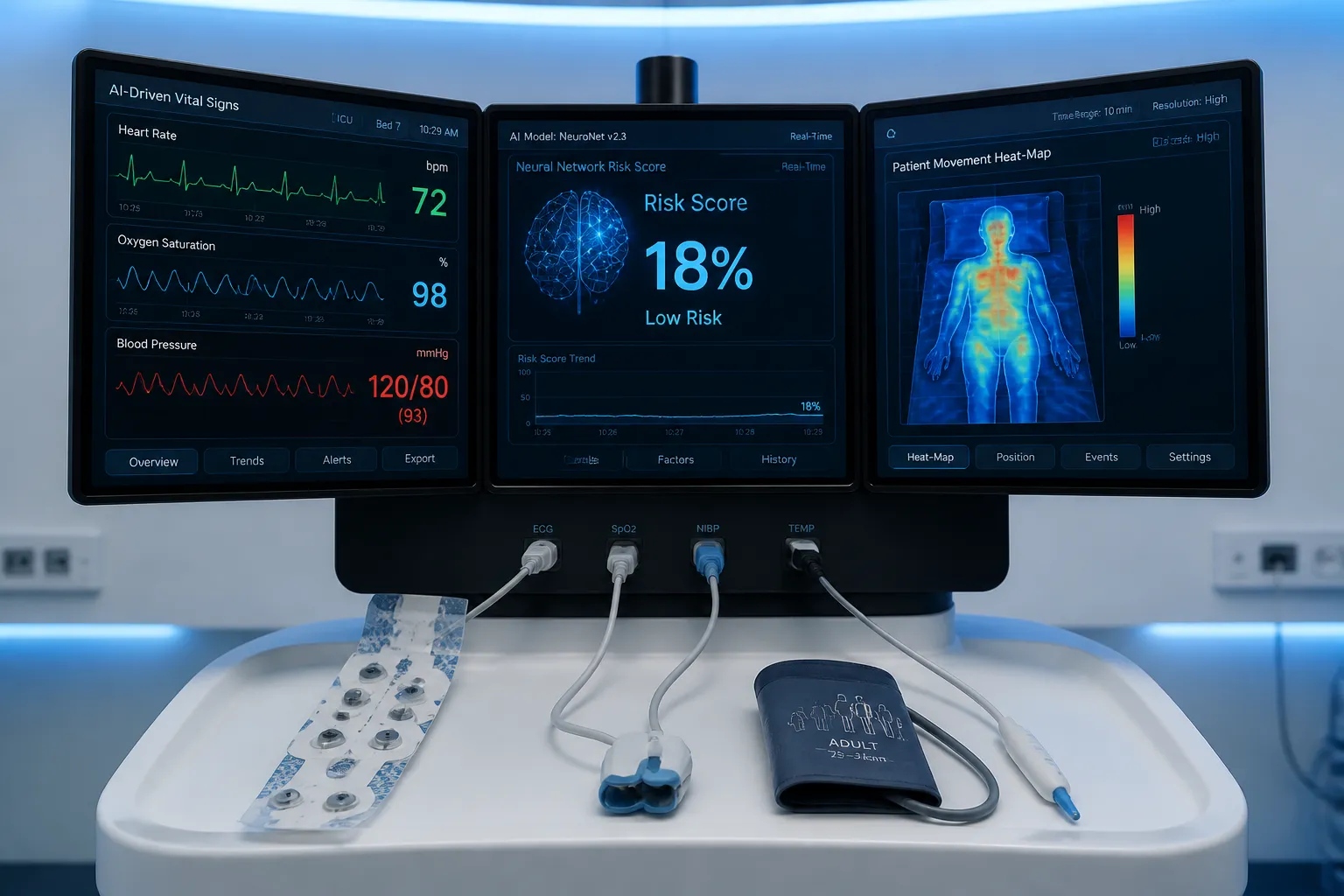
In a quiet hallway at one of its Cincinnati campuses, a small white device has begun watching over patients. The unit—mounted in select rooms—uses discreet cameras to track movement and streams data to a central hub that notifies nurses the moment a patient’s activity signals a potential problem.
TriHealth’s CEO, Terri Hanlon‑Bremer, explained that the system lets staff “see what the patient is doing” in real time, allowing them to intervene before a fall or other incident occurs. She said the goal is to reduce repetitive tasks and give nurses more time for direct patient care.
The same AI technology is already reshaping the system’s imaging departments. CIO Donna Peters noted that the sheer volume of scans produced by modern scanners makes it hard for radiologists to review every slice. AI algorithms flag abnormal areas, bringing them to the front of the review list so physicians can focus on potential issues. Peters said this capability is already showing significant potential in medical imaging.
The monitoring system exemplifies AI’s shift from reactive to preventive care. Sensors, cameras, and other smart devices provide real‑time information about patient activity, so if a patient attempts to get out of bed the system can alert staff before a fall occurs. This approach helps address workforce pressures in a healthcare environment with growing demand.
Privacy concerns accompany the deployment of cameras and AI. Hanlon‑Bremer emphasized that TriHealth operates under HIPAA regulations and that protecting patient information is a priority. She stated that the system is designed so that no technology can be implemented without ensuring patient privacy.
Beyond monitoring, AI assists in cancer detection. Hanlon‑Bremer said the technology helps identify cancers that patients may not know they have and assists radiologists when reviewing multiple scans, automatically highlighting abnormal spots for further examination.
TriHealth’s investment in AI infrastructure has spanned three years, according to Peters. The focus has been on building the computing and data capabilities needed to support AI applications across the organization.
While the article does not provide specific performance metrics, it highlights that AI is being used to improve diagnostic accuracy, reduce the workload on clinical staff, and enhance patient safety. TriHealth’s approach illustrates how AI can be integrated into existing hospital systems while maintaining compliance with privacy regulations.
The company’s strategy also includes plans for future expansion. Hanlon‑Bremer suggested that in five years the system could include agentic AI agents that handle routine tasks, allowing human workers to focus on tasks that require human judgment.
In summary, TriHealth’s deployment of AI‑powered monitoring devices and imaging support reflects a broader trend of integrating AI into patient care. The system aims to improve safety by preventing falls, enhance diagnostic workflows by flagging abnormal imaging findings, and support staff efficiency while adhering to HIPAA privacy requirements. The health system continues to monitor the impact of these technologies and plans further expansion as AI capabilities evolve.
TriHealth’s CEO, Terri Hanlon‑Bremer, explained that the system lets staff “see what the patient is doing” in real time, allowing them to intervene before a fall or other incident occurs. She said the goal is to reduce repetitive tasks and give nurses more time for direct patient care.
The same AI technology is already reshaping the system’s imaging departments. CIO Donna Peters noted that the sheer volume of scans produced by modern scanners makes it hard for radiologists to review every slice. AI algorithms flag abnormal areas, bringing them to the front of the review list so physicians can focus on potential issues. Peters said this capability is already showing significant potential in medical imaging.
The monitoring system exemplifies AI’s shift from reactive to preventive care. Sensors, cameras, and other smart devices provide real‑time information about patient activity, so if a patient attempts to get out of bed the system can alert staff before a fall occurs. This approach helps address workforce pressures in a healthcare environment with growing demand.
Privacy concerns accompany the deployment of cameras and AI. Hanlon‑Bremer emphasized that TriHealth operates under HIPAA regulations and that protecting patient information is a priority. She stated that the system is designed so that no technology can be implemented without ensuring patient privacy.
Beyond monitoring, AI assists in cancer detection. Hanlon‑Bremer said the technology helps identify cancers that patients may not know they have and assists radiologists when reviewing multiple scans, automatically highlighting abnormal spots for further examination.
TriHealth’s investment in AI infrastructure has spanned three years, according to Peters. The focus has been on building the computing and data capabilities needed to support AI applications across the organization.
While the article does not provide specific performance metrics, it highlights that AI is being used to improve diagnostic accuracy, reduce the workload on clinical staff, and enhance patient safety. TriHealth’s approach illustrates how AI can be integrated into existing hospital systems while maintaining compliance with privacy regulations.
The company’s strategy also includes plans for future expansion. Hanlon‑Bremer suggested that in five years the system could include agentic AI agents that handle routine tasks, allowing human workers to focus on tasks that require human judgment.
In summary, TriHealth’s deployment of AI‑powered monitoring devices and imaging support reflects a broader trend of integrating AI into patient care. The system aims to improve safety by preventing falls, enhance diagnostic workflows by flagging abnormal imaging findings, and support staff efficiency while adhering to HIPAA privacy requirements. The health system continues to monitor the impact of these technologies and plans further expansion as AI capabilities evolve.





