Blab AI
SEBI Deploys AI Tools to Curb Misleading Finfluencer Advice
When a recent investor survey found that 62 % of retail investors in India are influenced by unregulated “finfluencers,” the Securities and Exchange Board of India (SEBI) decided to turn to artificial intelligence for protection.
In its annual report, SEBI described market data as a “second layer of market infrastructure,” underscoring that the quality, integrity, and governance of that data are now central to investor protection. The regulator said it has invested in technology and data analytics as core supervisory tools so that the investor‑protection framework can scale with market growth.
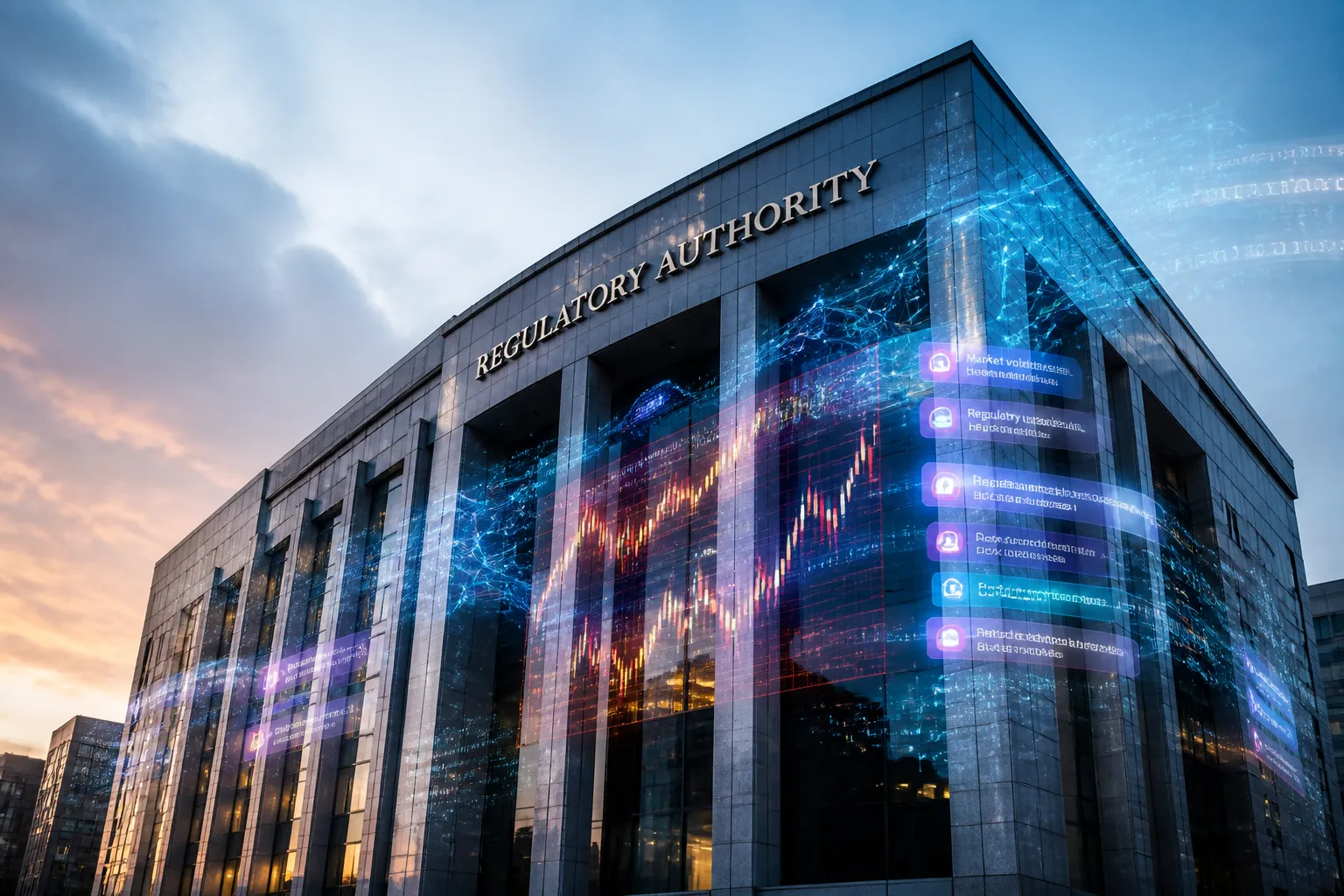
Project Sudarsan, SEBI’s new AI‑powered platform, scans videos, images, messages, and advertisements on social‑media platforms for unsolicited financial advice. Launched in November 2025, the system has already flagged more than 20,000 posts that contain potentially fraudulent or misleading content and has led to the removal of more than 1.2 lakh such posts posted by unregistered finfluencers.
Alongside Sudarsan, SEBI introduced R(AI)DAR, an AI‑enabled system that reviews advertisements issued by market participants. The platform helps identify promotional content that may violate SEBI’s code of conduct for advertising.
SEBI’s digital‑vigilance effort also covers payment verification and trading‑app authenticity. The regulator rolled out Validated UPI handles and a Sebi Check facility that allow investors to verify in real time whether a payment is directed to a genuine SEBI‑registered intermediary. In partnership with Google Play, SEBI launched a verified‑app label initiative that gives investors a visible signal that a stock‑trading app belongs to a SEBI‑registered broker, aiming to curb fake trading apps, fraudulent payment requests, and impersonation of registered intermediaries.
SEBI chairman Tuhin Kanta Pandey said the regulator’s action against finfluencers is not a heavy‑handed crackdown but a calibrated exercise aimed at identifying problem areas and dealing with them. He described the approach as “more like a surgeon’s knife—identifying problem areas and dealing with them.” Pandey also noted that the rise in retail participation since the pandemic has increased exposure to high‑risk areas such as options trading, and that several retail investors were being lured into derivatives markets by claims of large profits.
The AI tools are part of SEBI’s broader strategy to strengthen market integrity in an era of rapid digitalisation. By automating the detection of misleading content, the regulator hopes to reduce the influence of unverified financial advice on investment decisions. The initiative also aligns with SEBI’s commitment to protect investors from fraud and to promote a fair, transparent, and efficient securities market.
At present, SEBI continues to monitor the effectiveness of Project Sudarsan and R(AI)DAR and to refine its verification mechanisms for payments and apps. The regulator has not announced a timetable for further expansions of the AI platform, but it has indicated that additional measures may be introduced as the digital ecosystem evolves. The key unresolved question remains how effectively the AI systems can keep pace with the rapidly changing tactics of finfluencers and the growing volume of social‑media content.
In summary, SEBI’s deployment of AI‑driven surveillance tools marks a significant step toward safeguarding investors from misleading financial advice online. The regulator’s focus on data integrity, payment verification, and app authenticity reflects a comprehensive approach to investor protection in the digital age.
In its annual report, SEBI described market data as a “second layer of market infrastructure,” underscoring that the quality, integrity, and governance of that data are now central to investor protection. The regulator said it has invested in technology and data analytics as core supervisory tools so that the investor‑protection framework can scale with market growth.
Project Sudarsan, SEBI’s new AI‑powered platform, scans videos, images, messages, and advertisements on social‑media platforms for unsolicited financial advice. Launched in November 2025, the system has already flagged more than 20,000 posts that contain potentially fraudulent or misleading content and has led to the removal of more than 1.2 lakh such posts posted by unregistered finfluencers.
Alongside Sudarsan, SEBI introduced R(AI)DAR, an AI‑enabled system that reviews advertisements issued by market participants. The platform helps identify promotional content that may violate SEBI’s code of conduct for advertising.
SEBI’s digital‑vigilance effort also covers payment verification and trading‑app authenticity. The regulator rolled out Validated UPI handles and a Sebi Check facility that allow investors to verify in real time whether a payment is directed to a genuine SEBI‑registered intermediary. In partnership with Google Play, SEBI launched a verified‑app label initiative that gives investors a visible signal that a stock‑trading app belongs to a SEBI‑registered broker, aiming to curb fake trading apps, fraudulent payment requests, and impersonation of registered intermediaries.
SEBI chairman Tuhin Kanta Pandey said the regulator’s action against finfluencers is not a heavy‑handed crackdown but a calibrated exercise aimed at identifying problem areas and dealing with them. He described the approach as “more like a surgeon’s knife—identifying problem areas and dealing with them.” Pandey also noted that the rise in retail participation since the pandemic has increased exposure to high‑risk areas such as options trading, and that several retail investors were being lured into derivatives markets by claims of large profits.
The AI tools are part of SEBI’s broader strategy to strengthen market integrity in an era of rapid digitalisation. By automating the detection of misleading content, the regulator hopes to reduce the influence of unverified financial advice on investment decisions. The initiative also aligns with SEBI’s commitment to protect investors from fraud and to promote a fair, transparent, and efficient securities market.
At present, SEBI continues to monitor the effectiveness of Project Sudarsan and R(AI)DAR and to refine its verification mechanisms for payments and apps. The regulator has not announced a timetable for further expansions of the AI platform, but it has indicated that additional measures may be introduced as the digital ecosystem evolves. The key unresolved question remains how effectively the AI systems can keep pace with the rapidly changing tactics of finfluencers and the growing volume of social‑media content.
In summary, SEBI’s deployment of AI‑driven surveillance tools marks a significant step toward safeguarding investors from misleading financial advice online. The regulator’s focus on data integrity, payment verification, and app authenticity reflects a comprehensive approach to investor protection in the digital age.





