Blab AI
Texas Senate Race: Paxton Campaign Uses AI-Generated Deepfake Ad Based on 1964 Johnson Spot
In a move that feels like a throwback to the Cold War era, the campaign for Texas Attorney General Ken Paxton has released a political advertisement that rewrites the 1964 Lyndon B. Johnson “daisy” spot with a modern, unsettling twist.
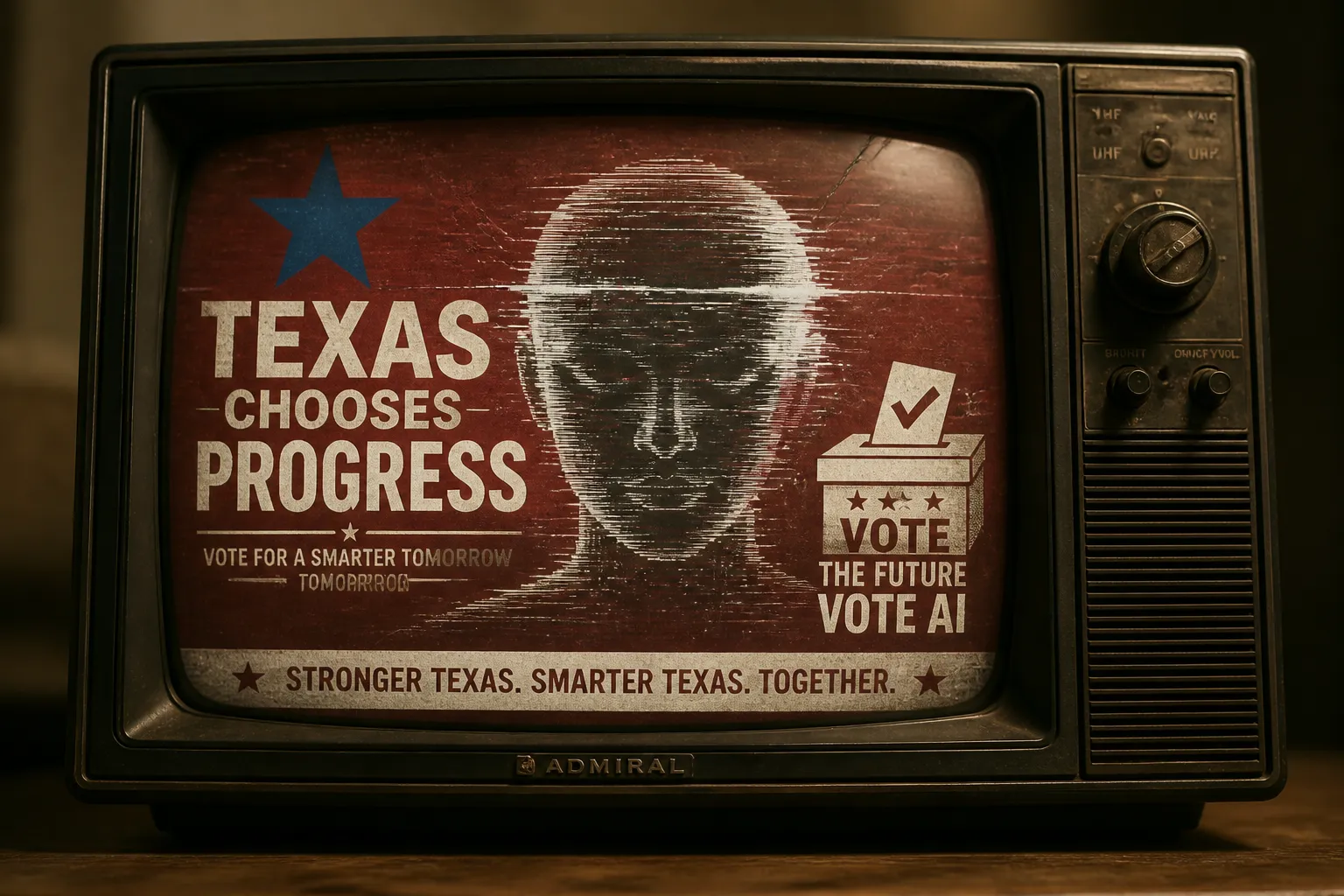
The new ad, produced by the American Principles Project (APP), shows a three‑year‑old girl lying on an operating table, her face illuminated by a surgical light. The scene is overlaid with an AI rendering of Texas Representative James Talarico, who is portrayed as the target of the so‑called “trans‑gender medical system.” A narrator claims the child is being lured into puberty blockers, hormones, and surgery, framing the treatment as a predatory threat.
This creative is part of a $10 million media buy by the Super PAC backing Paxton’s 2026 U.S. Senate bid. Paxton’s campaign has a history of attacking Talarico’s support for transgender youth. In June, an AI‑generated spot showed Talarico dancing in a dress while singing a parody of “My Favorite Things” that mocked hormone therapy for girls. During his runoff victory speech, Paxton even labeled Talarico’s stance as “weird.”
Talarico’s team has called the new ad a lie. The campaign said the AI rendering is fabricated and that the ad misrepresents his positions. Talarico has publicly defended gender‑affirming care for minors and has opposed legislation that would ban such care.
APP, founded in 2009, has long promoted anti‑transgender legislation. Its president, Terry Schilling, has said the organization is beginning with children because that is “where the consensus is.” The group’s recent activities include filing amicus briefs in Supreme Court cases that uphold bans on transgender procedures for minors.
The original 1964 Johnson ad was a single 60‑second spot that aired once but was seen by an estimated 100 million viewers. It used a simple narrative: a child counting petals on a daisy, followed by a countdown and a nuclear explosion. The ad was designed to make voters fear a nuclear threat from Johnson’s opponent, Barry Goldwater.
Schilling and his allies appear to be using the same fear‑based strategy, but with a manufactured threat. According to the article, the AI deepfake shows a child on an operating table, a scenario that is not grounded in any real medical practice. The ad’s narrative relies on the idea that the trans medical system preys on confused children.
Past attempts to remix the daisy ad have not been successful. In 1996, a version of the ad that focused on teenage drug use failed to resonate, and the campaign that used it lost. In 2016, Hillary Clinton’s campaign produced a new ad featuring the original actress, but the campaign also lost.
The use of deepfakes in political advertising is growing. As of 2026, no federal law specifically restricts AI‑generated content in political ads. Twenty‑eight states have passed legislation that requires disclosure of deepfakes, but the rules vary.
The Paxton campaign’s use of a deepfake raises questions about transparency and the potential for misinformation. The ad’s creators have not disclosed that the content is AI‑generated, and the campaign has not provided evidence that the depicted scenario reflects any real medical practice.
The Texas Senate race is a high‑profile contest. Paxton, who has been the state’s attorney general since 2015, won the Republican nomination in a runoff against incumbent Senator John Cornyn. Talarico, a state representative since 2018, is the Democratic nominee.
The political debate over transgender rights remains a key issue in the race. Talarico’s record shows consistent support for gender‑affirming care, while Paxton’s campaign has repeatedly attacked that stance. The deepfake ad is part of a broader strategy to influence voters by framing the issue as a threat to children.
The current situation is that the Paxton campaign has released the deepfake ad, and Talarico’s campaign has publicly denounced it as false. No regulatory action has been taken against the ad, and no federal law prohibits the use of deepfakes in political advertising. The debate over the ad’s ethics and accuracy continues as the 2026 election approaches.
The new ad, produced by the American Principles Project (APP), shows a three‑year‑old girl lying on an operating table, her face illuminated by a surgical light. The scene is overlaid with an AI rendering of Texas Representative James Talarico, who is portrayed as the target of the so‑called “trans‑gender medical system.” A narrator claims the child is being lured into puberty blockers, hormones, and surgery, framing the treatment as a predatory threat.
This creative is part of a $10 million media buy by the Super PAC backing Paxton’s 2026 U.S. Senate bid. Paxton’s campaign has a history of attacking Talarico’s support for transgender youth. In June, an AI‑generated spot showed Talarico dancing in a dress while singing a parody of “My Favorite Things” that mocked hormone therapy for girls. During his runoff victory speech, Paxton even labeled Talarico’s stance as “weird.”
Talarico’s team has called the new ad a lie. The campaign said the AI rendering is fabricated and that the ad misrepresents his positions. Talarico has publicly defended gender‑affirming care for minors and has opposed legislation that would ban such care.
APP, founded in 2009, has long promoted anti‑transgender legislation. Its president, Terry Schilling, has said the organization is beginning with children because that is “where the consensus is.” The group’s recent activities include filing amicus briefs in Supreme Court cases that uphold bans on transgender procedures for minors.
The original 1964 Johnson ad was a single 60‑second spot that aired once but was seen by an estimated 100 million viewers. It used a simple narrative: a child counting petals on a daisy, followed by a countdown and a nuclear explosion. The ad was designed to make voters fear a nuclear threat from Johnson’s opponent, Barry Goldwater.
Schilling and his allies appear to be using the same fear‑based strategy, but with a manufactured threat. According to the article, the AI deepfake shows a child on an operating table, a scenario that is not grounded in any real medical practice. The ad’s narrative relies on the idea that the trans medical system preys on confused children.
Past attempts to remix the daisy ad have not been successful. In 1996, a version of the ad that focused on teenage drug use failed to resonate, and the campaign that used it lost. In 2016, Hillary Clinton’s campaign produced a new ad featuring the original actress, but the campaign also lost.
The use of deepfakes in political advertising is growing. As of 2026, no federal law specifically restricts AI‑generated content in political ads. Twenty‑eight states have passed legislation that requires disclosure of deepfakes, but the rules vary.
The Paxton campaign’s use of a deepfake raises questions about transparency and the potential for misinformation. The ad’s creators have not disclosed that the content is AI‑generated, and the campaign has not provided evidence that the depicted scenario reflects any real medical practice.
The Texas Senate race is a high‑profile contest. Paxton, who has been the state’s attorney general since 2015, won the Republican nomination in a runoff against incumbent Senator John Cornyn. Talarico, a state representative since 2018, is the Democratic nominee.
The political debate over transgender rights remains a key issue in the race. Talarico’s record shows consistent support for gender‑affirming care, while Paxton’s campaign has repeatedly attacked that stance. The deepfake ad is part of a broader strategy to influence voters by framing the issue as a threat to children.
The current situation is that the Paxton campaign has released the deepfake ad, and Talarico’s campaign has publicly denounced it as false. No regulatory action has been taken against the ad, and no federal law prohibits the use of deepfakes in political advertising. The debate over the ad’s ethics and accuracy continues as the 2026 election approaches.





