Blab AI
Amazon Plans Texas Power Plant That Could Become U.S. Largest Single CO Source
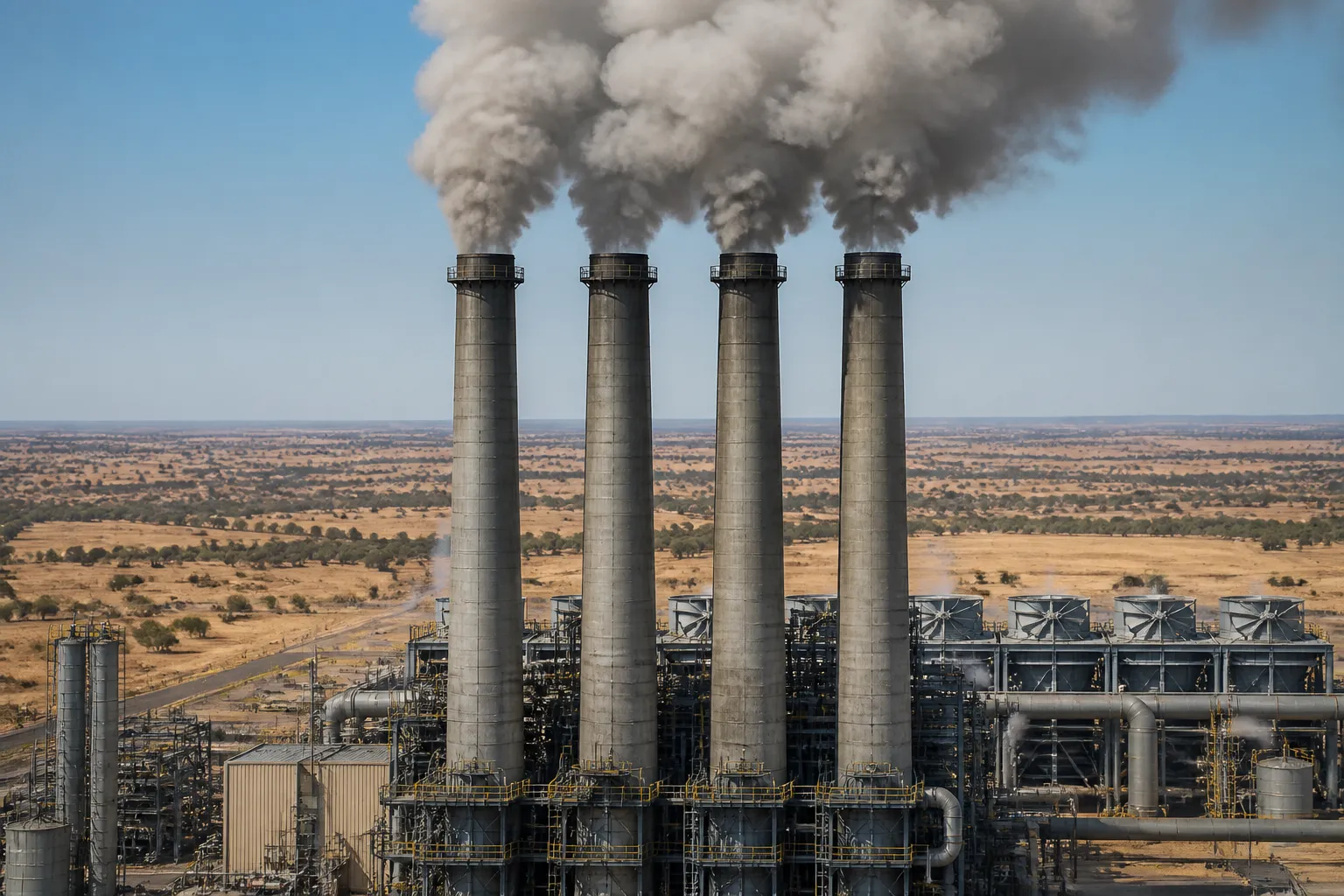
Amazon has announced plans to build a 35‑turbine natural‑gas‑fired power plant in Pecos County, Texas, to supply electricity for a new artificial‑intelligence data center. The project, which has received permits for a 7.65‑GW facility, would emit roughly 33 million tons of carbon dioxide each year, according to the New York Times. That level of emissions would place the plant among the largest single sources of CO₂ in the United States.
The data center is part of Amazon’s broader strategy to expand its cloud‑computing footprint. Amazon’s data‑center operations are known for high energy consumption, and the company has previously faced criticism for the environmental impact of its facilities. In 2019, Amazon co‑founded The Climate Pledge, a commitment to achieve net‑zero carbon emissions by 2040. The new plant would appear to conflict with that pledge, as the projected emissions are far above the company’s current annual corporate footprint.
Amazon’s spokesperson told the New York Times that “things change over time.” The statement was made in the context of the company’s evolving approach to sustainability and its continued investment in large‑scale infrastructure. No further details were provided about how Amazon plans to reconcile the new plant’s emissions with its climate‑pledge commitments.
The Pecos County site is already under development by a local developer. Amazon has acquired the land and is coordinating the construction of the power plant with the data‑center project. The plant’s on‑site generation is intended to reduce reliance on the local electric grid, which can mitigate the impact on nearby residents’ utility bills. However, the plant’s carbon output remains a significant environmental concern.
Texas authorities have expressed pushback on large data‑center projects, citing potential strain on local infrastructure and environmental impacts. The state’s recent regulatory actions have aimed to limit the growth of data‑center facilities in the region. Despite this, Amazon’s project appears to be moving forward.
Industry observers note that AI data centers consume vast amounts of electricity, and their power needs often drive the construction of new generation capacity. The Amazon plant’s 33 million‑ton CO₂ figure would make it one of the largest single emitters in the country, surpassing many existing coal‑ and gas‑powered facilities.
Amazon’s own sustainability reports indicate that its corporate emissions increased by 16 % in the previous year, a trend that contrasts with the company’s net‑zero pledge. The data‑center expansion is part of Amazon’s broader AI strategy, which includes the deployment of large language models and other machine‑learning workloads.
The project has attracted attention from environmental groups and policy analysts who are monitoring the balance between technological growth and climate goals. The plant’s construction also raises questions about the future of fossil‑fuel‑based generation in the face of increasing renewable capacity and the push for decarbonization.
As of now, Amazon has not disclosed a timeline for the plant’s completion or the data‑center’s operational start date. The company’s public statements focus on the technical feasibility and the expected benefits for its AI services.
The Pecos County plant will be the first major natural‑gas‑fired facility of its size in the region. Its construction will likely involve significant capital investment and will be subject to federal and state environmental review processes. The project’s environmental impact will be closely watched by regulators, local stakeholders, and the broader AI and sustainability communities.
In summary, Amazon’s planned Texas power plant represents a substantial increase in the company’s carbon footprint, potentially making it the largest single CO₂ source in the United States. The project underscores the tension between Amazon’s AI expansion plans and its climate‑pledge commitments, and it will be a focal point for discussions on the environmental costs of large‑scale data‑center infrastructure.
The data center is part of Amazon’s broader strategy to expand its cloud‑computing footprint. Amazon’s data‑center operations are known for high energy consumption, and the company has previously faced criticism for the environmental impact of its facilities. In 2019, Amazon co‑founded The Climate Pledge, a commitment to achieve net‑zero carbon emissions by 2040. The new plant would appear to conflict with that pledge, as the projected emissions are far above the company’s current annual corporate footprint.
Amazon’s spokesperson told the New York Times that “things change over time.” The statement was made in the context of the company’s evolving approach to sustainability and its continued investment in large‑scale infrastructure. No further details were provided about how Amazon plans to reconcile the new plant’s emissions with its climate‑pledge commitments.
The Pecos County site is already under development by a local developer. Amazon has acquired the land and is coordinating the construction of the power plant with the data‑center project. The plant’s on‑site generation is intended to reduce reliance on the local electric grid, which can mitigate the impact on nearby residents’ utility bills. However, the plant’s carbon output remains a significant environmental concern.
Texas authorities have expressed pushback on large data‑center projects, citing potential strain on local infrastructure and environmental impacts. The state’s recent regulatory actions have aimed to limit the growth of data‑center facilities in the region. Despite this, Amazon’s project appears to be moving forward.
Industry observers note that AI data centers consume vast amounts of electricity, and their power needs often drive the construction of new generation capacity. The Amazon plant’s 33 million‑ton CO₂ figure would make it one of the largest single emitters in the country, surpassing many existing coal‑ and gas‑powered facilities.
Amazon’s own sustainability reports indicate that its corporate emissions increased by 16 % in the previous year, a trend that contrasts with the company’s net‑zero pledge. The data‑center expansion is part of Amazon’s broader AI strategy, which includes the deployment of large language models and other machine‑learning workloads.
The project has attracted attention from environmental groups and policy analysts who are monitoring the balance between technological growth and climate goals. The plant’s construction also raises questions about the future of fossil‑fuel‑based generation in the face of increasing renewable capacity and the push for decarbonization.
As of now, Amazon has not disclosed a timeline for the plant’s completion or the data‑center’s operational start date. The company’s public statements focus on the technical feasibility and the expected benefits for its AI services.
The Pecos County plant will be the first major natural‑gas‑fired facility of its size in the region. Its construction will likely involve significant capital investment and will be subject to federal and state environmental review processes. The project’s environmental impact will be closely watched by regulators, local stakeholders, and the broader AI and sustainability communities.
In summary, Amazon’s planned Texas power plant represents a substantial increase in the company’s carbon footprint, potentially making it the largest single CO₂ source in the United States. The project underscores the tension between Amazon’s AI expansion plans and its climate‑pledge commitments, and it will be a focal point for discussions on the environmental costs of large‑scale data‑center infrastructure.





