Blab AI
Kolon Industries and University of Seoul Forge AI-Driven Materials R&D Partnership
Kolon Industries, a Korean chemical and textile manufacturer, announced on Tuesday that it has signed a memorandum of understanding (MOU) with the University of Seoul to collaborate on artificial intelligence (AI)‑integrated research and development of advanced materials. The agreement, which was formalized on June 12, 2026, aims to combine Kolon’s expertise in high‑performance chemical materials with the university’s capabilities in deep learning and machine intelligence.
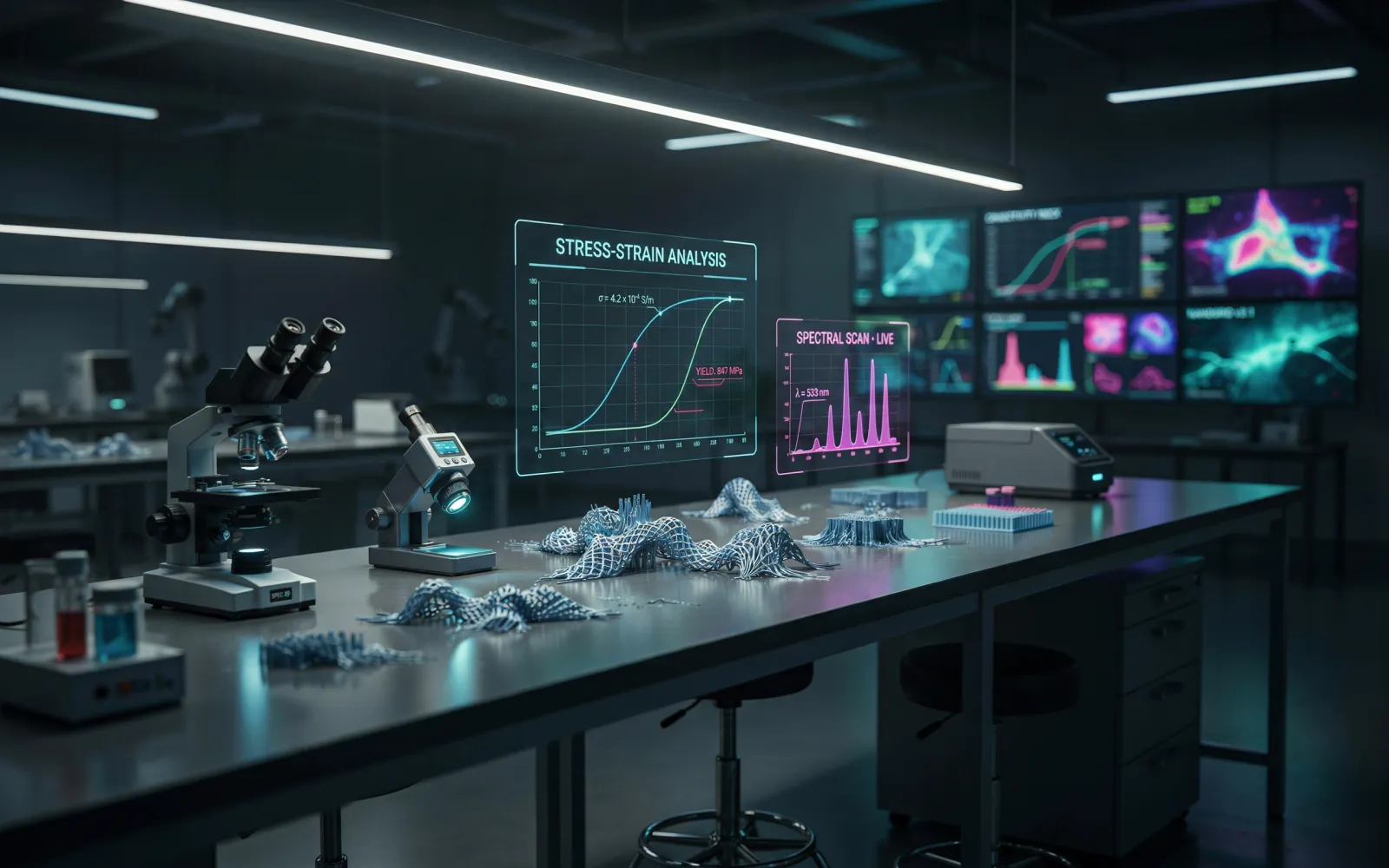
The partnership will focus on accelerating what Kolon calls “AX,” or AI transformation, across its new materials development process. Under the MOU, the two organizations will establish a joint research system, share research facilities and technical information, and work together to develop industry‑ready talent with expertise in both materials science and AI. Kolon has already been applying AI in several R&D functions, including literature research, data analysis, and the development of material simulation and predictive models. The company expects the collaboration to speed the creation of next‑generation materials and strengthen its long‑term competitiveness.
In a statement, Huh Sung, CEO of Kolon Industries, said the company would “accelerate the development of new materials and secure future growth momentum” through close cooperation with the university’s research infrastructure. Won Yong‑geol, president of the University of Seoul, added that the agreement would elevate the institution’s AI and materials research to a higher level and contribute to the nation’s high‑tech industrial advancement by reflecting real industrial needs.
Kolon Industries was founded in 1957 as Korea Nylon Inc. and has grown into a global chemical company that produces specialty materials, chemicals, and engineering plastics. The company’s product portfolio includes waterproofing agents, sound‑insulating materials, durability enhancers, and heat‑resistant compounds used in automotive, construction, and consumer goods applications.
The University of Seoul, a municipal public university funded by the Seoul Metropolitan Government, is known for its strong programs in environmental engineering, urban planning, and transportation engineering. The university’s research focus on AI and machine learning aligns with national priorities to integrate data‑driven technologies into industrial R&D.
The MOU is part of a broader trend of Korean companies partnering with academic institutions to embed AI into traditional manufacturing sectors. Recent studies have shown that AI can accelerate material discovery by enabling high‑throughput screening, predictive modeling, and automated synthesis planning. By combining Kolon’s domain knowledge with the university’s AI expertise, the partnership seeks to reduce the time and cost associated with developing new materials.
The collaboration will also address talent development. Both parties plan to create joint training programs that produce graduates equipped with skills in materials science and AI. Such industry‑ready talent is increasingly important as companies look to integrate AI into product development pipelines.
While the MOU does not specify a timeline for product launches, Kolon’s CEO indicated that the partnership could accelerate the development of materials for applications such as waterproofing, sound insulation, and heat resistance. The company’s existing AI tools for literature research and data analysis will be expanded to include deeper integration with the university’s deep learning frameworks.
The agreement was announced by The Korea Times, which noted that the article was produced with the assistance of generative AI and edited by its staff. No additional financial terms or investment commitments were disclosed.
The partnership reflects a growing emphasis on AI‑enabled R&D in the Korean industrial sector. As the global market for advanced materials continues to expand, companies that can shorten development cycles through AI are likely to gain a competitive edge.
In summary, Kolon Industries and the University of Seoul have entered into an MOU to jointly develop AI‑driven advanced materials. The collaboration will establish shared research infrastructure, accelerate the development of new materials, and cultivate talent that bridges materials science and AI. The partnership is expected to strengthen Kolon’s position in the high‑performance materials market and contribute to Korea’s broader high‑tech industrial strategy.
The partnership will focus on accelerating what Kolon calls “AX,” or AI transformation, across its new materials development process. Under the MOU, the two organizations will establish a joint research system, share research facilities and technical information, and work together to develop industry‑ready talent with expertise in both materials science and AI. Kolon has already been applying AI in several R&D functions, including literature research, data analysis, and the development of material simulation and predictive models. The company expects the collaboration to speed the creation of next‑generation materials and strengthen its long‑term competitiveness.
In a statement, Huh Sung, CEO of Kolon Industries, said the company would “accelerate the development of new materials and secure future growth momentum” through close cooperation with the university’s research infrastructure. Won Yong‑geol, president of the University of Seoul, added that the agreement would elevate the institution’s AI and materials research to a higher level and contribute to the nation’s high‑tech industrial advancement by reflecting real industrial needs.
Kolon Industries was founded in 1957 as Korea Nylon Inc. and has grown into a global chemical company that produces specialty materials, chemicals, and engineering plastics. The company’s product portfolio includes waterproofing agents, sound‑insulating materials, durability enhancers, and heat‑resistant compounds used in automotive, construction, and consumer goods applications.
The University of Seoul, a municipal public university funded by the Seoul Metropolitan Government, is known for its strong programs in environmental engineering, urban planning, and transportation engineering. The university’s research focus on AI and machine learning aligns with national priorities to integrate data‑driven technologies into industrial R&D.
The MOU is part of a broader trend of Korean companies partnering with academic institutions to embed AI into traditional manufacturing sectors. Recent studies have shown that AI can accelerate material discovery by enabling high‑throughput screening, predictive modeling, and automated synthesis planning. By combining Kolon’s domain knowledge with the university’s AI expertise, the partnership seeks to reduce the time and cost associated with developing new materials.
The collaboration will also address talent development. Both parties plan to create joint training programs that produce graduates equipped with skills in materials science and AI. Such industry‑ready talent is increasingly important as companies look to integrate AI into product development pipelines.
While the MOU does not specify a timeline for product launches, Kolon’s CEO indicated that the partnership could accelerate the development of materials for applications such as waterproofing, sound insulation, and heat resistance. The company’s existing AI tools for literature research and data analysis will be expanded to include deeper integration with the university’s deep learning frameworks.
The agreement was announced by The Korea Times, which noted that the article was produced with the assistance of generative AI and edited by its staff. No additional financial terms or investment commitments were disclosed.
The partnership reflects a growing emphasis on AI‑enabled R&D in the Korean industrial sector. As the global market for advanced materials continues to expand, companies that can shorten development cycles through AI are likely to gain a competitive edge.
In summary, Kolon Industries and the University of Seoul have entered into an MOU to jointly develop AI‑driven advanced materials. The collaboration will establish shared research infrastructure, accelerate the development of new materials, and cultivate talent that bridges materials science and AI. The partnership is expected to strengthen Kolon’s position in the high‑performance materials market and contribute to Korea’s broader high‑tech industrial strategy.





