Blab AI
Micropolis AI Robotics Secures Five-Year Autonomous Sweeper Deal with Abu Dhabi Municipalities
On 16 June 2026, Micropolis AI Robotics announced that it had secured a five‑year contract with the Abu Dhabi Department of Municipalities and Transport to design, produce, deploy, operate and maintain a fleet of AI‑powered autonomous sweepers. The agreement signals a decisive step in the emirate’s push to embed Physical AI technologies into public infrastructure and municipal services.
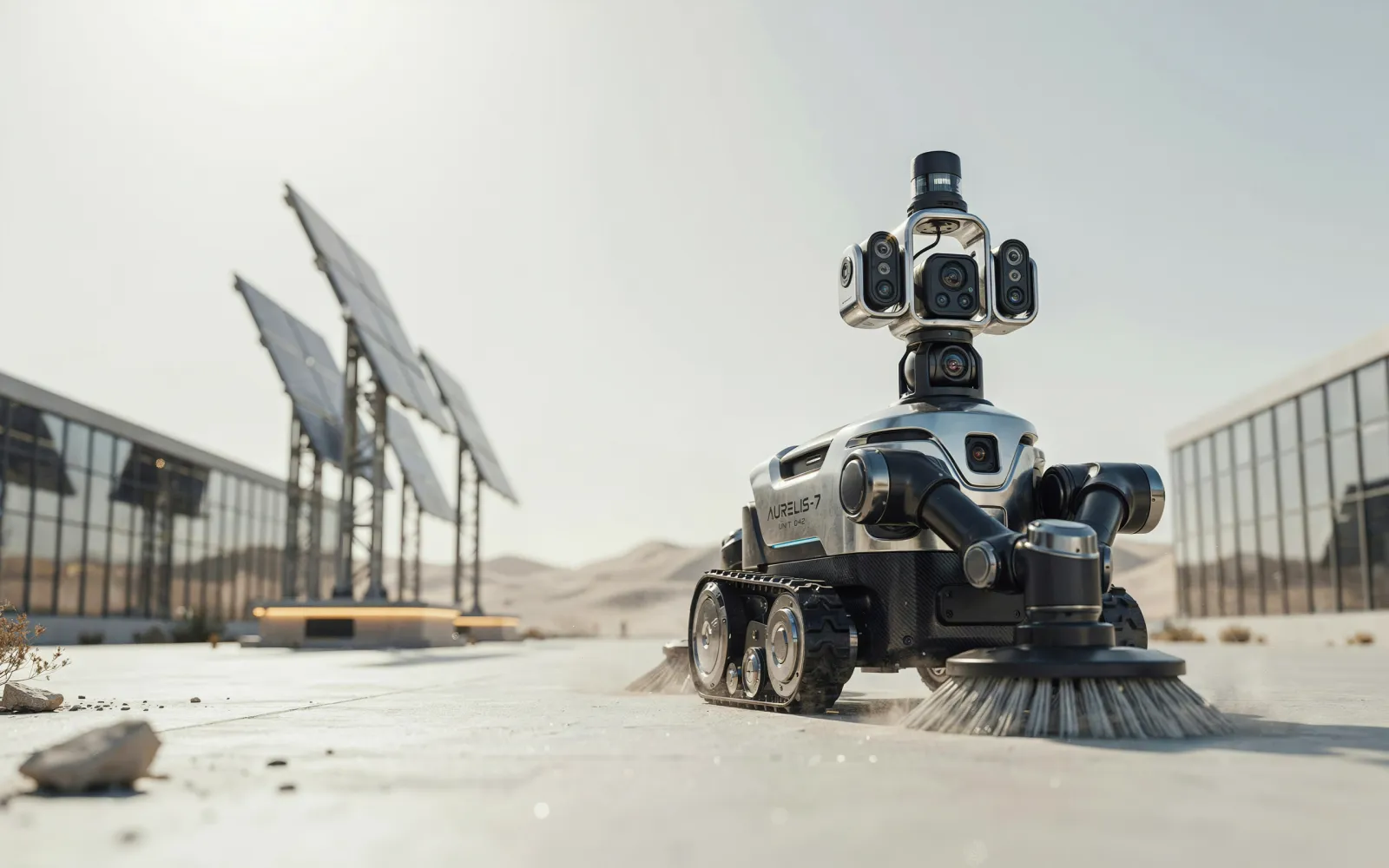
The venture will launch with a first wave of autonomous mini sweepers that weave together advanced perception systems, sensor fusion, intelligent navigation, real‑time fleet orchestration and predictive maintenance. Micropolis frames the sweepers as a cornerstone of a vertically integrated Physical AI ecosystem that blends autonomous vehicles, proprietary robotics software, edge computing and fleet intelligence.
In its press release, the company said the system is designed to ‘move beyond traditional automation by combining intelligent robotics, AI decision‑making, and real‑world operational capabilities.’
Founder and CEO Fareed Aljawhari said the partnership ‘represents an important milestone in demonstrating how Physical AI can transform municipal operations and enable smarter, more efficient cities.’ He added that Micropolis remains focused on expanding its Physical AI ecosystem and deploying reliable AI‑powered technologies that enable governments and enterprises to automate complex operations safely, efficiently and at scale.
The deal dovetails with the United Arab Emirates’ National AI Strategy 2031, which seeks to weave AI across critical sectors and accelerate the development of future‑ready infrastructure and public services. Abu Dhabi’s municipal authorities intend to use the sweepers as a springboard for broader deployment of intelligent robotic services throughout the city’s urban fabric.
Micropolis will also partner with Khalifa University to support research, validation and knowledge transfer initiatives. The collaboration aims to push the boundaries of Physical AI and autonomous robotics in the UAE and to create a testbed for future projects.
Micropolis AI Robotics is a UAE‑based company that designs, develops and manufactures unmanned ground vehicles (UGVs), AI systems and smart infrastructure for urban, security and industrial applications. Its capabilities span mechatronics, embedded systems, AI software and high‑level autonomy.
The five‑year contract covers the full lifecycle of the sweepers, including design, production, deployment, operation and maintenance. While the press release does not disclose how many units will be deployed, it signals that the initial phase will focus on the autonomous sweepers and that the project will lay the groundwork for broader municipal service automation.
The deployment fits within Abu Dhabi’s broader ambition to become a global leader in AI and autonomous technologies. The city has already launched several pilot projects involving autonomous vehicles and robotics, and the new agreement adds to a growing portfolio of smart‑city initiatives.
Micropolis’ announcement follows earlier public statements about its autonomous logistics platform and its next‑generation M1.5 robot, which were unveiled at industry events earlier in 2026. The company’s focus on Physical AI—combining embodied intelligence with software—has attracted attention from both public and private sectors in the Gulf region.
The press release contains forward‑looking statements that reflect Micropolis’ expectations regarding future events. The company cautions that actual results may differ materially from those implied by the statements.
The agreement is expected to accelerate the adoption of AI‑enabled municipal services in Abu Dhabi and to demonstrate the practical benefits of autonomous robotics in a high‑traffic urban environment. The project will also provide data and operational experience that could inform future deployments of autonomous vehicles and other Physical AI solutions across the UAE.
As the partnership advances, stakeholders will monitor the sweepers’ performance, the integration of edge computing and fleet orchestration, and the collaboration with Khalifa University. The outcomes of this project could shape the trajectory of municipal AI deployments in the region and beyond.
The deal underscores the growing role of AI in public‑sector operations and highlights the UAE’s commitment to positioning itself at the forefront of next‑generation technology. The project’s success will likely influence future investment decisions and policy developments related to autonomous municipal services.
The venture will launch with a first wave of autonomous mini sweepers that weave together advanced perception systems, sensor fusion, intelligent navigation, real‑time fleet orchestration and predictive maintenance. Micropolis frames the sweepers as a cornerstone of a vertically integrated Physical AI ecosystem that blends autonomous vehicles, proprietary robotics software, edge computing and fleet intelligence.
In its press release, the company said the system is designed to ‘move beyond traditional automation by combining intelligent robotics, AI decision‑making, and real‑world operational capabilities.’
Founder and CEO Fareed Aljawhari said the partnership ‘represents an important milestone in demonstrating how Physical AI can transform municipal operations and enable smarter, more efficient cities.’ He added that Micropolis remains focused on expanding its Physical AI ecosystem and deploying reliable AI‑powered technologies that enable governments and enterprises to automate complex operations safely, efficiently and at scale.
The deal dovetails with the United Arab Emirates’ National AI Strategy 2031, which seeks to weave AI across critical sectors and accelerate the development of future‑ready infrastructure and public services. Abu Dhabi’s municipal authorities intend to use the sweepers as a springboard for broader deployment of intelligent robotic services throughout the city’s urban fabric.
Micropolis will also partner with Khalifa University to support research, validation and knowledge transfer initiatives. The collaboration aims to push the boundaries of Physical AI and autonomous robotics in the UAE and to create a testbed for future projects.
Micropolis AI Robotics is a UAE‑based company that designs, develops and manufactures unmanned ground vehicles (UGVs), AI systems and smart infrastructure for urban, security and industrial applications. Its capabilities span mechatronics, embedded systems, AI software and high‑level autonomy.
The five‑year contract covers the full lifecycle of the sweepers, including design, production, deployment, operation and maintenance. While the press release does not disclose how many units will be deployed, it signals that the initial phase will focus on the autonomous sweepers and that the project will lay the groundwork for broader municipal service automation.
The deployment fits within Abu Dhabi’s broader ambition to become a global leader in AI and autonomous technologies. The city has already launched several pilot projects involving autonomous vehicles and robotics, and the new agreement adds to a growing portfolio of smart‑city initiatives.
Micropolis’ announcement follows earlier public statements about its autonomous logistics platform and its next‑generation M1.5 robot, which were unveiled at industry events earlier in 2026. The company’s focus on Physical AI—combining embodied intelligence with software—has attracted attention from both public and private sectors in the Gulf region.
The press release contains forward‑looking statements that reflect Micropolis’ expectations regarding future events. The company cautions that actual results may differ materially from those implied by the statements.
The agreement is expected to accelerate the adoption of AI‑enabled municipal services in Abu Dhabi and to demonstrate the practical benefits of autonomous robotics in a high‑traffic urban environment. The project will also provide data and operational experience that could inform future deployments of autonomous vehicles and other Physical AI solutions across the UAE.
As the partnership advances, stakeholders will monitor the sweepers’ performance, the integration of edge computing and fleet orchestration, and the collaboration with Khalifa University. The outcomes of this project could shape the trajectory of municipal AI deployments in the region and beyond.
The deal underscores the growing role of AI in public‑sector operations and highlights the UAE’s commitment to positioning itself at the forefront of next‑generation technology. The project’s success will likely influence future investment decisions and policy developments related to autonomous municipal services.





