Blab AI
PG&E Deploys AI-Driven Weather Models to Sharpen Wildfire Shut-Off Planning
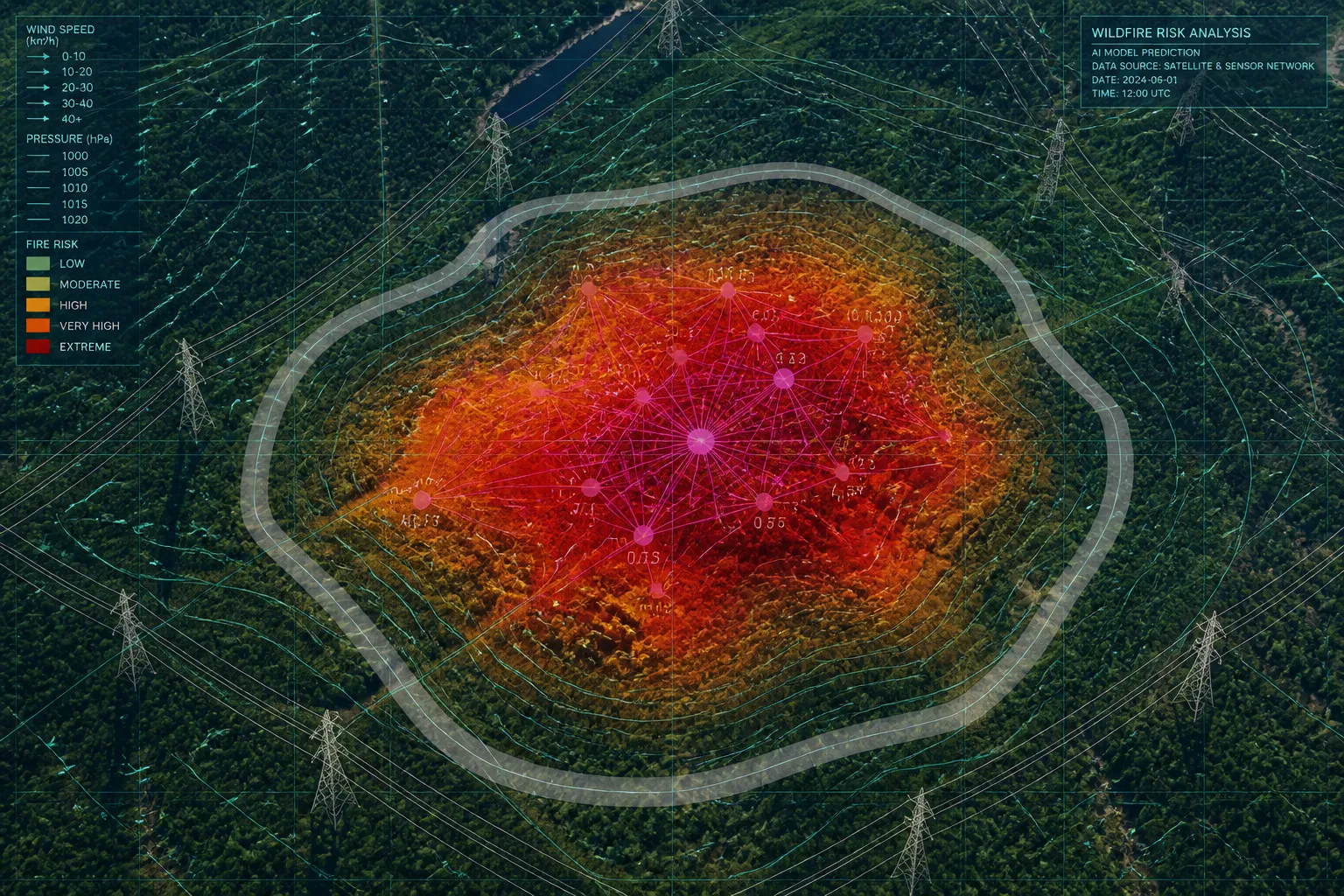
PG&E is harnessing artificial intelligence to sharpen the timing of its public‑safety power shut‑offs (PSPS), a move the utility says will make the events more precise.
Chief Meteorologist Scott Strenfel explained that the new AI prediction model blends historical weather data with machine‑learning algorithms to refine forecasts. The company is bracing for an “above normal” fire season that could extend into September, citing the National Interagency Fire Center (NIFC) outlook that highlights early growth, abundant vegetation, a dry snowpack and a combination of heat, wind and lightning.
The NIFC study points to heightened flammability in Northern California, where an early growing season has produced more fuel than usual and a weak snowpack has left that fuel dry. These conditions, combined with the region’s typical heat and wind patterns, elevate wildfire risk.
Cal Fire data confirm that the current season is already above average. As of the latest report, 2,854 fires have burned nearly 80,000 acres in California. Strenfel noted that while the number of fires is lower than this time last year, the acreage burned is about 20,000 acres higher than the five‑year average.
"Artificial intelligence is allowing the company to improve the accuracy of its predictive weather models," Strenfel said. "Every time we get better, get more accurate at forecasting the weather, well that makes the PSPS events more precise and just a better experience for everyone."
PG&E has issued PSPS events since 2018 to cut power in parts of its service area during severe, dry wind conditions that could spark wildfires. Those shut‑offs have affected thousands of customers and have been a key part of the utility’s wildfire mitigation strategy.
When PG&E rolls out a new model, Strenfel said the team "starts right back at the beginning and thinks about what new tools, what new technology can we bring to eke out even more performance." The emphasis on continual improvement reflects the company’s broader investment in wildfire prevention, which has included infrastructure upgrades, vegetation management and regulatory compliance.
The AI‑enhanced forecasts are intended to help PG&E decide when and where to disconnect power, potentially reducing the number of customers impacted and the risk of equipment‑ignited fires. The utility’s approach aligns with state regulations that require utilities to mitigate wildfire risk and with federal guidance from the NIFC and Cal Fire.
While the article does not detail the specific machine‑learning techniques or data sources used, it indicates that the AI model integrates historical weather patterns with real‑time observations to produce more reliable predictions. The improved precision is expected to support safer, more targeted PSPS decisions.
The utility’s use of AI comes amid broader industry efforts to leverage advanced analytics for wildfire risk management. Other utilities and technology firms are exploring similar approaches, though PG&E’s public statements remain the primary source of information on its implementation.
In summary, PG&E’s adoption of AI‑driven weather models represents a concrete step toward more accurate wildfire forecasting and more precise power shut‑off planning. The company’s focus on continual model improvement and its reliance on authoritative data from the NIFC and Cal Fire underscore its commitment to reducing wildfire risk while balancing service reliability.
The current situation remains dynamic: PG&E will continue to refine its models as new data arrive, and the utility’s PSPS schedule will evolve in response to forecasted conditions. No additional product launches, regulatory changes or partnership announcements were reported at this time.
Chief Meteorologist Scott Strenfel explained that the new AI prediction model blends historical weather data with machine‑learning algorithms to refine forecasts. The company is bracing for an “above normal” fire season that could extend into September, citing the National Interagency Fire Center (NIFC) outlook that highlights early growth, abundant vegetation, a dry snowpack and a combination of heat, wind and lightning.
The NIFC study points to heightened flammability in Northern California, where an early growing season has produced more fuel than usual and a weak snowpack has left that fuel dry. These conditions, combined with the region’s typical heat and wind patterns, elevate wildfire risk.
Cal Fire data confirm that the current season is already above average. As of the latest report, 2,854 fires have burned nearly 80,000 acres in California. Strenfel noted that while the number of fires is lower than this time last year, the acreage burned is about 20,000 acres higher than the five‑year average.
"Artificial intelligence is allowing the company to improve the accuracy of its predictive weather models," Strenfel said. "Every time we get better, get more accurate at forecasting the weather, well that makes the PSPS events more precise and just a better experience for everyone."
PG&E has issued PSPS events since 2018 to cut power in parts of its service area during severe, dry wind conditions that could spark wildfires. Those shut‑offs have affected thousands of customers and have been a key part of the utility’s wildfire mitigation strategy.
When PG&E rolls out a new model, Strenfel said the team "starts right back at the beginning and thinks about what new tools, what new technology can we bring to eke out even more performance." The emphasis on continual improvement reflects the company’s broader investment in wildfire prevention, which has included infrastructure upgrades, vegetation management and regulatory compliance.
The AI‑enhanced forecasts are intended to help PG&E decide when and where to disconnect power, potentially reducing the number of customers impacted and the risk of equipment‑ignited fires. The utility’s approach aligns with state regulations that require utilities to mitigate wildfire risk and with federal guidance from the NIFC and Cal Fire.
While the article does not detail the specific machine‑learning techniques or data sources used, it indicates that the AI model integrates historical weather patterns with real‑time observations to produce more reliable predictions. The improved precision is expected to support safer, more targeted PSPS decisions.
The utility’s use of AI comes amid broader industry efforts to leverage advanced analytics for wildfire risk management. Other utilities and technology firms are exploring similar approaches, though PG&E’s public statements remain the primary source of information on its implementation.
In summary, PG&E’s adoption of AI‑driven weather models represents a concrete step toward more accurate wildfire forecasting and more precise power shut‑off planning. The company’s focus on continual model improvement and its reliance on authoritative data from the NIFC and Cal Fire underscore its commitment to reducing wildfire risk while balancing service reliability.
The current situation remains dynamic: PG&E will continue to refine its models as new data arrive, and the utility’s PSPS schedule will evolve in response to forecasted conditions. No additional product launches, regulatory changes or partnership announcements were reported at this time.





