Blab AI
University of Chicago Law School Bans Laptops, Phones, and AI Tools in First-Year Classrooms
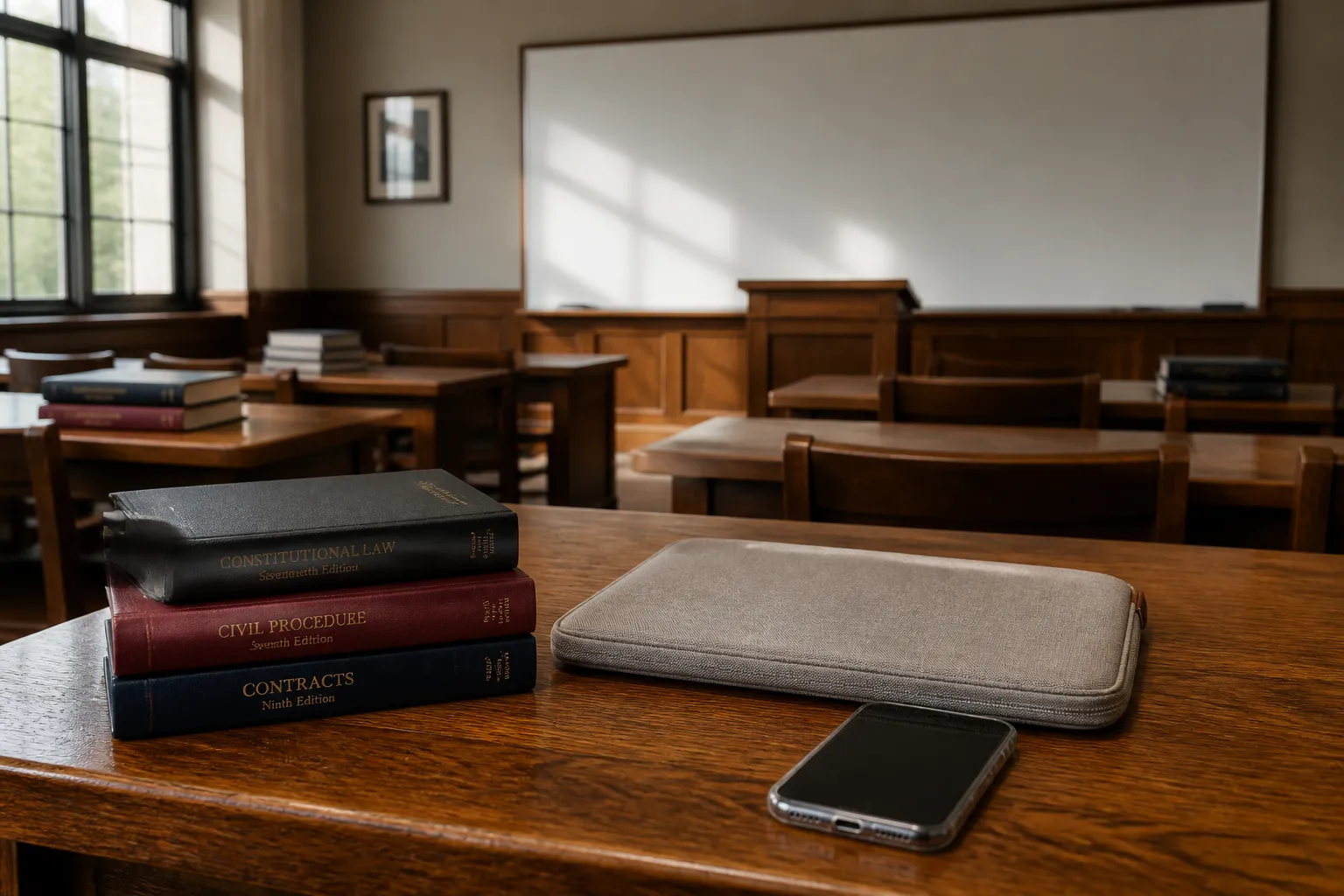
On July 9, 2026, the University of Chicago Law School announced a sweeping restriction that will bar first‑year students from bringing laptops, smartphones, and any other digital device into required classes. The ban also covers artificial‑intelligence tools, compelling students to take handwritten notes and complete in‑class exams without internet access. The measure is part of a broader AI policy designed to strengthen independent critical‑thinking skills before students encounter technology‑assisted legal research.
The rule applies to all nine core first‑year courses—from Civil Procedure to Transactional Lawyering—and takes effect at the start of the 2026‑2027 academic year. Students may still bring paper, pens, and notebooks, but no electronic devices are allowed in the classroom. The school said the ban is intended to reduce reliance on algorithmic assistance during the formative stage of legal education.
"We need to have an honest conversation about how we can ensure students at every level are capable of thinking without machines but also think with machines," Dean Adam Chilton told reporters. "The goal is to produce graduates who can go into the world knowing how to use new technology in the most efficient way possible." Chilton added that the ban is a first step toward a broader strategy that will eventually allow students to use AI tools responsibly in later years.
The decision follows a wave of AI‑related policy changes across Illinois. Chicago Public Schools has already restricted access to certain AI applications on its network and requires students to disclose and properly cite any use of automated tools in assignments. Failure to do so violates the district’s code of conduct, according to a spokesperson. The Chicago Teachers’ Union has issued positions on the integration of machine learning in educational settings, and the University of Illinois Chicago requires students to acknowledge institutional conduct codes before accessing university‑provided AI tools.
Statewide guidance issued under Senate Bill 1920 this summer offers a framework for responsible AI adoption and supports student growth through ethical technology use. The University of Chicago’s policy aligns with the board’s emphasis on balancing traditional learning methods with emerging digital capabilities.
The ban has attracted attention from other legal‑education institutions. In May, the University of California, Berkeley School of Law introduced rules that limit how students may use AI, and the University of Chicago is the first to implement a blanket first‑year device ban. The policy is expected to influence how law schools across the country consider AI integration.
As a member of the T‑14 group of highly ranked U.S. law schools, the University of Chicago has a long history of academic rigor. Its faculty includes prominent scholars such as Cass Sunstein, Richard Posner, and Richard Epstein. The new AI policy reflects the school’s commitment to maintaining high standards while preparing students for a legal profession that increasingly relies on technology.
At present, the policy is limited to the first‑year cohort. The school has not announced plans to extend the ban to upper‑class students, but it has indicated that AI tools will be reintroduced in later years under a structured framework. The policy will be reviewed at the end of the academic year to assess its impact on student learning outcomes and to determine whether adjustments are necessary.
In summary, the University of Chicago Law School’s device and AI ban for first‑year students marks a significant step in the broader conversation about technology use in legal education. Coupled with district and state initiatives, the policy underscores a growing focus on cultivating critical‑thinking skills while ensuring that future lawyers can responsibly harness AI tools in practice.
The rule applies to all nine core first‑year courses—from Civil Procedure to Transactional Lawyering—and takes effect at the start of the 2026‑2027 academic year. Students may still bring paper, pens, and notebooks, but no electronic devices are allowed in the classroom. The school said the ban is intended to reduce reliance on algorithmic assistance during the formative stage of legal education.
"We need to have an honest conversation about how we can ensure students at every level are capable of thinking without machines but also think with machines," Dean Adam Chilton told reporters. "The goal is to produce graduates who can go into the world knowing how to use new technology in the most efficient way possible." Chilton added that the ban is a first step toward a broader strategy that will eventually allow students to use AI tools responsibly in later years.
The decision follows a wave of AI‑related policy changes across Illinois. Chicago Public Schools has already restricted access to certain AI applications on its network and requires students to disclose and properly cite any use of automated tools in assignments. Failure to do so violates the district’s code of conduct, according to a spokesperson. The Chicago Teachers’ Union has issued positions on the integration of machine learning in educational settings, and the University of Illinois Chicago requires students to acknowledge institutional conduct codes before accessing university‑provided AI tools.
Statewide guidance issued under Senate Bill 1920 this summer offers a framework for responsible AI adoption and supports student growth through ethical technology use. The University of Chicago’s policy aligns with the board’s emphasis on balancing traditional learning methods with emerging digital capabilities.
The ban has attracted attention from other legal‑education institutions. In May, the University of California, Berkeley School of Law introduced rules that limit how students may use AI, and the University of Chicago is the first to implement a blanket first‑year device ban. The policy is expected to influence how law schools across the country consider AI integration.
As a member of the T‑14 group of highly ranked U.S. law schools, the University of Chicago has a long history of academic rigor. Its faculty includes prominent scholars such as Cass Sunstein, Richard Posner, and Richard Epstein. The new AI policy reflects the school’s commitment to maintaining high standards while preparing students for a legal profession that increasingly relies on technology.
At present, the policy is limited to the first‑year cohort. The school has not announced plans to extend the ban to upper‑class students, but it has indicated that AI tools will be reintroduced in later years under a structured framework. The policy will be reviewed at the end of the academic year to assess its impact on student learning outcomes and to determine whether adjustments are necessary.
In summary, the University of Chicago Law School’s device and AI ban for first‑year students marks a significant step in the broader conversation about technology use in legal education. Coupled with district and state initiatives, the policy underscores a growing focus on cultivating critical‑thinking skills while ensuring that future lawyers can responsibly harness AI tools in practice.





