Blab AI
Pope Leo XIVs Encyclical Magnifica Humanitas Sparks Debate on AI Ethics and Human Dignity
Pope Leo XIV released his first encyclical, Magnifica Humanitas, on 25 May 2026. The document, signed on 15 May, calls for the protection of the human person in the age of artificial intelligence. The pope presented it in person at the Vatican’s Synod Hall—a rare gesture that underscored the topic’s urgency—and the ceremony drew a mix of clergy and AI experts, including Anthropic co‑founder Chris Olah.
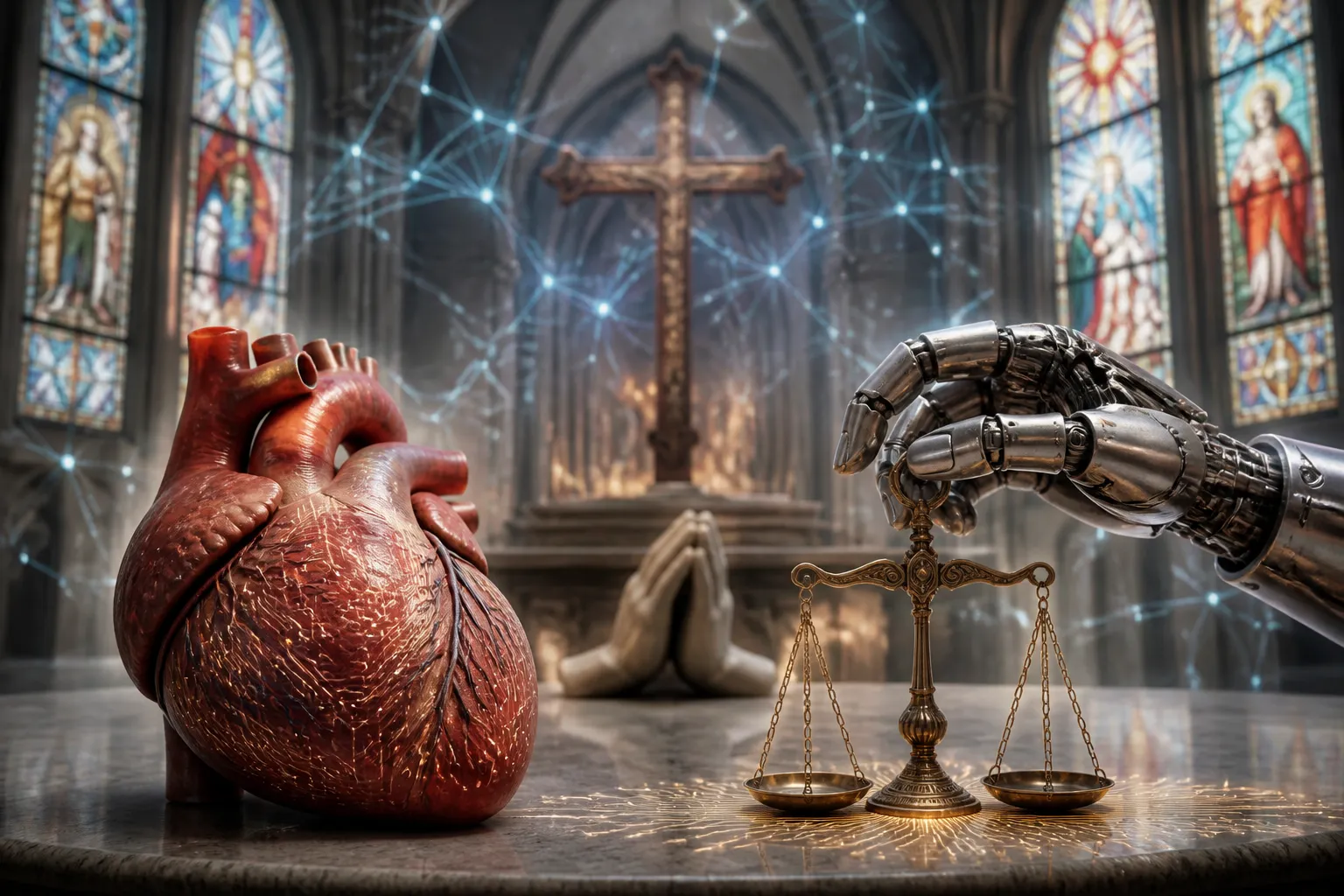
The encyclical insists that artificial intelligence must be firmly at the service of humanity and warns against technologies that foster domination, exclusion, or war. A central quotation states: “In the era of artificial intelligence, when human dignity is threatened by new forms of dehumanization, ours is the pressing duty to remain profoundly human.” It argues that technology is never neutral; it can either promote participation and justice or exacerbate inequality.
Catholic theologians have offered a spectrum of responses. Professor Anna Rowlands of Durham University—who helped shape the Vatican’s discussions—contended that AI can be used responsibly by Christians if users remain clear‑eyed about its formative effects and attentive to the power structures that shape the systems. She explained the encyclical’s guidance on the AMDG: A Jesuit Podcast.
Critics point to a gap between the encyclical’s moral claims and its practical guidance. Antón Barba‑Kay, a fellow at the Center on Privacy and Technology at Georgetown Law, wrote in The Hedgehog Review that the insistence that “technology is never neutral” is not fully realized in the recommendations. He argues that the current discourse is too instrumentalist, treating digital media as tools rather than environments that shape habits and desires. Barba‑Kay echoes media scholar L.M. Sacasas, who views generative AI as an ecology that forms users’ habits.
The debate has also spilled into the creative arts. Novelist Paul Kingsnorth launched the Writers Against AI campaign, urging authors to pledge never to use AI in their writing, never to publish AI‑generated work, and to support human‑created literature. The movement inspired a related initiative, Readers Against AI, reflecting a spectrum of responses from cautious optimism to outright refusal.
Magnifica Humanitas draws on Augustinian ideas of teleology and the role of human builders, while invoking Ignatian spirituality that emphasizes discernment and encounter. The encyclical distinguishes between strategies—institutions’ plans for organizing social space—and tactics—ordinary users’ creative practices for navigating systems they do not control. Applying this framework, AI users are seen as operating tactically within an environment they cannot fully shape.
In sum, Magnifica Humanitas has sparked a multifaceted conversation among theologians, ethicists, artists, and AI experts. The document calls for AI to serve humanity while warning against its potential to deepen inequality and dehumanization. The ensuing debate highlights the need for clear ethical guidelines, regulatory frameworks, and responsible use practices. While the encyclical’s influence on policy and practice remains to be seen, it has already positioned the Catholic Church as a significant voice in the global discussion on artificial intelligence.
The encyclical insists that artificial intelligence must be firmly at the service of humanity and warns against technologies that foster domination, exclusion, or war. A central quotation states: “In the era of artificial intelligence, when human dignity is threatened by new forms of dehumanization, ours is the pressing duty to remain profoundly human.” It argues that technology is never neutral; it can either promote participation and justice or exacerbate inequality.
Catholic theologians have offered a spectrum of responses. Professor Anna Rowlands of Durham University—who helped shape the Vatican’s discussions—contended that AI can be used responsibly by Christians if users remain clear‑eyed about its formative effects and attentive to the power structures that shape the systems. She explained the encyclical’s guidance on the AMDG: A Jesuit Podcast.
Critics point to a gap between the encyclical’s moral claims and its practical guidance. Antón Barba‑Kay, a fellow at the Center on Privacy and Technology at Georgetown Law, wrote in The Hedgehog Review that the insistence that “technology is never neutral” is not fully realized in the recommendations. He argues that the current discourse is too instrumentalist, treating digital media as tools rather than environments that shape habits and desires. Barba‑Kay echoes media scholar L.M. Sacasas, who views generative AI as an ecology that forms users’ habits.
The debate has also spilled into the creative arts. Novelist Paul Kingsnorth launched the Writers Against AI campaign, urging authors to pledge never to use AI in their writing, never to publish AI‑generated work, and to support human‑created literature. The movement inspired a related initiative, Readers Against AI, reflecting a spectrum of responses from cautious optimism to outright refusal.
Magnifica Humanitas draws on Augustinian ideas of teleology and the role of human builders, while invoking Ignatian spirituality that emphasizes discernment and encounter. The encyclical distinguishes between strategies—institutions’ plans for organizing social space—and tactics—ordinary users’ creative practices for navigating systems they do not control. Applying this framework, AI users are seen as operating tactically within an environment they cannot fully shape.
In sum, Magnifica Humanitas has sparked a multifaceted conversation among theologians, ethicists, artists, and AI experts. The document calls for AI to serve humanity while warning against its potential to deepen inequality and dehumanization. The ensuing debate highlights the need for clear ethical guidelines, regulatory frameworks, and responsible use practices. While the encyclical’s influence on policy and practice remains to be seen, it has already positioned the Catholic Church as a significant voice in the global discussion on artificial intelligence.





