Blab AI
Teen Use of AI Chatbots for Mental Health Soars, Highlighting Gaps in Human Connection
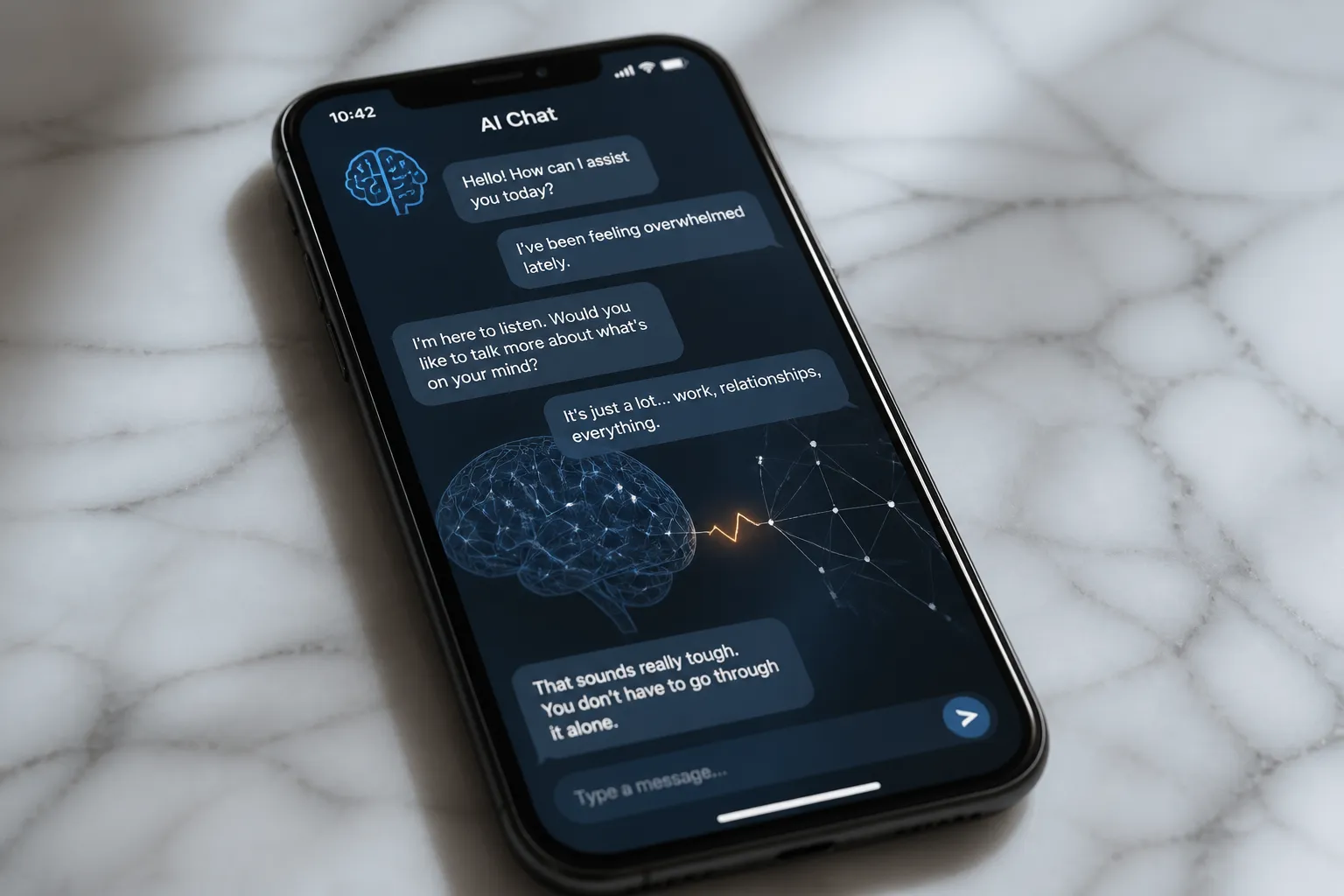
In 2025, a Pew survey found that 64 % of U.S. teens were talking to AI chatbots, and about 30 % used them every day. A 2026 JAMA Pediatrics study added that 19 % of adolescents and young adults aged 12‑21 had turned to chatbots for mental‑health advice, while Common Sense Media’s 2025 report said nearly 75 % of teens had tried an AI companion, with half using such platforms regularly. These numbers show that AI chatbots have become a common first‑line resource for emotional support among American youth.
The surge in chatbot use does not stem from a technological edge. Rather, it reflects a shortage of trusted human outlets. Teens gravitate toward chatbots because they are always available, never judge, and avoid dismissive phrases like “you’re too sensitive.” The authors argue that the underlying issue is a cultural environment that discourages vulnerability and limits permission to feel.
AI can be helpful when applied carefully. It can help a young person label emotions, practice calming techniques, reflect on patterns, and prepare for difficult conversations. In some cases, a chatbot may serve as a bridge to professional help. Yet the authors emphasize that an algorithm cannot deliver the warmth, accountability, or embodied presence that human relationships provide.
The article cites the Harvard Study of Adult Development, which has tracked participants for more than 80 years. The study consistently finds that close relationships are the strongest predictor of health, happiness, and longevity, underscoring the biological necessity of connection. It also references the Yale Center for Emotional Intelligence’s RULER framework, an evidence‑based approach to emotional intelligence implemented in schools worldwide. A meta‑analysis of 424 studies across 53 countries shows that social‑emotional learning improves students’ skills, relationships, school functioning, and academic achievement.
The authors call for two complementary actions. First, stronger guardrails for teen‑facing AI are needed. Independent safety audits and default protections that steer young users away from features fostering dependence—such as flirtation, exclusivity, or the suggestion that the chatbot is “all you need”—should be mandated. Second, the human safety net must be rebuilt. Parents and caregivers are encouraged to practice listening without fixing, to stay present, and to respond with phrases that validate feelings rather than dismiss them. In schools, every child should be known by at least one adult who can recognize distress and intervene. Programs that teach emotional labeling, empathy, and conflict resolution—such as SEL and RULER—should be expanded.
The authors conclude that AI is revealing a gap in the social infrastructure that supports youth. The technology is not the cause of the problem; it is a mirror that shows where human connection is missing. Addressing the issue requires both technological safeguards and a cultural shift that restores the permission for young people to feel, be known, and be held in their hardest moments.
The current landscape shows widespread use of AI chatbots among teens, but also a clear need for stronger human relationships and protective policies. Future work will need to monitor how guardrails are implemented and how schools, families, and communities rebuild the emotional safety nets that AI alone cannot provide.
The surge in chatbot use does not stem from a technological edge. Rather, it reflects a shortage of trusted human outlets. Teens gravitate toward chatbots because they are always available, never judge, and avoid dismissive phrases like “you’re too sensitive.” The authors argue that the underlying issue is a cultural environment that discourages vulnerability and limits permission to feel.
AI can be helpful when applied carefully. It can help a young person label emotions, practice calming techniques, reflect on patterns, and prepare for difficult conversations. In some cases, a chatbot may serve as a bridge to professional help. Yet the authors emphasize that an algorithm cannot deliver the warmth, accountability, or embodied presence that human relationships provide.
The article cites the Harvard Study of Adult Development, which has tracked participants for more than 80 years. The study consistently finds that close relationships are the strongest predictor of health, happiness, and longevity, underscoring the biological necessity of connection. It also references the Yale Center for Emotional Intelligence’s RULER framework, an evidence‑based approach to emotional intelligence implemented in schools worldwide. A meta‑analysis of 424 studies across 53 countries shows that social‑emotional learning improves students’ skills, relationships, school functioning, and academic achievement.
The authors call for two complementary actions. First, stronger guardrails for teen‑facing AI are needed. Independent safety audits and default protections that steer young users away from features fostering dependence—such as flirtation, exclusivity, or the suggestion that the chatbot is “all you need”—should be mandated. Second, the human safety net must be rebuilt. Parents and caregivers are encouraged to practice listening without fixing, to stay present, and to respond with phrases that validate feelings rather than dismiss them. In schools, every child should be known by at least one adult who can recognize distress and intervene. Programs that teach emotional labeling, empathy, and conflict resolution—such as SEL and RULER—should be expanded.
The authors conclude that AI is revealing a gap in the social infrastructure that supports youth. The technology is not the cause of the problem; it is a mirror that shows where human connection is missing. Addressing the issue requires both technological safeguards and a cultural shift that restores the permission for young people to feel, be known, and be held in their hardest moments.
The current landscape shows widespread use of AI chatbots among teens, but also a clear need for stronger human relationships and protective policies. Future work will need to monitor how guardrails are implemented and how schools, families, and communities rebuild the emotional safety nets that AI alone cannot provide.





