Blab AI
Sen. Mark Warner Highlights Tariffs, Drought, and AIs Impact on Virginia in Rappahannock News Interview
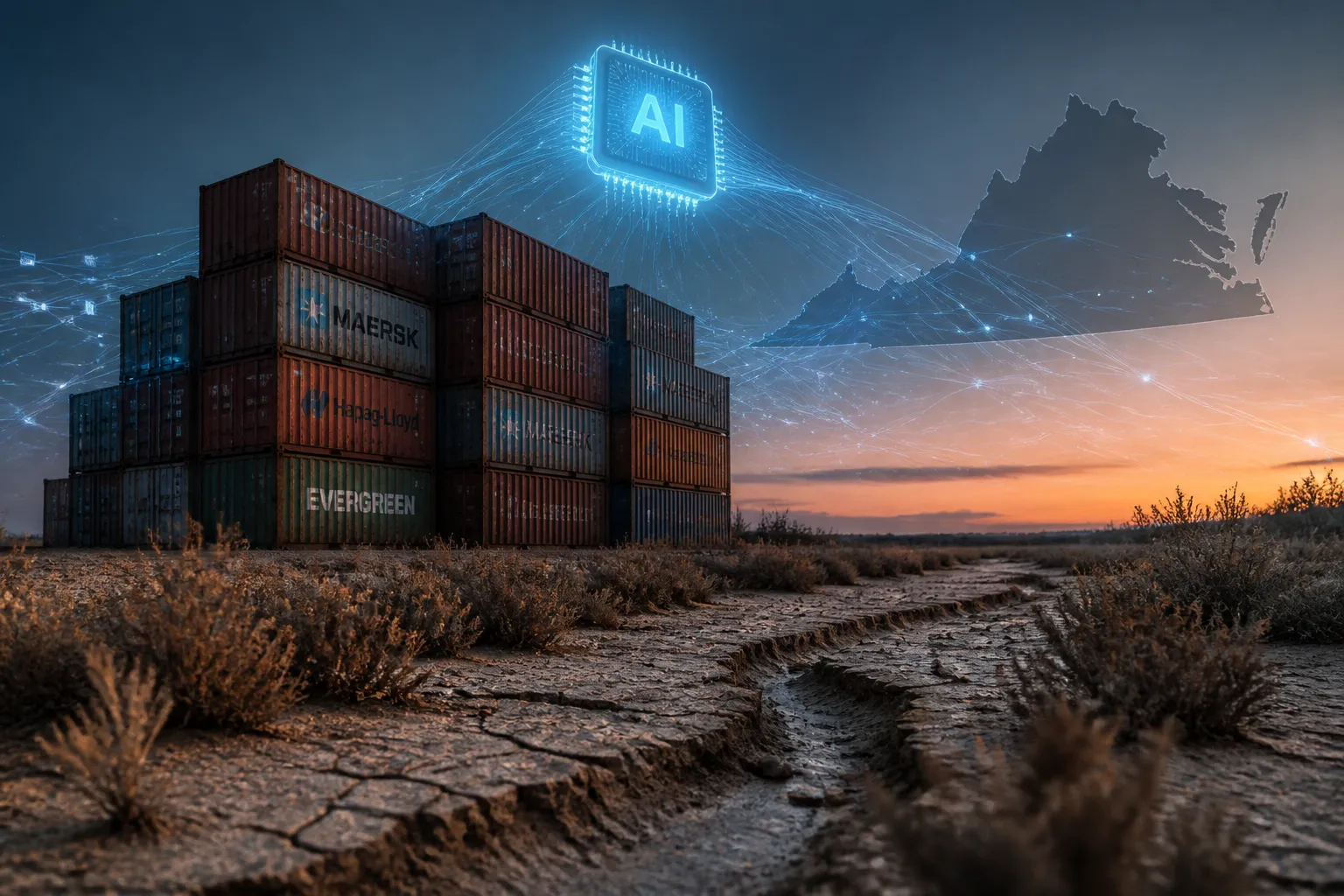
On Saturday, Senator Mark Warner—Virginia’s incumbent Democrat running for re‑election—sat down with the Rappahannock News to outline what he calls the state’s top three priorities: soaring input costs fueled by tariffs, an unprecedented drought, and the accelerating influence of artificial intelligence.
The interview took place during a campaign stop for the Louisa County Democratic Committee, where Roxie Pearl Beebe‑Center, a summer intern, served as the moderator. The event also drew Tom Perriello, who is running for Virginia’s 5th Congressional District seat.
When pressed about farmers, Warner expressed deep concern over a 40 % rise in fertilizer prices, attributing the jump to both tariffs and the ongoing conflict in Iran. He noted that many fertilizer components are shipped through the Strait of Hormuz—a passage that has recently closed again despite the president’s claim the war is over. Warner urged a reversal of former President Trump’s tariff policies, pointing out that Middle‑Eastern imports dominate the fertilizer market and that disruptions in the Strait affect global supply chains. The strait handles roughly 25 % of seaborne oil trade and 20 % of liquefied natural gas.
Water and climate made up another pillar of Warner’s address. He recalled his tenure as governor, when Virginia imposed mandatory water restrictions that proved unpopular among private‑well owners. The senator said the measures were necessary because groundwater is shared among many properties. He warned that the unusually high heat of June underscores the reality of climate change. His comments came amid reports that Virginia is experiencing its worst drought in decades, with low water levels prompting conservation calls in 94 counties. The state’s Department of Environmental Quality issued a drought advisory in May 2026.
On the topic of artificial intelligence, Warner warned of short‑term economic disruption as AI products enter the workforce. He said the impact will disproportionately affect college graduates from both rural and urban areas. The senator called for a massive worker‑training program funded by technology companies to prepare new workers. He also stressed the importance of expanding affordable broadband for rural Virginia, arguing that high‑speed, low‑cost internet is essential for keeping young people in local communities. Warner criticized the pace of federal broadband projects, labeling the Biden administration as slow and noting that the Trump administration failed to secure adequate funding.
A partnership between MGW and Ribbon is currently supporting BEAD‑funded broadband expansion in rural Virginia, aiming to deliver high‑speed connectivity to tens of thousands of locations.
During the Q&A, Warner urged greater transparency and local approval for data‑center development. He compared the rapid rise of AI to the early growth of social media, insisting that stronger accountability is needed for technology companies. Citing concerns such as non‑consensual nudes and chatbots that encourage self‑harm, he argued that entities found guilty should face legal responsibility and penalties.
Warner also criticized the recent conflict involving Iran, stating that it had accomplished “nothing” beyond driving up gas prices and strengthening a more radical government. He noted that Iran’s missile and drone capabilities had not been eliminated.
In closing, the senator’s remarks weave together economic, environmental, and technological threads that he believes will shape Virginia’s future. He urged federal action on tariffs, water policy, broadband infrastructure, and AI regulation, while highlighting the ongoing challenges of drought, rising input costs for farmers, and the need for workforce development in a rapidly changing economy.
As the 2026 Senate election approaches, Warner’s comments may influence voters’ perceptions of his priorities and his ability to address the Commonwealth’s complex issues.
The interview took place during a campaign stop for the Louisa County Democratic Committee, where Roxie Pearl Beebe‑Center, a summer intern, served as the moderator. The event also drew Tom Perriello, who is running for Virginia’s 5th Congressional District seat.
When pressed about farmers, Warner expressed deep concern over a 40 % rise in fertilizer prices, attributing the jump to both tariffs and the ongoing conflict in Iran. He noted that many fertilizer components are shipped through the Strait of Hormuz—a passage that has recently closed again despite the president’s claim the war is over. Warner urged a reversal of former President Trump’s tariff policies, pointing out that Middle‑Eastern imports dominate the fertilizer market and that disruptions in the Strait affect global supply chains. The strait handles roughly 25 % of seaborne oil trade and 20 % of liquefied natural gas.
Water and climate made up another pillar of Warner’s address. He recalled his tenure as governor, when Virginia imposed mandatory water restrictions that proved unpopular among private‑well owners. The senator said the measures were necessary because groundwater is shared among many properties. He warned that the unusually high heat of June underscores the reality of climate change. His comments came amid reports that Virginia is experiencing its worst drought in decades, with low water levels prompting conservation calls in 94 counties. The state’s Department of Environmental Quality issued a drought advisory in May 2026.
On the topic of artificial intelligence, Warner warned of short‑term economic disruption as AI products enter the workforce. He said the impact will disproportionately affect college graduates from both rural and urban areas. The senator called for a massive worker‑training program funded by technology companies to prepare new workers. He also stressed the importance of expanding affordable broadband for rural Virginia, arguing that high‑speed, low‑cost internet is essential for keeping young people in local communities. Warner criticized the pace of federal broadband projects, labeling the Biden administration as slow and noting that the Trump administration failed to secure adequate funding.
A partnership between MGW and Ribbon is currently supporting BEAD‑funded broadband expansion in rural Virginia, aiming to deliver high‑speed connectivity to tens of thousands of locations.
During the Q&A, Warner urged greater transparency and local approval for data‑center development. He compared the rapid rise of AI to the early growth of social media, insisting that stronger accountability is needed for technology companies. Citing concerns such as non‑consensual nudes and chatbots that encourage self‑harm, he argued that entities found guilty should face legal responsibility and penalties.
Warner also criticized the recent conflict involving Iran, stating that it had accomplished “nothing” beyond driving up gas prices and strengthening a more radical government. He noted that Iran’s missile and drone capabilities had not been eliminated.
In closing, the senator’s remarks weave together economic, environmental, and technological threads that he believes will shape Virginia’s future. He urged federal action on tariffs, water policy, broadband infrastructure, and AI regulation, while highlighting the ongoing challenges of drought, rising input costs for farmers, and the need for workforce development in a rapidly changing economy.
As the 2026 Senate election approaches, Warner’s comments may influence voters’ perceptions of his priorities and his ability to address the Commonwealth’s complex issues.





