Blab AI
Morgan Stanleys Laura Wang Highlights Chinas Central Role in Global AI Supercycle as A-Share Stocks Deliver Strong Returns
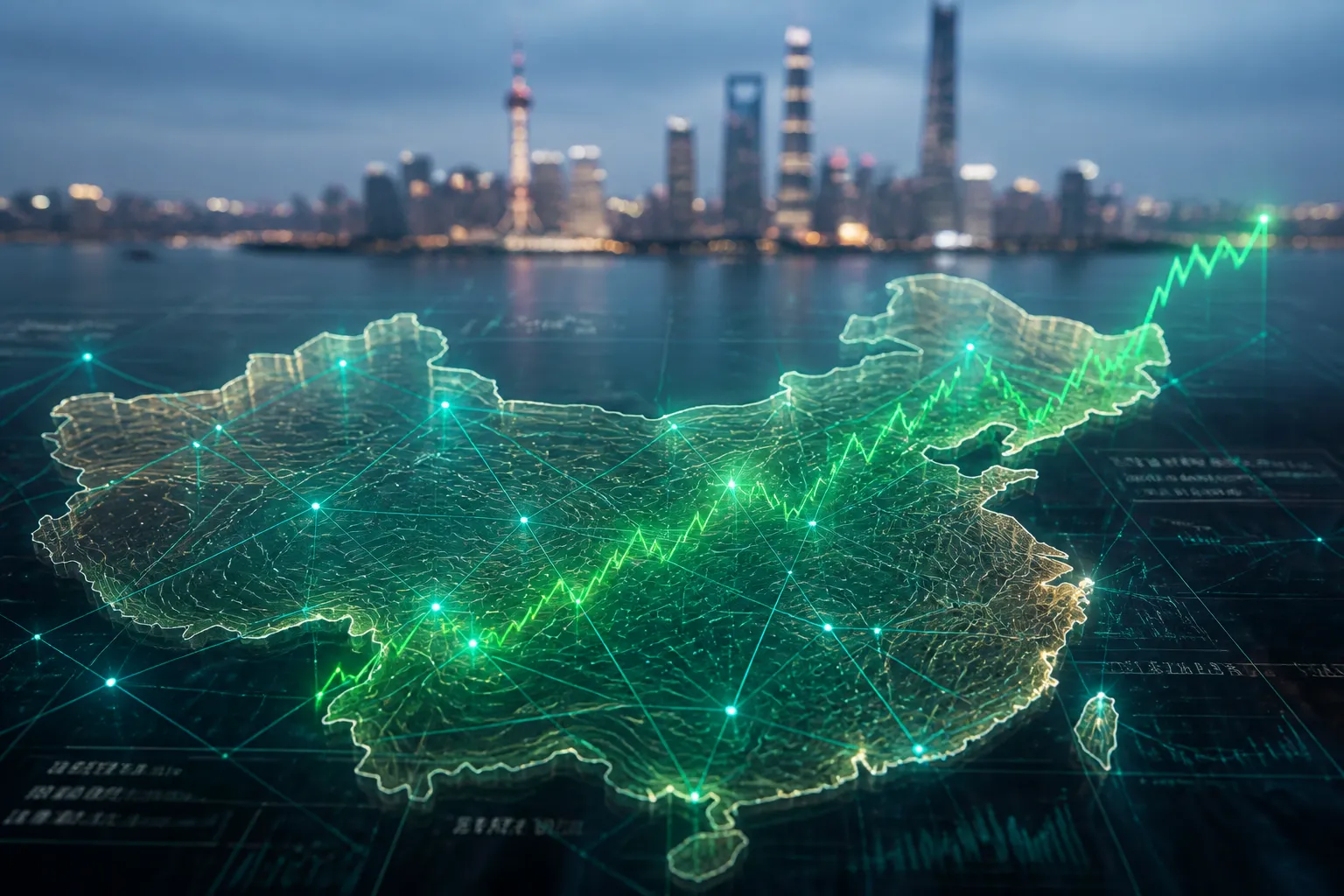
Laura Wang, chief China equity strategist at Morgan Stanley, said on July 2, 2026 that China is an essential and irreplaceable part of the global artificial‑intelligence (AI) supercycle. She added that AI‑related stocks delivered "fantastic returns" for A‑share investors during the first half of 2026.
The AI supercycle refers to the sustained surge in enterprise spending on AI technologies, which analysts estimate will reach $940 billion in 2026 and grow to $2.1 trillion by 2029. China is a key driver of this trend. 2026 data show that Chinese exports of semiconductors, servers, and cooling solutions rose sharply as demand for AI hardware increased. The country’s advanced manufacturing ecosystem is producing a large share of the components that power AI workloads.
Wang’s comments come amid a broader narrative that China is a global AI leader. The Chinese government’s 13th Five‑Year Plan, announced in 2016, set a goal of becoming a world leader in AI by 2030. The State Council’s list of national AI teams includes major firms such as Baidu, Tencent, Alibaba, SenseTime, and iFlytek, each tasked with advancing a specific AI sector.
From an investment perspective, Morgan Stanley’s strategy for Chinese equities is influenced by low valuations and a positive earnings‑growth outlook. The firm’s research team has noted that A‑share stocks have outperformed many peers in the first half of 2026, a trend that Wang attributes to the AI supercycle’s impact on high‑tech and manufacturing sectors.
China’s AI activity also supports macro‑economic growth. Analysts report that the supercycle is reinforcing the strong side of China’s K‑shaped recovery, boosting production, exports, and high‑tech investment while household demand remains limited. The increased demand for AI hardware is driving a surge in exports and imports, with May 2026 trade figures exceeding forecasts.
The convergence of AI demand and China’s manufacturing capacity has implications for global supply chains. Companies that supply memory, storage, and cooling solutions to data centers are benefiting, while chip designers that dominated earlier headlines are now less prominent. The shift reflects the broader transition toward enterprise AI applications and intelligent services.
In summary, Laura Wang’s remarks underscore China’s pivotal role in the AI supercycle and the strong performance of A‑share AI‑related stocks in 2026. The trend is expected to continue as enterprise AI spending rises, reinforcing China’s position as a leading AI market and a major contributor to global AI hardware demand. Investors and industry observers will watch how the supercycle shapes corporate earnings, supply‑chain dynamics, and the broader economic outlook in the coming years.
The AI supercycle refers to the sustained surge in enterprise spending on AI technologies, which analysts estimate will reach $940 billion in 2026 and grow to $2.1 trillion by 2029. China is a key driver of this trend. 2026 data show that Chinese exports of semiconductors, servers, and cooling solutions rose sharply as demand for AI hardware increased. The country’s advanced manufacturing ecosystem is producing a large share of the components that power AI workloads.
Wang’s comments come amid a broader narrative that China is a global AI leader. The Chinese government’s 13th Five‑Year Plan, announced in 2016, set a goal of becoming a world leader in AI by 2030. The State Council’s list of national AI teams includes major firms such as Baidu, Tencent, Alibaba, SenseTime, and iFlytek, each tasked with advancing a specific AI sector.
From an investment perspective, Morgan Stanley’s strategy for Chinese equities is influenced by low valuations and a positive earnings‑growth outlook. The firm’s research team has noted that A‑share stocks have outperformed many peers in the first half of 2026, a trend that Wang attributes to the AI supercycle’s impact on high‑tech and manufacturing sectors.
China’s AI activity also supports macro‑economic growth. Analysts report that the supercycle is reinforcing the strong side of China’s K‑shaped recovery, boosting production, exports, and high‑tech investment while household demand remains limited. The increased demand for AI hardware is driving a surge in exports and imports, with May 2026 trade figures exceeding forecasts.
The convergence of AI demand and China’s manufacturing capacity has implications for global supply chains. Companies that supply memory, storage, and cooling solutions to data centers are benefiting, while chip designers that dominated earlier headlines are now less prominent. The shift reflects the broader transition toward enterprise AI applications and intelligent services.
In summary, Laura Wang’s remarks underscore China’s pivotal role in the AI supercycle and the strong performance of A‑share AI‑related stocks in 2026. The trend is expected to continue as enterprise AI spending rises, reinforcing China’s position as a leading AI market and a major contributor to global AI hardware demand. Investors and industry observers will watch how the supercycle shapes corporate earnings, supply‑chain dynamics, and the broader economic outlook in the coming years.





