Blab AI
Israels AI-driven humanitarian response reaches Venezuela after earthquake
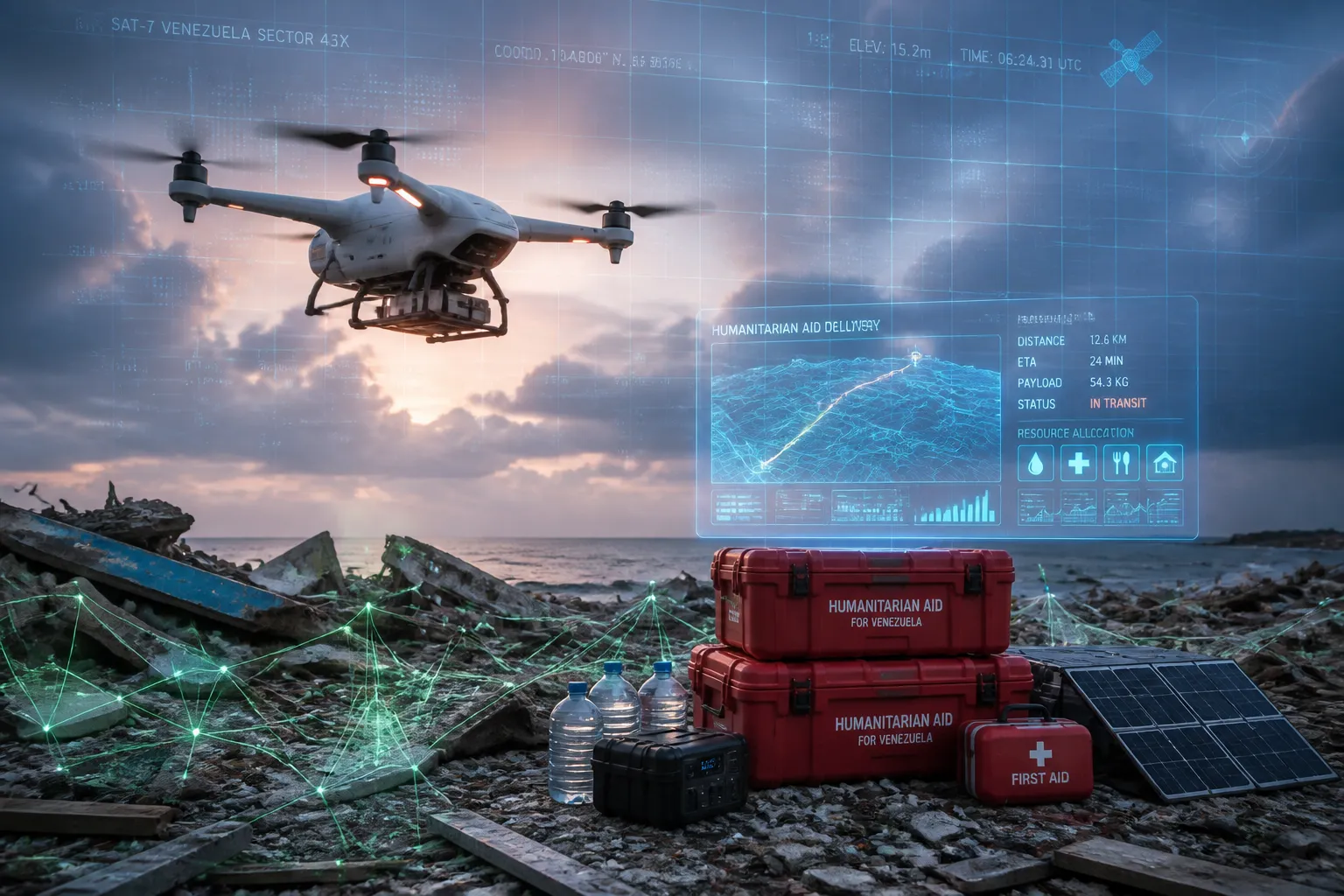
On July 3 2026, a 7.5‑meter quake rattled Venezuela, amplifying an already dire humanitarian crisis. Even though Israel and Venezuela have no diplomatic ties, several Israeli aid organisations have stepped in, offering remote guidance and coordination through local partners.
The intervention marks a growing trend: Israeli nonprofits and tech firms are turning to artificial intelligence to broaden the reach of humanitarian work. Rather than replacing on‑field teams, they use AI to deliver expertise, analysis and decision‑support to areas where physical access is limited or impossible.
Four Israeli humanitarian groups have already launched remote assistance for Venezuela. They collaborate with local partners, share data, and deploy cross‑border teams that include professionals with dual citizenship. A network of remote experts analyzes satellite imagery, climate data and other inputs to pinpoint the most urgent needs.
One of the most visible AI applications is disease prevention. NALA, which focuses on neglected tropical diseases in Africa, is testing an AI system that fuses satellite imagery, environmental indicators, climate data and terrain mapping to forecast potential outbreak zones before they materialize. In a parallel effort, NALA is trialing an AI‑powered microscope developed with Seed Israel and Jimma University in Ethiopia. The device can diagnose intestinal parasites in locations that lack laboratory facilities or trained specialists.
In health screening, CervInsight has built an AI platform that lets nurses and community health workers detect early signs of cervical cancer using only a smartphone. The system eliminates the need for laboratory infrastructure or specialist physicians. CervInsight reports that the tool is already in use in Kenya, Malawi, Nigeria, Ethiopia and El Salvador, and that more than 350,000 women die annually from cervical cancer worldwide.
Addressing the psychological fallout of crises, Early Starters International has created “Tiki,” an AI‑based assistant that offers trauma‑informed guidance to educators working with children affected by trauma. The assistant is designed for environments where specialists are scarce. A new version in development will operate through WhatsApp, removing the need for registration or dedicated software.
Rural Senses, active in over 18 countries, has built a system that transcribes, translates and analyzes thousands of interviews across more than 80 languages and dialects. The platform identifies patterns, themes and emotional signals in open‑ended responses. In Kenya, the company processed more than 13,000 responses in four languages in 34 days, helping a local organisation refine its programmes and secure additional funding.
Infrastructure planning is another area where AI is proving useful. AnyWay Solutions uses machine learning and geospatial analysis to design transportation systems in developing countries. By analyzing satellite imagery and aerial photographs, the system can identify settlements missing from official maps, evaluate road route options and support the design of infrastructure that is resilient to climate pressures. In Papua New Guinea, the company’s tools have helped connect isolated communities to healthcare, education and employment services while reducing costs and environmental impact.
A spokesperson for SID Israel, an umbrella organisation for Israeli humanitarian aid and international development groups, said that the use of AI is driven by the increasing frequency of situations where on‑ground presence is impossible. “Artificial intelligence does not replace field work, but it allows us to expand it and reach places that were previously out of reach,” she said.
The Venezuelan earthquake has highlighted the potential of AI‑driven remote assistance in humanitarian contexts. While the technology is still being refined and deployed, the Israeli organisations involved are already demonstrating how data‑driven tools can complement traditional aid efforts, especially in regions where access is constrained by geography, politics or infrastructure.
The current situation in Venezuela remains unstable, with ongoing shortages of basic goods and limited capacity to respond to the earthquake’s damage. Israeli aid organisations continue to coordinate with local partners, and the AI tools they deploy are expected to provide timely information and support until physical relief teams can arrive. The broader humanitarian community is watching these developments closely, as they may signal a shift toward more data‑centric approaches in future disaster responses.
The intervention marks a growing trend: Israeli nonprofits and tech firms are turning to artificial intelligence to broaden the reach of humanitarian work. Rather than replacing on‑field teams, they use AI to deliver expertise, analysis and decision‑support to areas where physical access is limited or impossible.
Four Israeli humanitarian groups have already launched remote assistance for Venezuela. They collaborate with local partners, share data, and deploy cross‑border teams that include professionals with dual citizenship. A network of remote experts analyzes satellite imagery, climate data and other inputs to pinpoint the most urgent needs.
One of the most visible AI applications is disease prevention. NALA, which focuses on neglected tropical diseases in Africa, is testing an AI system that fuses satellite imagery, environmental indicators, climate data and terrain mapping to forecast potential outbreak zones before they materialize. In a parallel effort, NALA is trialing an AI‑powered microscope developed with Seed Israel and Jimma University in Ethiopia. The device can diagnose intestinal parasites in locations that lack laboratory facilities or trained specialists.
In health screening, CervInsight has built an AI platform that lets nurses and community health workers detect early signs of cervical cancer using only a smartphone. The system eliminates the need for laboratory infrastructure or specialist physicians. CervInsight reports that the tool is already in use in Kenya, Malawi, Nigeria, Ethiopia and El Salvador, and that more than 350,000 women die annually from cervical cancer worldwide.
Addressing the psychological fallout of crises, Early Starters International has created “Tiki,” an AI‑based assistant that offers trauma‑informed guidance to educators working with children affected by trauma. The assistant is designed for environments where specialists are scarce. A new version in development will operate through WhatsApp, removing the need for registration or dedicated software.
Rural Senses, active in over 18 countries, has built a system that transcribes, translates and analyzes thousands of interviews across more than 80 languages and dialects. The platform identifies patterns, themes and emotional signals in open‑ended responses. In Kenya, the company processed more than 13,000 responses in four languages in 34 days, helping a local organisation refine its programmes and secure additional funding.
Infrastructure planning is another area where AI is proving useful. AnyWay Solutions uses machine learning and geospatial analysis to design transportation systems in developing countries. By analyzing satellite imagery and aerial photographs, the system can identify settlements missing from official maps, evaluate road route options and support the design of infrastructure that is resilient to climate pressures. In Papua New Guinea, the company’s tools have helped connect isolated communities to healthcare, education and employment services while reducing costs and environmental impact.
A spokesperson for SID Israel, an umbrella organisation for Israeli humanitarian aid and international development groups, said that the use of AI is driven by the increasing frequency of situations where on‑ground presence is impossible. “Artificial intelligence does not replace field work, but it allows us to expand it and reach places that were previously out of reach,” she said.
The Venezuelan earthquake has highlighted the potential of AI‑driven remote assistance in humanitarian contexts. While the technology is still being refined and deployed, the Israeli organisations involved are already demonstrating how data‑driven tools can complement traditional aid efforts, especially in regions where access is constrained by geography, politics or infrastructure.
The current situation in Venezuela remains unstable, with ongoing shortages of basic goods and limited capacity to respond to the earthquake’s damage. Israeli aid organisations continue to coordinate with local partners, and the AI tools they deploy are expected to provide timely information and support until physical relief teams can arrive. The broader humanitarian community is watching these developments closely, as they may signal a shift toward more data‑centric approaches in future disaster responses.





