Blab AI
Microsoft Copilot and Dynamics 365 Finance Offer AI-Powered Tools to Tackle Late Customer Payments in the UK
Late payments are a silent drain on UK cash flow, cutting liquidity, delaying supplier bills and undermining forecasting accuracy. Traditional finance teams have relied on ageing reports and manual follow‑ups to flag overdue invoices, but those tools only react after the problem has already begun.
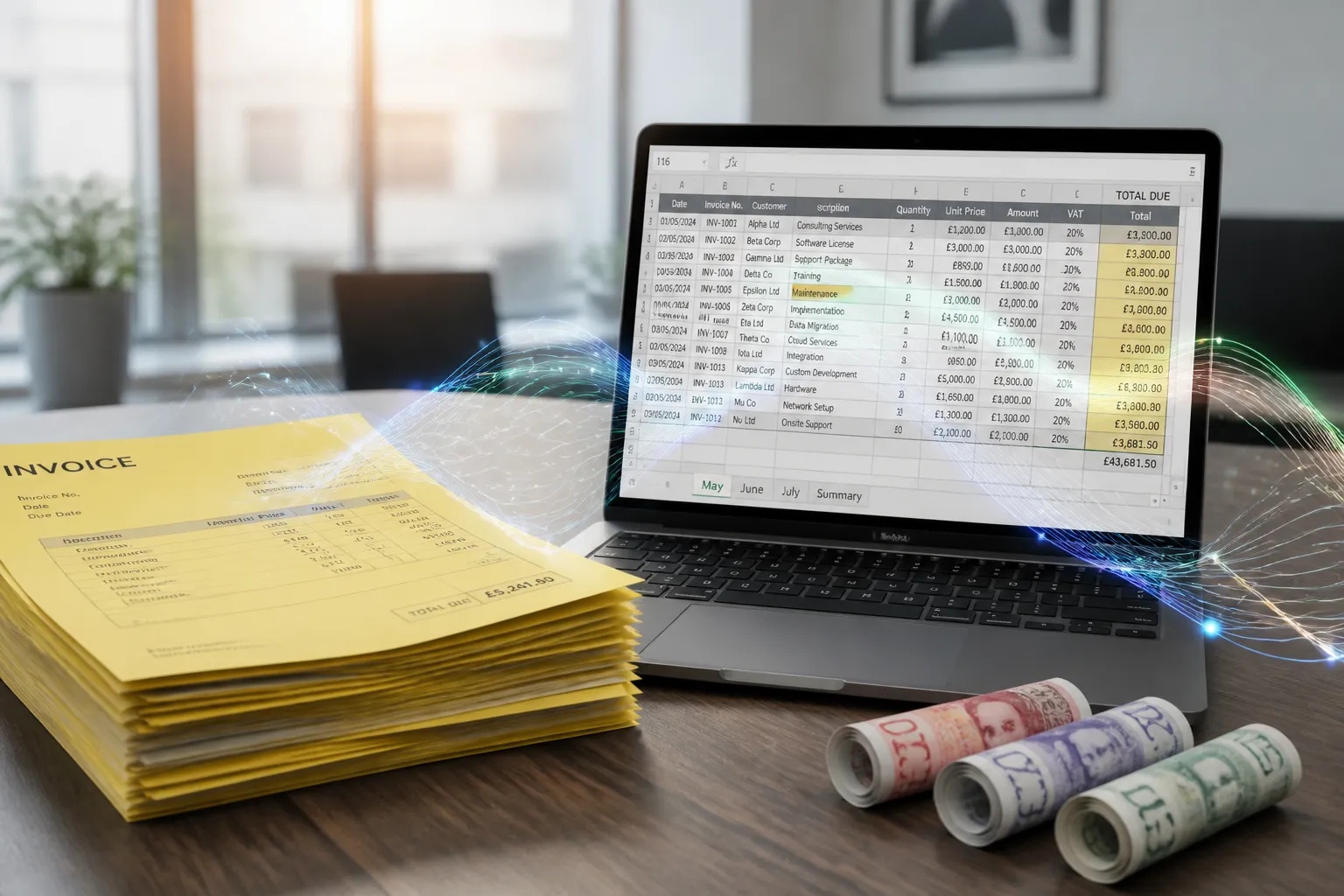
Microsoft’s Dynamics 365 Finance, paired with the Copilot AI assistant, offers a proactive alternative. By fusing financial data with AI‑driven insights, the solution lets organisations analyse customer payment behaviour, highlight accounts that may need closer scrutiny and prioritise collections efforts. How the technology works
Dynamics 365 Finance centralises a company’s customer financial information—payment history, credit limits and outstanding balances. Copilot then applies machine‑learning techniques to this data. According to the source, Copilot does not predict the future with certainty; instead it identifies patterns that signal higher payment risk. It can answer questions such as:
Which customers consistently pay after the due date? Have any customers recently changed their payment behaviour? Which high‑value invoices require immediate attention? Which accounts should collections teams prioritise?
By surfacing these patterns early, finance teams can act before payment issues become severe. Key data sources used by Copilot
1. Historical payment behaviour – average payment times, days beyond agreed terms and consistency. 2. Invoice ageing analysis – high‑value overdue invoices, multiple unpaid invoices and deteriorating behaviour. 3. Customer credit information – credit limits, current balances and available credit. 4. Payment trends over time – shifts in payment speed that may signal financial stress. 5. Collections history – reminder emails, payment promises and dispute records.
The combination of these data points gives a clearer picture of payment risk than ageing reports alone. Business impact
The source cites a UK manufacturer with more than 600 customers and 4,000 monthly invoices. After implementing Dynamics 365 Finance with Copilot, the finance team could identify:
Customers whose payment times had increased significantly. High‑value invoices approaching overdue status. Accounts nearing credit limits. Recurring payment disputes. * Collection activities needing follow‑up.
The team shifted focus to the highest‑risk accounts, improving collection efficiency, reducing manual effort and giving management better visibility into expected cash flow. Best practices for maximum benefit
The source recommends:
Maintaining accurate and up‑to‑date customer records. Reviewing payment terms regularly. Recording every collection activity. Continuously monitoring payment trends. Combining AI insights with finance expertise. Regularly reviewing credit policies. * Training finance staff on Copilot. Avoiding common mistakes
The source warns against:
Relying only on ageing reports. Treating every customer the same. Poor data quality. Delaying collection activities. Future outlook
Microsoft is continuing to invest in Copilot across the Dynamics 365 ecosystem. The source predicts further enhancements such as smarter collections recommendations, improved forecasting, greater automation of repetitive tasks and more personalised AI assistance. Partner support
Dynamics Square UK, a certified Microsoft partner, offers implementation, configuration and ongoing optimisation services for Dynamics 365 Finance and Copilot. The source lists services such as accounts receivable process optimisation, cash‑flow forecasting improvements, Power BI integration and workflow automation. Conclusion
Late payments remain a persistent challenge for UK businesses. By integrating Dynamics 365 Finance with Microsoft Copilot, organisations can move from reactive to proactive collections management. The AI‑powered insights help finance teams prioritise high‑risk accounts, improve cash‑flow visibility and reduce manual effort. As Microsoft expands Copilot’s capabilities, businesses that adopt the technology early may gain a competitive edge in managing accounts receivable.
Microsoft’s Dynamics 365 Finance, paired with the Copilot AI assistant, offers a proactive alternative. By fusing financial data with AI‑driven insights, the solution lets organisations analyse customer payment behaviour, highlight accounts that may need closer scrutiny and prioritise collections efforts. How the technology works
Dynamics 365 Finance centralises a company’s customer financial information—payment history, credit limits and outstanding balances. Copilot then applies machine‑learning techniques to this data. According to the source, Copilot does not predict the future with certainty; instead it identifies patterns that signal higher payment risk. It can answer questions such as:
Which customers consistently pay after the due date? Have any customers recently changed their payment behaviour? Which high‑value invoices require immediate attention? Which accounts should collections teams prioritise?
By surfacing these patterns early, finance teams can act before payment issues become severe. Key data sources used by Copilot
1. Historical payment behaviour – average payment times, days beyond agreed terms and consistency. 2. Invoice ageing analysis – high‑value overdue invoices, multiple unpaid invoices and deteriorating behaviour. 3. Customer credit information – credit limits, current balances and available credit. 4. Payment trends over time – shifts in payment speed that may signal financial stress. 5. Collections history – reminder emails, payment promises and dispute records.
The combination of these data points gives a clearer picture of payment risk than ageing reports alone. Business impact
The source cites a UK manufacturer with more than 600 customers and 4,000 monthly invoices. After implementing Dynamics 365 Finance with Copilot, the finance team could identify:
Customers whose payment times had increased significantly. High‑value invoices approaching overdue status. Accounts nearing credit limits. Recurring payment disputes. * Collection activities needing follow‑up.
The team shifted focus to the highest‑risk accounts, improving collection efficiency, reducing manual effort and giving management better visibility into expected cash flow. Best practices for maximum benefit
The source recommends:
Maintaining accurate and up‑to‑date customer records. Reviewing payment terms regularly. Recording every collection activity. Continuously monitoring payment trends. Combining AI insights with finance expertise. Regularly reviewing credit policies. * Training finance staff on Copilot. Avoiding common mistakes
The source warns against:
Relying only on ageing reports. Treating every customer the same. Poor data quality. Delaying collection activities. Future outlook
Microsoft is continuing to invest in Copilot across the Dynamics 365 ecosystem. The source predicts further enhancements such as smarter collections recommendations, improved forecasting, greater automation of repetitive tasks and more personalised AI assistance. Partner support
Dynamics Square UK, a certified Microsoft partner, offers implementation, configuration and ongoing optimisation services for Dynamics 365 Finance and Copilot. The source lists services such as accounts receivable process optimisation, cash‑flow forecasting improvements, Power BI integration and workflow automation. Conclusion
Late payments remain a persistent challenge for UK businesses. By integrating Dynamics 365 Finance with Microsoft Copilot, organisations can move from reactive to proactive collections management. The AI‑powered insights help finance teams prioritise high‑risk accounts, improve cash‑flow visibility and reduce manual effort. As Microsoft expands Copilot’s capabilities, businesses that adopt the technology early may gain a competitive edge in managing accounts receivable.





