Blab AI
Russia Deploys AI-Powered Air-Defense System to Counter Ukrainian Drone Threat
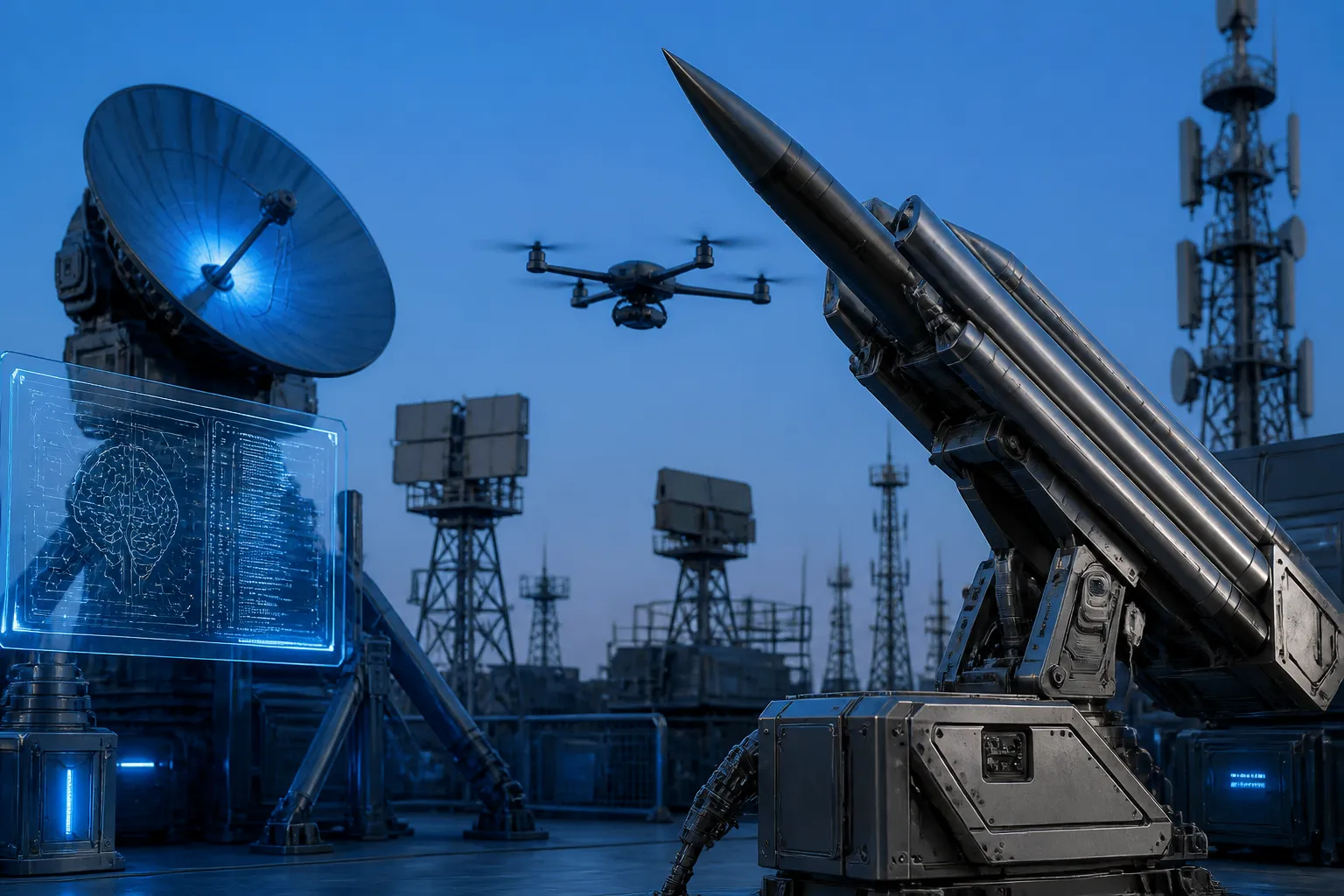
Russia is moving to deploy an artificial‑intelligence (AI) environment for its air‑defense forces, a step that the Ministry of Defence says will improve the identification and tracking of hostile aircraft and unmanned aerial vehicles (UAVs). The system is scheduled to be operational by November and is one of seven projects that the ministry aims to finish before the end of 2026. Defense Minister Andrey Belousov told military reporters on Monday that the initiative will be carried out in partnership with civilian companies.
The push comes after a surge of Ukrainian drone and missile attacks that have stretched Russian air‑defense assets. Belousov said the new AI tools would help the forces detect threats earlier and increase the hit rate against enemy drones. The minister noted that the situation with UAV protection in Russian regions and the special military operation area changes every two to three months.
Russia has built layered air‑defense systems around its battlegroups in the special military operation area. In addition to fixed‑site systems, mobile fire groups are being introduced. These groups are equipped mainly with interceptor first‑person‑view (FPV) drones, the minister said.
A unified information environment has been under development since April. The system links tactical‑level data to higher‑level command, allowing commanders to see the overall situation and exercise command and control. The ministry has distributed a large number of tablet devices to crews, crew commanders and combat vehicles; all of these devices feed into the single system to share information across the decision‑making chain.
AI is already used in Russian drones for image recognition, automatic target lock‑on and navigation. The next phase, according to the ministry, involves training neural networks to build a “data mart” that will further speed up response times.
The new AI‑enabled air‑defense environment is part of a broader effort to counter the growing UAV threat. In a recent report, the Russian Ministry of Defence said that its air‑defense forces shot down 806 aircraft—including UAVs—on a single day. The ministry also reported that its forces destroyed 196 Ukrainian UAVs over Russian regions in an eight‑hour period.
The Russian Aerospace Forces, which include the Air and Missile Defense Forces, have long been regarded as one of the world’s most capable air‑defense systems. The S‑400 Triumph system, adopted in 2007, is a key component of the network. However, the ministry’s own data indicate that the sheer volume of Ukrainian drone attacks has challenged the system’s capacity.
The AI integration is expected to reduce the time between detection and engagement, a critical factor when countering fast‑moving UAVs. The ministry has not yet released detailed performance metrics for the new system.
At present, the Russian air‑defense forces continue to operate a mix of legacy and modern systems, and the AI initiative is one of several measures aimed at maintaining operational effectiveness in a rapidly evolving threat environment. The ministry has not announced a specific deployment schedule beyond the November target.
The AI‑powered environment will be one of seven projects slated for completion before the end of 2026. While the ministry has confirmed the collaboration with civilian companies, it has not disclosed the identities of those partners.
In summary, Russia is advancing its air‑defense capabilities by integrating AI to improve target detection, tracking and engagement. The new system is expected to be live by November, and it forms part of a broader strategy to counter the increasing frequency and sophistication of Ukrainian drone attacks. The Ministry of Defence has not yet provided quantitative data on the system’s performance, and the exact scope of the civilian partnership remains undisclosed.
The push comes after a surge of Ukrainian drone and missile attacks that have stretched Russian air‑defense assets. Belousov said the new AI tools would help the forces detect threats earlier and increase the hit rate against enemy drones. The minister noted that the situation with UAV protection in Russian regions and the special military operation area changes every two to three months.
Russia has built layered air‑defense systems around its battlegroups in the special military operation area. In addition to fixed‑site systems, mobile fire groups are being introduced. These groups are equipped mainly with interceptor first‑person‑view (FPV) drones, the minister said.
A unified information environment has been under development since April. The system links tactical‑level data to higher‑level command, allowing commanders to see the overall situation and exercise command and control. The ministry has distributed a large number of tablet devices to crews, crew commanders and combat vehicles; all of these devices feed into the single system to share information across the decision‑making chain.
AI is already used in Russian drones for image recognition, automatic target lock‑on and navigation. The next phase, according to the ministry, involves training neural networks to build a “data mart” that will further speed up response times.
The new AI‑enabled air‑defense environment is part of a broader effort to counter the growing UAV threat. In a recent report, the Russian Ministry of Defence said that its air‑defense forces shot down 806 aircraft—including UAVs—on a single day. The ministry also reported that its forces destroyed 196 Ukrainian UAVs over Russian regions in an eight‑hour period.
The Russian Aerospace Forces, which include the Air and Missile Defense Forces, have long been regarded as one of the world’s most capable air‑defense systems. The S‑400 Triumph system, adopted in 2007, is a key component of the network. However, the ministry’s own data indicate that the sheer volume of Ukrainian drone attacks has challenged the system’s capacity.
The AI integration is expected to reduce the time between detection and engagement, a critical factor when countering fast‑moving UAVs. The ministry has not yet released detailed performance metrics for the new system.
At present, the Russian air‑defense forces continue to operate a mix of legacy and modern systems, and the AI initiative is one of several measures aimed at maintaining operational effectiveness in a rapidly evolving threat environment. The ministry has not announced a specific deployment schedule beyond the November target.
The AI‑powered environment will be one of seven projects slated for completion before the end of 2026. While the ministry has confirmed the collaboration with civilian companies, it has not disclosed the identities of those partners.
In summary, Russia is advancing its air‑defense capabilities by integrating AI to improve target detection, tracking and engagement. The new system is expected to be live by November, and it forms part of a broader strategy to counter the increasing frequency and sophistication of Ukrainian drone attacks. The Ministry of Defence has not yet provided quantitative data on the system’s performance, and the exact scope of the civilian partnership remains undisclosed.





