Blab AI
Study Finds One in Five Teens Turn to AI Chatbots for Mental Health Advice
In a world where midnight screens glow, a new study published in the Journal of the American Medical Association Pediatrics on June 28, 2026 reports that about 20 % of adolescents use chatbots to seek mental‑health advice. The research also found that most of these teens do not disclose their use of AI to parents, friends, or clinicians.
The study surveyed a nationally representative sample of adolescents aged 13‑18. Researchers noted that the convenience of 24‑hour availability, free access, and the perception of anonymity make chatbots an attractive option for young people who may feel uncomfortable discussing mental‑health concerns with a human.
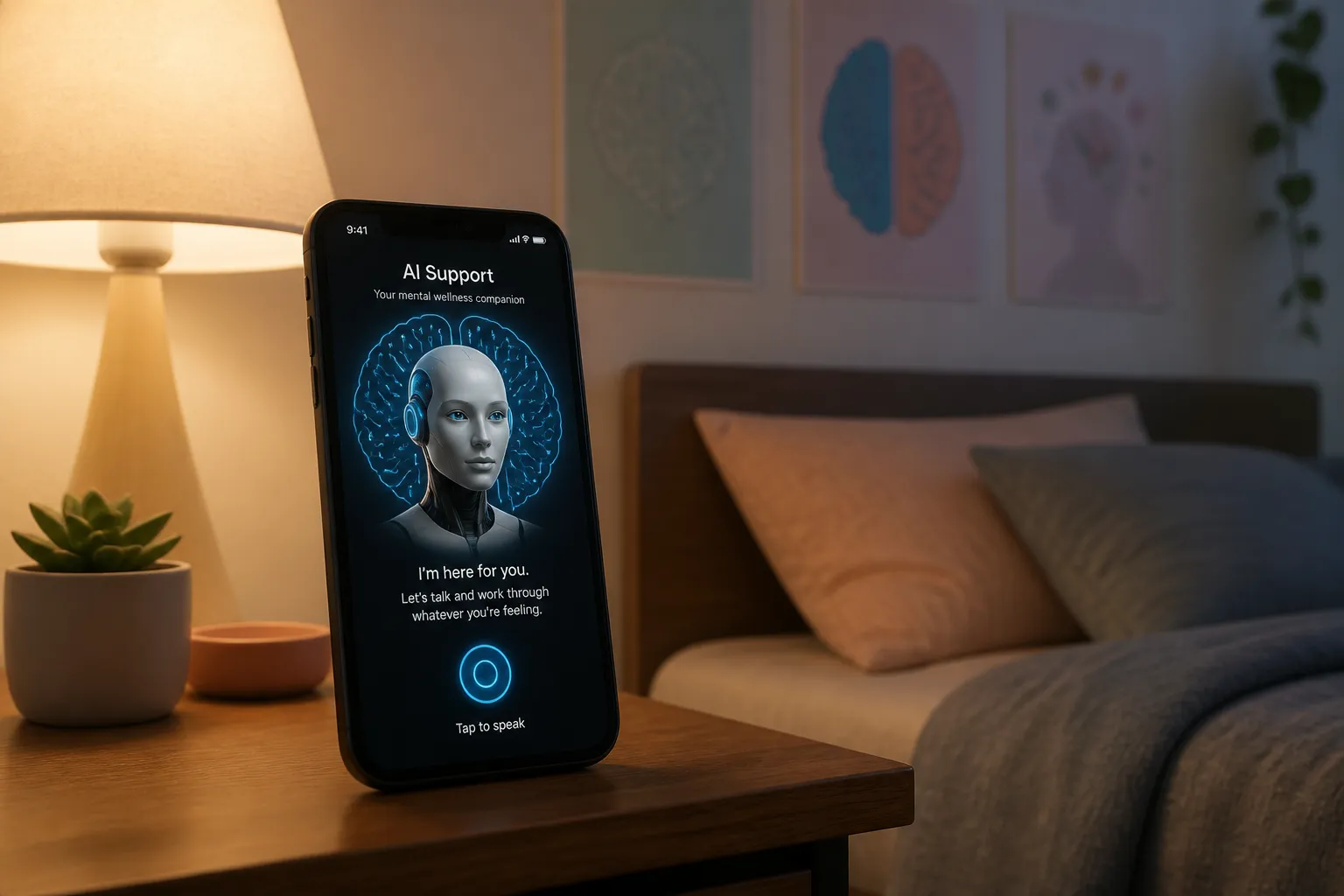
Novant Health therapist Jaren Doby, quoted in the study’s commentary, said the technology “is meeting a need.” He explained that teens can open an app at any hour—such as 2 a.m. on a summer night—and receive immediate responses. “It’s free, it’s immediate, and there is no fear of being judged in any way or ridiculed,” Doby said.
However, Doby cautioned that AI chatbots lack the depth of human understanding. “AI truly doesn’t understand human suffering,” he said. “It cannot recognize body language or fully process the trauma, family dynamics, or risk level that a trained professional can.” The study echoes this limitation, noting that while chatbots can provide general coping strategies, they cannot replace personalized clinical care.
Despite these constraints, the research indicates that chatbots can help adolescents organize thoughts, practice self‑reflection, and learn coping skills. Doby highlighted that approximately 90 % of teens who used chatbots reported the advice as somewhat or very helpful for these purposes.
Gender differences emerged in the data. The study found a higher proportion of female respondents used AI for mental‑health support. Doby attributed this trend to social norms that make women more comfortable expressing emotions. “Women are usually more comfortable in being able to express their emotions,” he said.
To mitigate the risk of overreliance on AI, the study recommends that caregivers and clinicians remain attentive to signs of declining mental health. Doby emphasized the importance of creating a safe space where teens feel heard: “We need to be present, opening up and being like, ‘Look, I’ve noticed you haven’t seemed like yourself lately; how are you really doing?’”
The study also calls for education around the proper use of AI tools. Doby noted that misuse can lead to dangerous outcomes, stressing that technology should never replace human connection.
The findings arrive amid growing interest in digital mental‑health solutions. Novant Health has previously partnered with NeuroFlow to provide 24‑hour mental‑health support for patients and employees, and the Institute for Innovation and Artificial Intelligence at Novant Health has explored AI applications in clinical care.
While the study underscores the potential benefits of AI chatbots for adolescents, it also highlights the need for safeguards, professional oversight, and further research into long‑term outcomes. As AI tools become more integrated into mental‑health care, stakeholders will need to balance accessibility with the limitations of current technology.
In summary, the JAMA Pediatrics study confirms that a significant minority of teens are turning to AI chatbots for mental‑health advice, largely for convenience and anonymity. The data suggest that while chatbots can aid in coping and self‑reflection, they cannot replace trained professionals. The study urges continued dialogue among clinicians, caregivers, and technologists to ensure that AI complements rather than substitutes human care.
The study surveyed a nationally representative sample of adolescents aged 13‑18. Researchers noted that the convenience of 24‑hour availability, free access, and the perception of anonymity make chatbots an attractive option for young people who may feel uncomfortable discussing mental‑health concerns with a human.
Novant Health therapist Jaren Doby, quoted in the study’s commentary, said the technology “is meeting a need.” He explained that teens can open an app at any hour—such as 2 a.m. on a summer night—and receive immediate responses. “It’s free, it’s immediate, and there is no fear of being judged in any way or ridiculed,” Doby said.
However, Doby cautioned that AI chatbots lack the depth of human understanding. “AI truly doesn’t understand human suffering,” he said. “It cannot recognize body language or fully process the trauma, family dynamics, or risk level that a trained professional can.” The study echoes this limitation, noting that while chatbots can provide general coping strategies, they cannot replace personalized clinical care.
Despite these constraints, the research indicates that chatbots can help adolescents organize thoughts, practice self‑reflection, and learn coping skills. Doby highlighted that approximately 90 % of teens who used chatbots reported the advice as somewhat or very helpful for these purposes.
Gender differences emerged in the data. The study found a higher proportion of female respondents used AI for mental‑health support. Doby attributed this trend to social norms that make women more comfortable expressing emotions. “Women are usually more comfortable in being able to express their emotions,” he said.
To mitigate the risk of overreliance on AI, the study recommends that caregivers and clinicians remain attentive to signs of declining mental health. Doby emphasized the importance of creating a safe space where teens feel heard: “We need to be present, opening up and being like, ‘Look, I’ve noticed you haven’t seemed like yourself lately; how are you really doing?’”
The study also calls for education around the proper use of AI tools. Doby noted that misuse can lead to dangerous outcomes, stressing that technology should never replace human connection.
The findings arrive amid growing interest in digital mental‑health solutions. Novant Health has previously partnered with NeuroFlow to provide 24‑hour mental‑health support for patients and employees, and the Institute for Innovation and Artificial Intelligence at Novant Health has explored AI applications in clinical care.
While the study underscores the potential benefits of AI chatbots for adolescents, it also highlights the need for safeguards, professional oversight, and further research into long‑term outcomes. As AI tools become more integrated into mental‑health care, stakeholders will need to balance accessibility with the limitations of current technology.
In summary, the JAMA Pediatrics study confirms that a significant minority of teens are turning to AI chatbots for mental‑health advice, largely for convenience and anonymity. The data suggest that while chatbots can aid in coping and self‑reflection, they cannot replace trained professionals. The study urges continued dialogue among clinicians, caregivers, and technologists to ensure that AI complements rather than substitutes human care.





