Blab AI
AI-Generated Michael Caine Narrates Homers Odyssey, Sparking Consent Debate
ElevenLabs has just released a 13‑hour audiobook of Homer’s Odyssey that sounds almost indistinguishable from the legendary voice of Sir Michael Caine. The entire recording was produced with synthetic audio tools, featuring 20 additional voices, music and sound effects, yet no studio session took place.
The project belongs to ElevenLabs’ “Iconic Marketplace,” a platform that licenses the likeness and voice of public figures for commercial AI‑generated content. According to a report by Smithsonian magazine, the 93‑year‑old British actor granted the company permission to use a digital recreation of his voice. The agreement allows ElevenLabs to deploy the AI voice in projects such as audiobooks, podcasts, and other media.
ElevenLabs has already used the same model for other high‑profile characters. Earlier releases included an AI narration of The Wonderful Wizard of Oz that mimicked Judy Garland and a Sherlock Holmes audiobook featuring a synthetic Laurence Olivier.
The use of celebrity voices in AI‑generated media has divided the entertainment industry. Some creators argue that synthetic voices can preserve iconic performances and introduce classic works to new audiences. Others warn that widespread licensing of celebrity voices could crowd out human narrators and erode creative employment. The debate intensified in 2025 when more than 400 entertainment leaders signed an open letter urging the U.S. government to strengthen AI and copyright regulations.
The audiobook sector is especially sensitive to this issue because human narration has traditionally been central to the listening experience. In an interview with the New York Times, audiobook narrator Edoardo Ballerini cautioned that “the slippery slope of synthetic celebrity voices is that publishers will simply license those voices for more and more projects, resulting in fewer possibilities for everyone else.”
Amid these concerns, a new tool called the Human Consent Registry was launched on June 23 2026 by RSL Media, a nonprofit co‑founded by actress Cate Blanchett. The registry is a public, machine‑readable database that records whether individuals approve or reject the use of their likeness, voice, or movements by AI systems. While the registry provides a way for people to set preferences—such as permitting, prohibiting, or requiring payment for AI use—there is currently no enforcement mechanism to guarantee compliance.
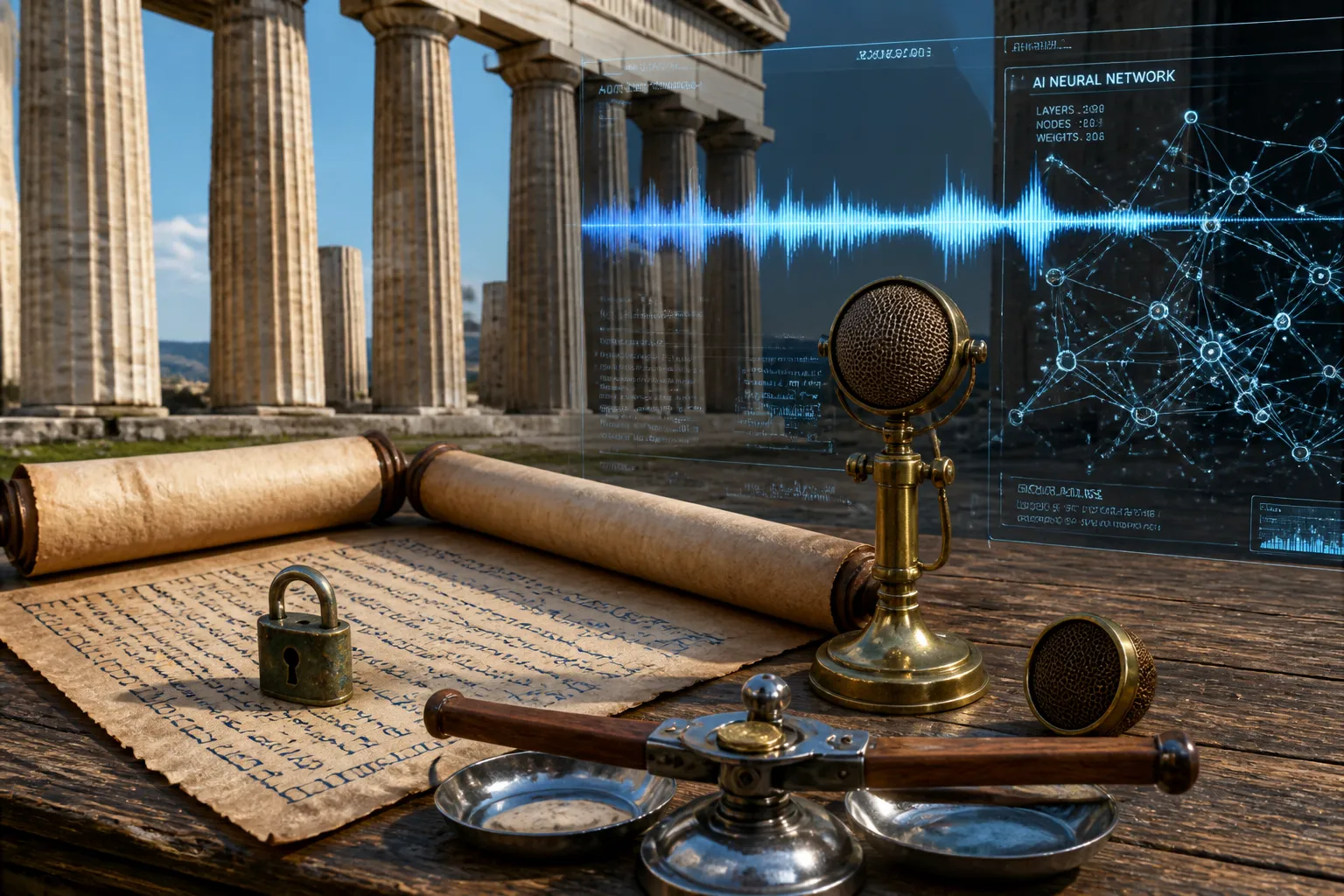
The release of the Odyssey audiobook illustrates how ancient stories can be re‑imagined with modern technology, but it also highlights the broader questions of consent, ownership, and the future of performance. The conversation extends beyond a single production to the evolving relationship between AI, creative professionals, and the public.
At present, the Odyssey audiobook is available for purchase on major platforms, and ElevenLabs continues to expand its catalog of licensed voices. The Human Consent Registry is still in its early stages, and it remains unclear how it will influence industry practices or regulatory frameworks. The industry watches closely as new AI‑generated media releases, potential policy changes, and further developments in consent technology unfold.
The situation underscores the need for clear guidelines that balance innovation with the rights of performers and the interests of audiences. Until such frameworks are established, the use of synthetic celebrity voices will likely remain a contentious topic in the entertainment and AI communities.
The project belongs to ElevenLabs’ “Iconic Marketplace,” a platform that licenses the likeness and voice of public figures for commercial AI‑generated content. According to a report by Smithsonian magazine, the 93‑year‑old British actor granted the company permission to use a digital recreation of his voice. The agreement allows ElevenLabs to deploy the AI voice in projects such as audiobooks, podcasts, and other media.
ElevenLabs has already used the same model for other high‑profile characters. Earlier releases included an AI narration of The Wonderful Wizard of Oz that mimicked Judy Garland and a Sherlock Holmes audiobook featuring a synthetic Laurence Olivier.
The use of celebrity voices in AI‑generated media has divided the entertainment industry. Some creators argue that synthetic voices can preserve iconic performances and introduce classic works to new audiences. Others warn that widespread licensing of celebrity voices could crowd out human narrators and erode creative employment. The debate intensified in 2025 when more than 400 entertainment leaders signed an open letter urging the U.S. government to strengthen AI and copyright regulations.
The audiobook sector is especially sensitive to this issue because human narration has traditionally been central to the listening experience. In an interview with the New York Times, audiobook narrator Edoardo Ballerini cautioned that “the slippery slope of synthetic celebrity voices is that publishers will simply license those voices for more and more projects, resulting in fewer possibilities for everyone else.”
Amid these concerns, a new tool called the Human Consent Registry was launched on June 23 2026 by RSL Media, a nonprofit co‑founded by actress Cate Blanchett. The registry is a public, machine‑readable database that records whether individuals approve or reject the use of their likeness, voice, or movements by AI systems. While the registry provides a way for people to set preferences—such as permitting, prohibiting, or requiring payment for AI use—there is currently no enforcement mechanism to guarantee compliance.
The release of the Odyssey audiobook illustrates how ancient stories can be re‑imagined with modern technology, but it also highlights the broader questions of consent, ownership, and the future of performance. The conversation extends beyond a single production to the evolving relationship between AI, creative professionals, and the public.
At present, the Odyssey audiobook is available for purchase on major platforms, and ElevenLabs continues to expand its catalog of licensed voices. The Human Consent Registry is still in its early stages, and it remains unclear how it will influence industry practices or regulatory frameworks. The industry watches closely as new AI‑generated media releases, potential policy changes, and further developments in consent technology unfold.
The situation underscores the need for clear guidelines that balance innovation with the rights of performers and the interests of audiences. Until such frameworks are established, the use of synthetic celebrity voices will likely remain a contentious topic in the entertainment and AI communities.





