Blab AI
Federal Contractors Warned About Unchecked AI Use in Proposal Evaluations
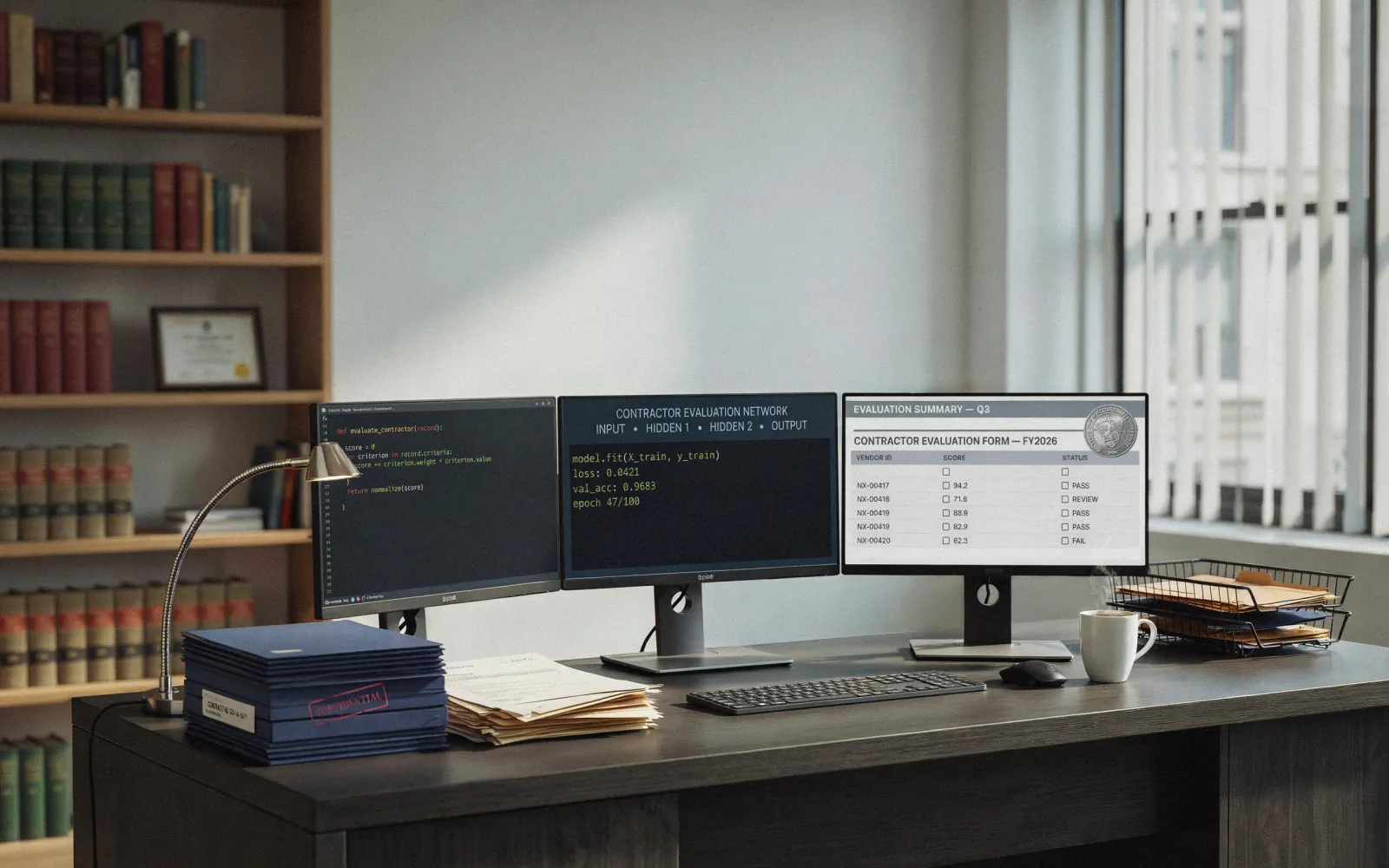
Federal agencies are increasingly experimenting with generative artificial‑intelligence (AI) tools to help evaluate proposals, but the practice is raising legal and bid‑protest concerns. The issue, described as “shadow AI,” refers to the use of AI by agency evaluators without formal approval, oversight, or disclosure to offerors.
The core problem is that many solicitations do not inform contractors that AI‑assisted evaluation will be used. When evaluators rely on generative AI to summarize proposals, identify strengths and weaknesses, or draft technical findings, the resulting analysis can contain factual inaccuracies, unstated evaluation criteria, and inconsistent judgments. Because federal procurement law requires agencies to evaluate proposals fairly, rationally, and in line with the solicitation’s stated criteria, an AI‑generated record can be difficult for an agency to defend.
Contractors may have grounds to challenge a procurement at the Government Accountability Office (GAO) or the U.S. Court of Federal Claims (COFC) if they can show that AI‑assisted evaluation introduced errors or omitted critical information. The GAO and COFC have already dealt with bid‑protest cases that involve AI‑generated citations and hallucinations. In 2025, the GAO warned protestors that reliance on AI‑generated content could lead to sanctions.
Debriefings are becoming a key source of evidence that evaluators used generative AI. Because agencies rarely disclose shadow AI usage, contractors must scrutinize debriefing materials and evaluation narratives for signs of AI influence. Potential warning signs include:
Generic or repetitive language that does not reflect the specific content of a proposal. Misstatements of proposal content or technical approaches. Evaluation findings that emphasize concepts not found in the solicitation. Lack of explanation for how conclusions were reached. * Internal documents that show abrupt stylistic shifts or boilerplate language.
If a contractor can demonstrate that an agency’s evaluation record contains AI artifacts, the contractor may argue that the procurement was arbitrary or capricious.
Practical steps for contractors include asking detailed questions about the evaluation methodology during debriefings, comparing evaluation language for machine‑generated patterns, and ensuring that proposals are organized with clear, precise terminology. Structured technical explanations can reduce the risk that an AI summarizer will distort or omit key details.
The issue is not limited to a single agency. The federal procurement landscape is vast, with the Office of Federal Procurement Policy overseeing procedures across the United States. In October 2025, President Trump nominated Kevin Rhodes as the next Administrator of the Office of Federal Procurement Policy, a position that will oversee procurement practices nationwide.
The rise of shadow AI in procurement highlights a broader tension between innovation and compliance. While AI can increase efficiency, it also introduces new risks. Agencies must maintain a defensible administrative record, preserve AI‑generated materials, and provide transparency to offerors. Failure to do so could expose agencies to bid‑protest litigation and undermine confidence in the procurement process.
In summary, federal contractors should treat the use of generative AI in proposal evaluation as a potential legal risk. By carefully reviewing debriefings, identifying AI‑related artifacts, and structuring proposals to minimize misunderstanding, contractors can better protect themselves against bid‑protest challenges. Agencies, meanwhile, must ensure that any AI assistance is governed, documented, and disclosed to comply with procurement law.
The core problem is that many solicitations do not inform contractors that AI‑assisted evaluation will be used. When evaluators rely on generative AI to summarize proposals, identify strengths and weaknesses, or draft technical findings, the resulting analysis can contain factual inaccuracies, unstated evaluation criteria, and inconsistent judgments. Because federal procurement law requires agencies to evaluate proposals fairly, rationally, and in line with the solicitation’s stated criteria, an AI‑generated record can be difficult for an agency to defend.
Contractors may have grounds to challenge a procurement at the Government Accountability Office (GAO) or the U.S. Court of Federal Claims (COFC) if they can show that AI‑assisted evaluation introduced errors or omitted critical information. The GAO and COFC have already dealt with bid‑protest cases that involve AI‑generated citations and hallucinations. In 2025, the GAO warned protestors that reliance on AI‑generated content could lead to sanctions.
Debriefings are becoming a key source of evidence that evaluators used generative AI. Because agencies rarely disclose shadow AI usage, contractors must scrutinize debriefing materials and evaluation narratives for signs of AI influence. Potential warning signs include:
Generic or repetitive language that does not reflect the specific content of a proposal. Misstatements of proposal content or technical approaches. Evaluation findings that emphasize concepts not found in the solicitation. Lack of explanation for how conclusions were reached. * Internal documents that show abrupt stylistic shifts or boilerplate language.
If a contractor can demonstrate that an agency’s evaluation record contains AI artifacts, the contractor may argue that the procurement was arbitrary or capricious.
Practical steps for contractors include asking detailed questions about the evaluation methodology during debriefings, comparing evaluation language for machine‑generated patterns, and ensuring that proposals are organized with clear, precise terminology. Structured technical explanations can reduce the risk that an AI summarizer will distort or omit key details.
The issue is not limited to a single agency. The federal procurement landscape is vast, with the Office of Federal Procurement Policy overseeing procedures across the United States. In October 2025, President Trump nominated Kevin Rhodes as the next Administrator of the Office of Federal Procurement Policy, a position that will oversee procurement practices nationwide.
The rise of shadow AI in procurement highlights a broader tension between innovation and compliance. While AI can increase efficiency, it also introduces new risks. Agencies must maintain a defensible administrative record, preserve AI‑generated materials, and provide transparency to offerors. Failure to do so could expose agencies to bid‑protest litigation and undermine confidence in the procurement process.
In summary, federal contractors should treat the use of generative AI in proposal evaluation as a potential legal risk. By carefully reviewing debriefings, identifying AI‑related artifacts, and structuring proposals to minimize misunderstanding, contractors can better protect themselves against bid‑protest challenges. Agencies, meanwhile, must ensure that any AI assistance is governed, documented, and disclosed to comply with procurement law.





