Blab AI
BrentWorks Launches CiteSentinel to Verify AI-Generated Legal Citations
On Thursday, May 16 2026, Los Angeles‑based legal‑tech startup BrentWorks Inc. rolled out CiteSentinel, a new platform that scans legal documents for citations that may have been fabricated or misstated by generative AI tools.
CiteSentinel’s purpose is straightforward: it flags case law, statutes, and other legal authorities that do not exist or are incorrectly cited before a document is filed with a court. The tool was created in response to a growing problem. Courts across the United States have increasingly sanctioned attorneys who submit briefs containing invented case citations—a well‑documented byproduct of large‑language models that produce authoritative‑sounding references that are, in many cases, entirely fictional.
“CiteSentinel is about restoring trust,” said BrentWorks co‑founder Brent Britton, a technology attorney and MIT‑trained engineer. “It lets lawyers move fast with the efficiencies of generative AI while still filing documents reciting authorities they can stand behind.”
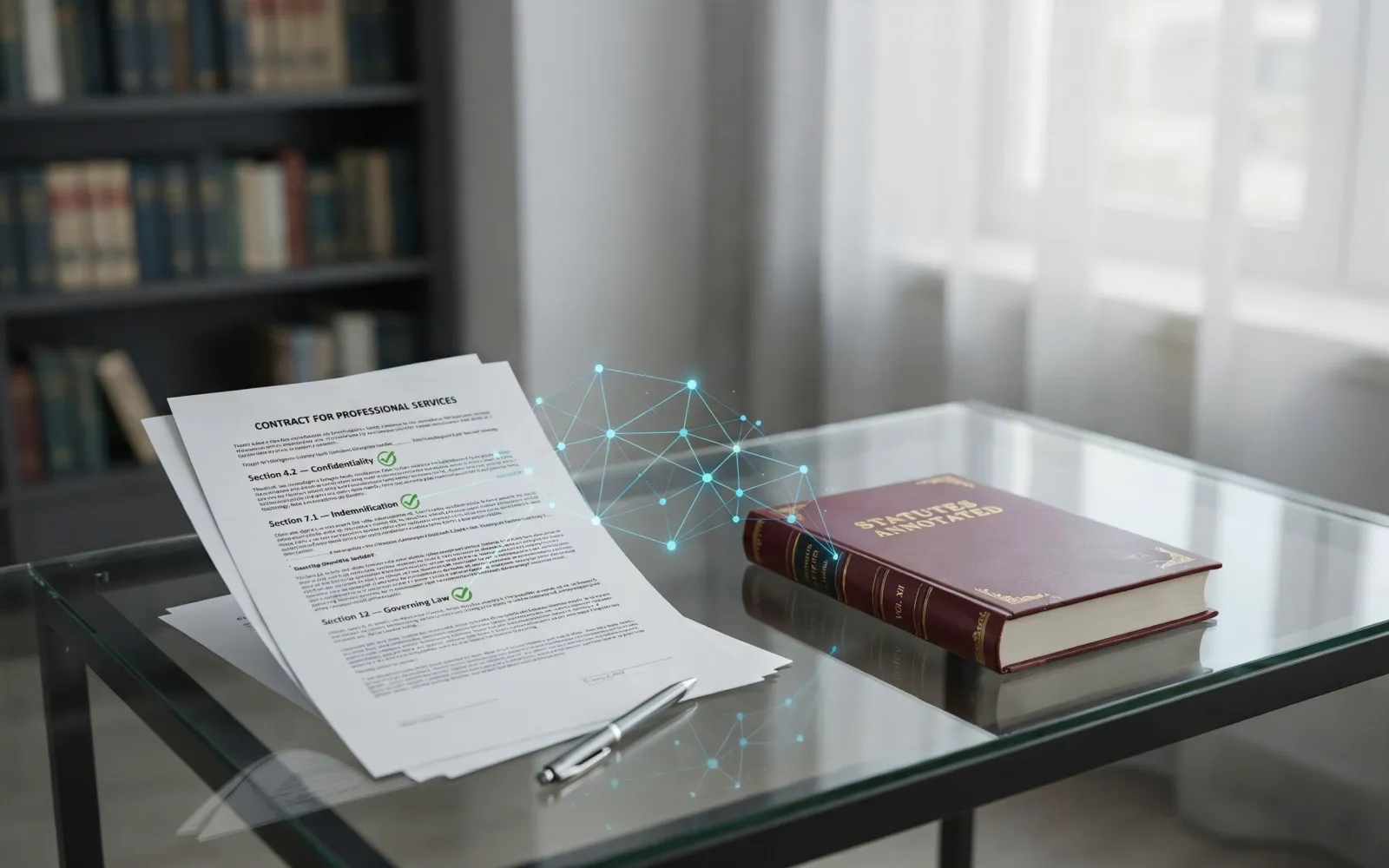
The platform cross‑checks every citation in a document against a database of verified legal authorities. It can be applied to a wide range of filings, from an attorney’s own AI‑assisted drafts to submissions from co‑counsel, contract attorneys, support staff, or even opposing counsel’s filings. According to the company, the ability to identify and challenge citations that simply do not exist gives users a competitive edge.
BrentWorks’ focus on biotechnology litigation stems from the particular risks that AI hallucinations pose in that field. Britton explained that biotech cases often rely on highly technical evidence—patent claims, prior‑art searches, clinical trial data, FDA regulatory history, scientific publications, expert testimony, freedom‑to‑operate analyses, and licensing agreements. In such contexts, an AI system could invent scientific references, mischaracterize FDA guidance, fabricate patent precedents, or incorrectly summarize clinical trial results. “A ghost FDA guidance document or a fabricated prior‑art reference can unravel an entire legal strategy,” Britton said.
CiteSentinel is the first of several tools BrentWorks plans to release for legal practice in the age of AI. The company’s other co‑founder, Brent Hunter, brings a background in applying neural networks to finance since 1993. According to BrentWorks, the platform’s primary purpose is to confirm that the law cited is real, rather than to discover additional information.
The launch comes amid a broader industry push to address AI hallucinations in legal research. Several law firms and court systems have already adopted internal guidelines that require human review of AI‑generated citations. Courts have imposed sanctions on attorneys who submit fabricated references, with more than 1,200 cases recorded last year. CiteSentinel offers a systematic, technology‑based solution that can be integrated into existing document‑review workflows.
Headquartered in Los Angeles, BrentWorks markets CiteSentinel as a tool usable by any legal professional, regardless of whether they employ AI directly. The company says the platform will help attorneys avoid the reputational and financial risks associated with erroneous citations.
In the coming months, BrentWorks plans to expand CiteSentinel’s capabilities to include additional verification checks for statutes and regulatory documents. Future releases may target other high‑stakes domains, such as intellectual‑property litigation and environmental law, where accurate citation is critical.
The tool’s launch reflects a growing recognition that generative AI can produce authoritative‑sounding but false references. By adding a verification layer, CiteSentinel aims to preserve the integrity of legal filings and reduce the likelihood of court sanctions.
Today, CiteSentinel is available to law firms and legal departments that wish to implement a pre‑filing citation check. No public pricing or partnership details have been released yet. The platform is expected to integrate into existing document‑management systems, and the company has indicated that it will offer training and support for attorneys and paralegals.
The broader impact of CiteSentinel will hinge on its adoption rate and the extent to which courts and law firms require AI‑generated citation verification. If widely adopted, the tool could become a standard component of legal drafting workflows, especially in fields where the cost of a fabricated citation is high.
Overall, BrentWorks’ CiteSentinel represents a targeted response to the specific problem of AI hallucinations in legal citations, offering a verification solution that can be applied across a range of legal documents and practice areas.
CiteSentinel’s purpose is straightforward: it flags case law, statutes, and other legal authorities that do not exist or are incorrectly cited before a document is filed with a court. The tool was created in response to a growing problem. Courts across the United States have increasingly sanctioned attorneys who submit briefs containing invented case citations—a well‑documented byproduct of large‑language models that produce authoritative‑sounding references that are, in many cases, entirely fictional.
“CiteSentinel is about restoring trust,” said BrentWorks co‑founder Brent Britton, a technology attorney and MIT‑trained engineer. “It lets lawyers move fast with the efficiencies of generative AI while still filing documents reciting authorities they can stand behind.”
The platform cross‑checks every citation in a document against a database of verified legal authorities. It can be applied to a wide range of filings, from an attorney’s own AI‑assisted drafts to submissions from co‑counsel, contract attorneys, support staff, or even opposing counsel’s filings. According to the company, the ability to identify and challenge citations that simply do not exist gives users a competitive edge.
BrentWorks’ focus on biotechnology litigation stems from the particular risks that AI hallucinations pose in that field. Britton explained that biotech cases often rely on highly technical evidence—patent claims, prior‑art searches, clinical trial data, FDA regulatory history, scientific publications, expert testimony, freedom‑to‑operate analyses, and licensing agreements. In such contexts, an AI system could invent scientific references, mischaracterize FDA guidance, fabricate patent precedents, or incorrectly summarize clinical trial results. “A ghost FDA guidance document or a fabricated prior‑art reference can unravel an entire legal strategy,” Britton said.
CiteSentinel is the first of several tools BrentWorks plans to release for legal practice in the age of AI. The company’s other co‑founder, Brent Hunter, brings a background in applying neural networks to finance since 1993. According to BrentWorks, the platform’s primary purpose is to confirm that the law cited is real, rather than to discover additional information.
The launch comes amid a broader industry push to address AI hallucinations in legal research. Several law firms and court systems have already adopted internal guidelines that require human review of AI‑generated citations. Courts have imposed sanctions on attorneys who submit fabricated references, with more than 1,200 cases recorded last year. CiteSentinel offers a systematic, technology‑based solution that can be integrated into existing document‑review workflows.
Headquartered in Los Angeles, BrentWorks markets CiteSentinel as a tool usable by any legal professional, regardless of whether they employ AI directly. The company says the platform will help attorneys avoid the reputational and financial risks associated with erroneous citations.
In the coming months, BrentWorks plans to expand CiteSentinel’s capabilities to include additional verification checks for statutes and regulatory documents. Future releases may target other high‑stakes domains, such as intellectual‑property litigation and environmental law, where accurate citation is critical.
The tool’s launch reflects a growing recognition that generative AI can produce authoritative‑sounding but false references. By adding a verification layer, CiteSentinel aims to preserve the integrity of legal filings and reduce the likelihood of court sanctions.
Today, CiteSentinel is available to law firms and legal departments that wish to implement a pre‑filing citation check. No public pricing or partnership details have been released yet. The platform is expected to integrate into existing document‑management systems, and the company has indicated that it will offer training and support for attorneys and paralegals.
The broader impact of CiteSentinel will hinge on its adoption rate and the extent to which courts and law firms require AI‑generated citation verification. If widely adopted, the tool could become a standard component of legal drafting workflows, especially in fields where the cost of a fabricated citation is high.
Overall, BrentWorks’ CiteSentinel represents a targeted response to the specific problem of AI hallucinations in legal citations, offering a verification solution that can be applied across a range of legal documents and practice areas.





