Blab AI
Bill Ackman Warns Investors About AI Stock Valuations Amid Memory Market Surge
Bill Ackman, the high‑profile founder of Pershing Square Capital Management, recently warned investors that the current AI‑driven rally may echo the late‑1990s dot‑com boom. In a candid podcast appearance, he urged traders to scrutinize the lofty valuations and inherent volatility that accompany the surge in AI‑focused stocks.
Ackman’s caution arrives amid a steep climb in AI equities over the past few years. Firms that build data‑center infrastructure, chatbot platforms, and memory chips have surged to the top of trading lists. While the enthusiasm for AI is understandable, he cautions that chasing the newest trend can eclipse more established, quality businesses.
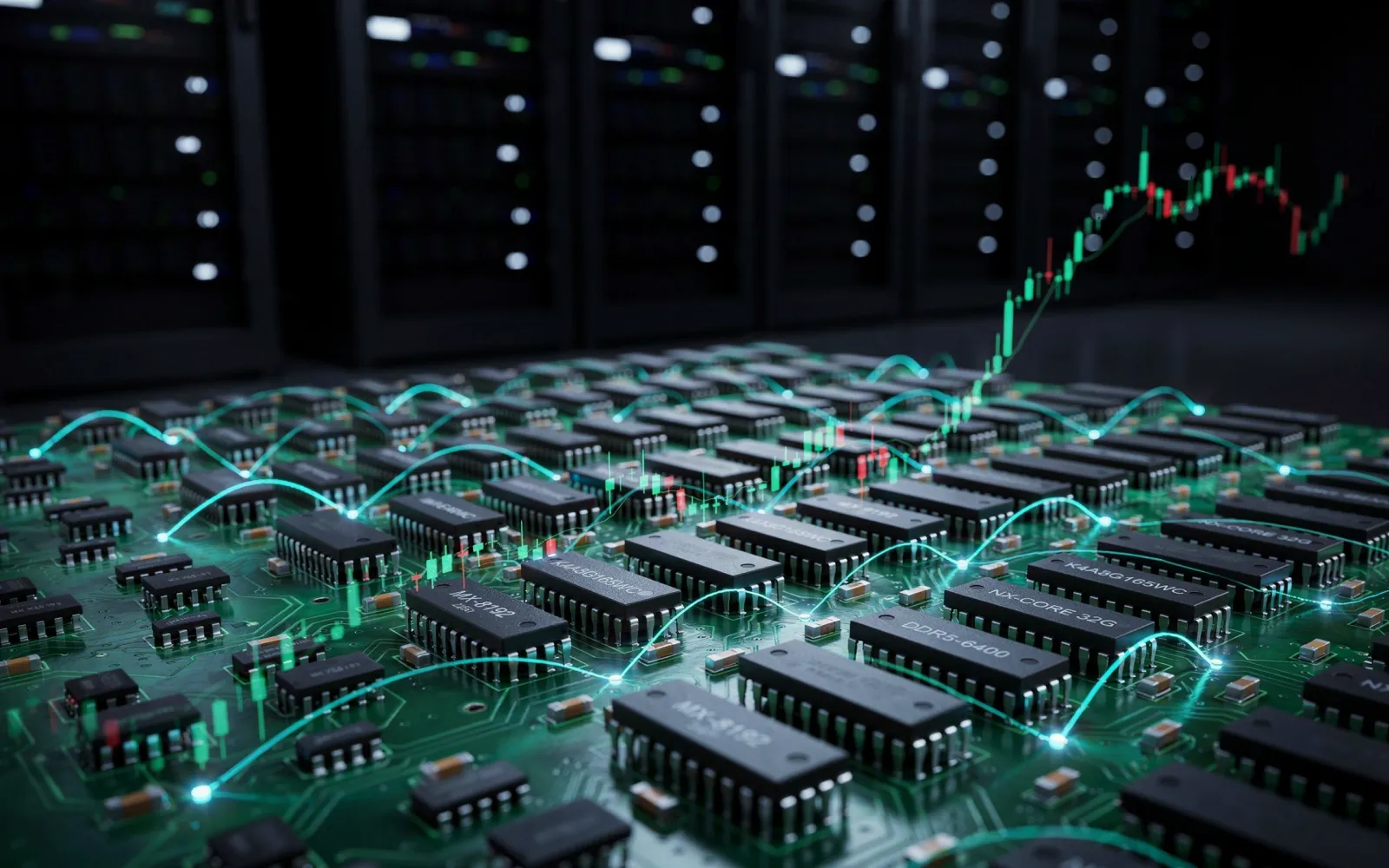
The memory sector exemplifies this dynamic. The Roundhill Memory ETF (ticker DRAM), which went public on April 2, 2026, has already doubled in value since its debut. The fund targets companies that design, manufacture, and supply semiconductor memory products—including DRAM and NAND flash—and its top holdings include Samsung Electronics, SK Hynix, Micron Technology, Kioxia, and SanDisk. Micron, in particular, has seen its market capitalization reach $1 trillion as demand for high‑bandwidth memory (HBM) from AI workloads has surged.
Yet the rapid price gains and supply constraints have made the memory market highly volatile. A global shortage that began in 2024 has driven up prices for DRAM and NAND dramatically, and some analysts note that HBM demand is crowding out capacity for commodity DRAM. Micron’s own financial reports show a sharp year‑over‑year revenue jump in the second quarter of 2026, but the company’s forward price‑to‑earnings ratio has been described by analysts as resembling a cyclical value trap rather than a secular growth story.
From an investment perspective, the current environment may favor value‑oriented strategies. Ackman’s remarks suggest that investors who have concentrated on the hottest AI names could face significant losses if the market corrects. In contrast, the Motley Fool Stock Advisor’s most recent list of top ten stocks for investors to buy does not include the Roundhill Memory ETF. The advisor’s list, which has historically outperformed the S&P 500, highlights the potential for higher returns in companies that are not yet saturated by AI‑driven demand.
The situation underscores the risk of chasing short‑term trends. While AI continues to drive demand for memory and other components, the high valuations of the sector mean that a downturn could lead to steep declines. Investors who have built portfolios heavily weighted toward AI‑related stocks may need to reassess their exposure and consider diversifying into more mature, lower‑valuation companies.
In summary, Bill Ackman’s warning reflects a broader concern that the AI boom has inflated valuations in several related sectors, particularly memory. The Roundhill Memory ETF’s rapid rise and Micron’s trillion‑dollar market cap illustrate the sector’s current exuberance, but also its fragility. As the market continues to evolve, investors will need to weigh the potential upside of AI against the risks of overvaluation and supply‑chain constraints.
Ackman’s caution arrives amid a steep climb in AI equities over the past few years. Firms that build data‑center infrastructure, chatbot platforms, and memory chips have surged to the top of trading lists. While the enthusiasm for AI is understandable, he cautions that chasing the newest trend can eclipse more established, quality businesses.
The memory sector exemplifies this dynamic. The Roundhill Memory ETF (ticker DRAM), which went public on April 2, 2026, has already doubled in value since its debut. The fund targets companies that design, manufacture, and supply semiconductor memory products—including DRAM and NAND flash—and its top holdings include Samsung Electronics, SK Hynix, Micron Technology, Kioxia, and SanDisk. Micron, in particular, has seen its market capitalization reach $1 trillion as demand for high‑bandwidth memory (HBM) from AI workloads has surged.
Yet the rapid price gains and supply constraints have made the memory market highly volatile. A global shortage that began in 2024 has driven up prices for DRAM and NAND dramatically, and some analysts note that HBM demand is crowding out capacity for commodity DRAM. Micron’s own financial reports show a sharp year‑over‑year revenue jump in the second quarter of 2026, but the company’s forward price‑to‑earnings ratio has been described by analysts as resembling a cyclical value trap rather than a secular growth story.
From an investment perspective, the current environment may favor value‑oriented strategies. Ackman’s remarks suggest that investors who have concentrated on the hottest AI names could face significant losses if the market corrects. In contrast, the Motley Fool Stock Advisor’s most recent list of top ten stocks for investors to buy does not include the Roundhill Memory ETF. The advisor’s list, which has historically outperformed the S&P 500, highlights the potential for higher returns in companies that are not yet saturated by AI‑driven demand.
The situation underscores the risk of chasing short‑term trends. While AI continues to drive demand for memory and other components, the high valuations of the sector mean that a downturn could lead to steep declines. Investors who have built portfolios heavily weighted toward AI‑related stocks may need to reassess their exposure and consider diversifying into more mature, lower‑valuation companies.
In summary, Bill Ackman’s warning reflects a broader concern that the AI boom has inflated valuations in several related sectors, particularly memory. The Roundhill Memory ETF’s rapid rise and Micron’s trillion‑dollar market cap illustrate the sector’s current exuberance, but also its fragility. As the market continues to evolve, investors will need to weigh the potential upside of AI against the risks of overvaluation and supply‑chain constraints.





