Blab AI
Trump Administration Requests Limited Release of OpenAIs GPT-5.6
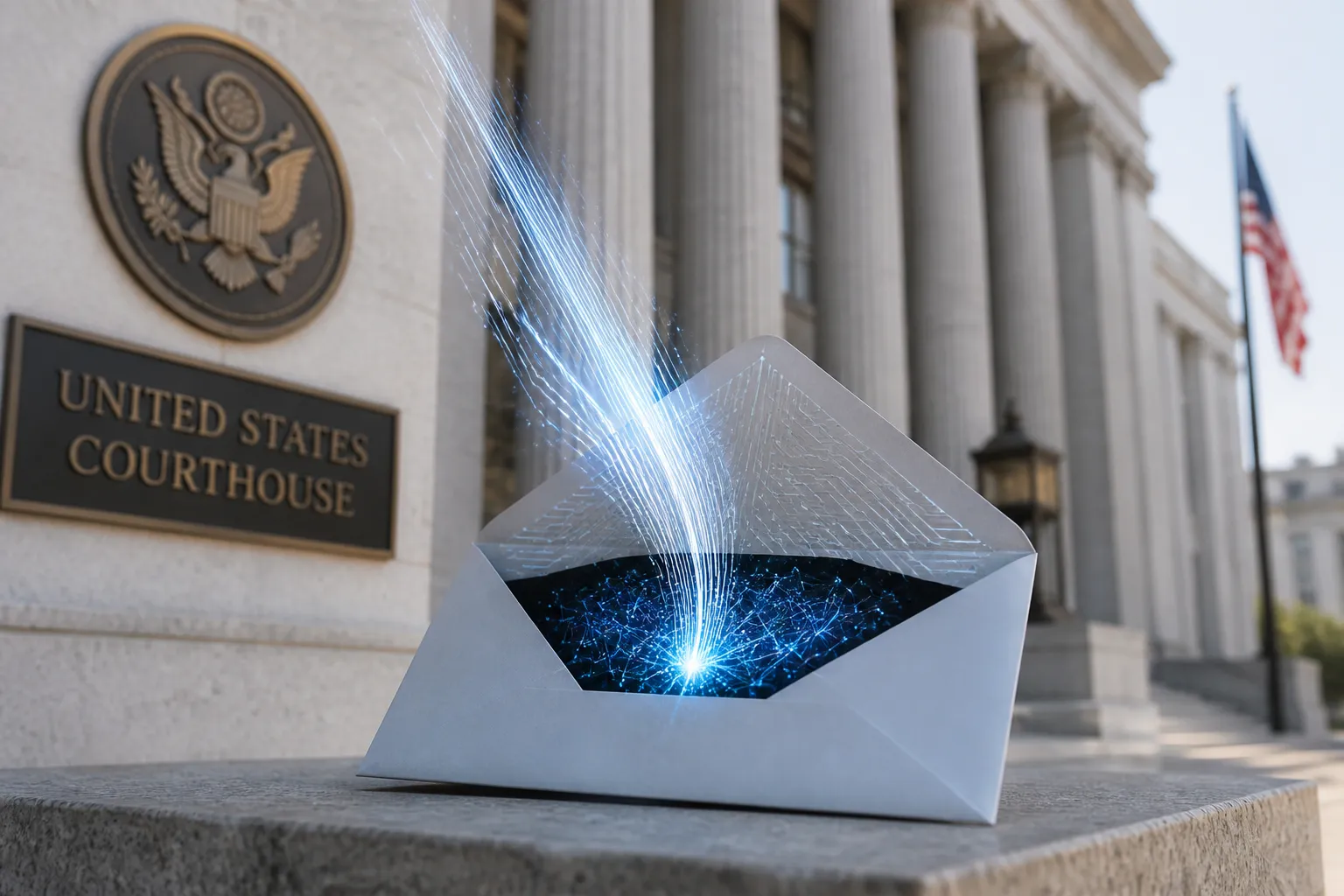
In a move that underscores the growing tension between innovation and oversight, the Trump administration has asked OpenAI to confine the rollout of its next large‑language model, GPT‑5.6, to a select group of government‑approved partners. The request originates from the Office of the National Cyber Director and the Office of Science and Technology Policy, according to reports in The Information.
OpenAI’s chief executive, Sam Altman, confirmed the restricted release in a memo to staff. The memo noted that GPT‑5.6 was not intended as a long‑term product and that the company would collaborate with the government and industry to develop a sustainable framework for future launches. Altman also spoke with Commerce Secretary Howard Lutnick about the model on Wednesday, as Axios reported.
The government’s intervention is driven by GPT‑5.6’s “Mythos‑like” capabilities—a term the administration uses to describe the model’s advanced reasoning and dual‑use potential. A source said the focus is on ensuring that companies implement adequate safeguards for highly advanced AI models.
OpenAI and the White House have yet to respond to requests for comment. The move follows a broader pattern of the Trump administration’s scrutiny of cutting‑edge AI systems.
Anthropic, another U.S. AI startup, was recently directed to block foreign nationals from accessing its Fable 5 and Mythos 5 models. The company complied, and the models were taken offline worldwide. President Donald Trump said he had initially viewed Anthropic as a national‑security risk but now believes the startup acted responsibly after following the directive.
White House AI and crypto czar David Sacks said the administration grew concerned that Anthropic’s models could be used as cyberweapons after reported jailbreak vulnerabilities in the Fable model. Officials described the systems as potentially dual‑use because of their advanced capabilities.
OpenAI is also reportedly considering delaying its initial public offering until next year. Advisers have recommended waiting for more stable market conditions. The company had been preparing for a late‑2026 listing and filed draft registration documents with the SEC earlier this month, while CEO Sam Altman pursued a $1 trillion valuation.
The request to limit GPT‑5.6’s distribution reflects the administration’s broader effort to regulate AI technology. The framework under development will likely include testing protocols, security assessments, and compliance requirements for new models. The goal is to prevent misuse while allowing commercial deployment.
Industry observers note that the decision could affect OpenAI’s competitive position. GPT‑5.6 is expected to offer significant improvements over GPT‑5.5, which was released in April 2026. The limited rollout would mean that only a handful of partners could access the model before a wider release, potentially delaying the availability of the technology to developers and businesses.
The administration’s actions also signal to other AI companies that the U.S. government is willing to intervene in the release of high‑capability models. Anthropic’s experience may serve as a precedent for future interactions between the government and AI firms.
As the AI industry continues to evolve, the balance between innovation and security remains a central issue. The outcome of the Trump administration’s request will likely influence how other governments approach AI regulation and how companies plan their product roadmaps.
The situation remains fluid. OpenAI has not yet confirmed whether it will comply with the request, and the administration has not announced a formal policy or regulatory framework. The next few weeks will be critical for determining whether GPT‑5.6 will be released under a restricted partnership model or whether the company will proceed with a broader rollout.
In the meantime, investors and developers are watching closely. The potential delay in the IPO and the limited release of GPT‑5.6 could impact OpenAI’s valuation and the broader AI market. The industry will also be monitoring how the government’s framework for AI security testing develops and whether it will set a standard for other jurisdictions.
The current situation underscores the growing intersection of AI technology, national security concerns, and regulatory oversight. The outcome will shape the trajectory of AI deployment in the United States and potentially influence global AI policy discussions.
OpenAI’s chief executive, Sam Altman, confirmed the restricted release in a memo to staff. The memo noted that GPT‑5.6 was not intended as a long‑term product and that the company would collaborate with the government and industry to develop a sustainable framework for future launches. Altman also spoke with Commerce Secretary Howard Lutnick about the model on Wednesday, as Axios reported.
The government’s intervention is driven by GPT‑5.6’s “Mythos‑like” capabilities—a term the administration uses to describe the model’s advanced reasoning and dual‑use potential. A source said the focus is on ensuring that companies implement adequate safeguards for highly advanced AI models.
OpenAI and the White House have yet to respond to requests for comment. The move follows a broader pattern of the Trump administration’s scrutiny of cutting‑edge AI systems.
Anthropic, another U.S. AI startup, was recently directed to block foreign nationals from accessing its Fable 5 and Mythos 5 models. The company complied, and the models were taken offline worldwide. President Donald Trump said he had initially viewed Anthropic as a national‑security risk but now believes the startup acted responsibly after following the directive.
White House AI and crypto czar David Sacks said the administration grew concerned that Anthropic’s models could be used as cyberweapons after reported jailbreak vulnerabilities in the Fable model. Officials described the systems as potentially dual‑use because of their advanced capabilities.
OpenAI is also reportedly considering delaying its initial public offering until next year. Advisers have recommended waiting for more stable market conditions. The company had been preparing for a late‑2026 listing and filed draft registration documents with the SEC earlier this month, while CEO Sam Altman pursued a $1 trillion valuation.
The request to limit GPT‑5.6’s distribution reflects the administration’s broader effort to regulate AI technology. The framework under development will likely include testing protocols, security assessments, and compliance requirements for new models. The goal is to prevent misuse while allowing commercial deployment.
Industry observers note that the decision could affect OpenAI’s competitive position. GPT‑5.6 is expected to offer significant improvements over GPT‑5.5, which was released in April 2026. The limited rollout would mean that only a handful of partners could access the model before a wider release, potentially delaying the availability of the technology to developers and businesses.
The administration’s actions also signal to other AI companies that the U.S. government is willing to intervene in the release of high‑capability models. Anthropic’s experience may serve as a precedent for future interactions between the government and AI firms.
As the AI industry continues to evolve, the balance between innovation and security remains a central issue. The outcome of the Trump administration’s request will likely influence how other governments approach AI regulation and how companies plan their product roadmaps.
The situation remains fluid. OpenAI has not yet confirmed whether it will comply with the request, and the administration has not announced a formal policy or regulatory framework. The next few weeks will be critical for determining whether GPT‑5.6 will be released under a restricted partnership model or whether the company will proceed with a broader rollout.
In the meantime, investors and developers are watching closely. The potential delay in the IPO and the limited release of GPT‑5.6 could impact OpenAI’s valuation and the broader AI market. The industry will also be monitoring how the government’s framework for AI security testing develops and whether it will set a standard for other jurisdictions.
The current situation underscores the growing intersection of AI technology, national security concerns, and regulatory oversight. The outcome will shape the trajectory of AI deployment in the United States and potentially influence global AI policy discussions.





