Blab AI
Robotics and AI Transform Medicine: Experts Discuss Advances, Ethics, and Accessibility
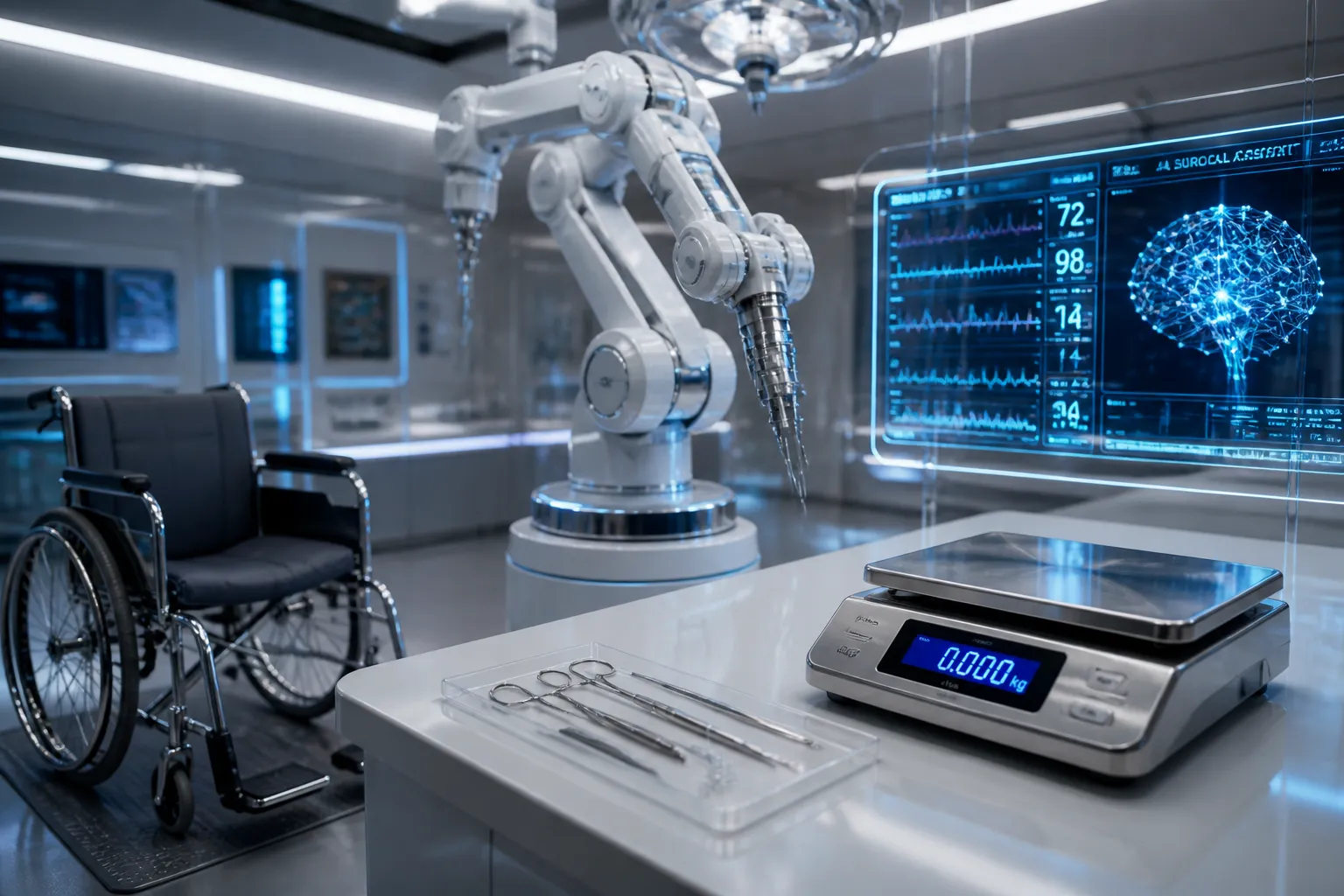
Robotics and AI are reshaping medicine, a trend that has accelerated over the past four decades. The first robot‑assisted surgery, performed more than 40 years ago, set the stage for a wave of innovations that now span diagnosis, surgery, rehabilitation and beyond. In a recent live recording at the Great Exhibition Road Festival in London, journalist Claire spoke with three leading researchers—George Mylonas of Imperial College London, Antonia Tzemanaki of the University of Bristol, and Tom Vercauteren of King’s College London—to discuss the current state of medical robotics, the technical advances driving it, and the ethical and regulatory questions that accompany increased autonomy.
George Mylonas is an associate professor in Robotics and Technology in Cancer at Imperial College. He directs the Human‑centred Automation, Robotics and Monitoring in Surgery laboratory at the Hamlyn Centre, part of the Institute of Global Health Innovation. Mylonas’s research portfolio covers surgical robotics, soft robotics, minimal‑access surgical technology, perceptual human‑robot and human‑computer interfaces, and data‑driven operating theatres. He is also a member of the European Association of Endoscopic Surgery Technology Committee, a role that places him at the intersection of research and clinical practice. In the interview, Mylonas explained how soft‑robotic tools can reduce tissue trauma during minimally invasive procedures and how machine‑learning models can help surgeons anticipate instrument‑tissue interactions in real time.
Antonia Tzemanaki, a senior lecturer in robotics at the University of Bristol, leads the Dexterous Manipulation and Wearable Robotics group within the Bristol Robotics Laboratory. Her team develops robotic simulators and interventions that include robotic needle steering, abdominal, urology, skull and hand models. The work is aimed at treating cancers, neurological disorders, prostate and urinary conditions, and is also applied to rehabilitation and physiotherapy. Tzemanaki highlighted the importance of haptic feedback and wearable exoskeletons for precise manipulation, noting that these technologies are now being tested in clinical trials to improve surgical outcomes and patient recovery times.
Tom Vercauteren is a professor of Interventional Image Computing at King’s College London and the chief scientific officer of Hypervision Surgical, a spin‑out company that delivers safe, non‑invasive optical imaging for use during surgery. Vercauteren’s research focuses on medical image computing, machine learning, and imaging for surgery and interventional sciences. He explained that hyperspectral imaging can provide surgeons with real‑time information about tissue composition and blood flow, potentially reducing complications. Hypervision’s technology is already in use in hundreds of hospitals worldwide, and Vercauteren emphasized the company’s commitment to open‑source software and patient involvement in product development.
The conversation also addressed broader concerns that accompany the rise of autonomous medical devices. The experts agreed that ethical issues—such as accountability for decisions made by learning systems—must be addressed through clear regulatory frameworks. They noted that current medical device regulations are designed for static products, and that adaptive algorithms pose new challenges for certification and post‑market surveillance. Accessibility was another key theme; the researchers stressed that advanced robotic systems can be expensive, and that without deliberate policy and funding mechanisms, disparities in care could widen.
While the interview focused on the technical and ethical dimensions of medical robotics, it also highlighted the collaborative nature of the field. Mylonas, Tzemanaki and Vercauteren all work closely with clinicians, industry partners and regulatory bodies. Their projects illustrate how interdisciplinary teams are translating laboratory breakthroughs into tools that can be adopted in hospitals. For example, Mylonas’s data‑driven operating theatres are being piloted in several UK teaching hospitals, and Tzemanaki’s wearable exoskeletons are currently in a phase‑II clinical trial for post‑stroke rehabilitation.
The live recording was part of the Robot Talk podcast series, which explores robotics, AI and autonomous machines. By bringing together experts from academia and industry, the episode provided listeners with a grounded view of how robotics and AI are reshaping healthcare. It also underscored the need for ongoing dialogue among scientists, clinicians, regulators and patients to ensure that the benefits of these technologies are realized safely and equitably.
In summary, the interview with Mylonas, Tzemanaki and Vercauteren captured the current momentum in medical robotics. Their work demonstrates that advances in soft robotics, wearable manipulation, and machine‑learning‑enhanced imaging are already influencing surgical practice and patient care. At the same time, the conversation highlighted that ethical, regulatory and accessibility challenges must be addressed to fully realize the potential of autonomous medical devices. As the field continues to evolve, coordinated efforts among researchers, clinicians, industry and regulators will be essential to guide responsible innovation in healthcare.
George Mylonas is an associate professor in Robotics and Technology in Cancer at Imperial College. He directs the Human‑centred Automation, Robotics and Monitoring in Surgery laboratory at the Hamlyn Centre, part of the Institute of Global Health Innovation. Mylonas’s research portfolio covers surgical robotics, soft robotics, minimal‑access surgical technology, perceptual human‑robot and human‑computer interfaces, and data‑driven operating theatres. He is also a member of the European Association of Endoscopic Surgery Technology Committee, a role that places him at the intersection of research and clinical practice. In the interview, Mylonas explained how soft‑robotic tools can reduce tissue trauma during minimally invasive procedures and how machine‑learning models can help surgeons anticipate instrument‑tissue interactions in real time.
Antonia Tzemanaki, a senior lecturer in robotics at the University of Bristol, leads the Dexterous Manipulation and Wearable Robotics group within the Bristol Robotics Laboratory. Her team develops robotic simulators and interventions that include robotic needle steering, abdominal, urology, skull and hand models. The work is aimed at treating cancers, neurological disorders, prostate and urinary conditions, and is also applied to rehabilitation and physiotherapy. Tzemanaki highlighted the importance of haptic feedback and wearable exoskeletons for precise manipulation, noting that these technologies are now being tested in clinical trials to improve surgical outcomes and patient recovery times.
Tom Vercauteren is a professor of Interventional Image Computing at King’s College London and the chief scientific officer of Hypervision Surgical, a spin‑out company that delivers safe, non‑invasive optical imaging for use during surgery. Vercauteren’s research focuses on medical image computing, machine learning, and imaging for surgery and interventional sciences. He explained that hyperspectral imaging can provide surgeons with real‑time information about tissue composition and blood flow, potentially reducing complications. Hypervision’s technology is already in use in hundreds of hospitals worldwide, and Vercauteren emphasized the company’s commitment to open‑source software and patient involvement in product development.
The conversation also addressed broader concerns that accompany the rise of autonomous medical devices. The experts agreed that ethical issues—such as accountability for decisions made by learning systems—must be addressed through clear regulatory frameworks. They noted that current medical device regulations are designed for static products, and that adaptive algorithms pose new challenges for certification and post‑market surveillance. Accessibility was another key theme; the researchers stressed that advanced robotic systems can be expensive, and that without deliberate policy and funding mechanisms, disparities in care could widen.
While the interview focused on the technical and ethical dimensions of medical robotics, it also highlighted the collaborative nature of the field. Mylonas, Tzemanaki and Vercauteren all work closely with clinicians, industry partners and regulatory bodies. Their projects illustrate how interdisciplinary teams are translating laboratory breakthroughs into tools that can be adopted in hospitals. For example, Mylonas’s data‑driven operating theatres are being piloted in several UK teaching hospitals, and Tzemanaki’s wearable exoskeletons are currently in a phase‑II clinical trial for post‑stroke rehabilitation.
The live recording was part of the Robot Talk podcast series, which explores robotics, AI and autonomous machines. By bringing together experts from academia and industry, the episode provided listeners with a grounded view of how robotics and AI are reshaping healthcare. It also underscored the need for ongoing dialogue among scientists, clinicians, regulators and patients to ensure that the benefits of these technologies are realized safely and equitably.
In summary, the interview with Mylonas, Tzemanaki and Vercauteren captured the current momentum in medical robotics. Their work demonstrates that advances in soft robotics, wearable manipulation, and machine‑learning‑enhanced imaging are already influencing surgical practice and patient care. At the same time, the conversation highlighted that ethical, regulatory and accessibility challenges must be addressed to fully realize the potential of autonomous medical devices. As the field continues to evolve, coordinated efforts among researchers, clinicians, industry and regulators will be essential to guide responsible innovation in healthcare.





