Blab AI
T1 Energy Grows Amid AI-Driven Power Demand and Texas Solar Surge
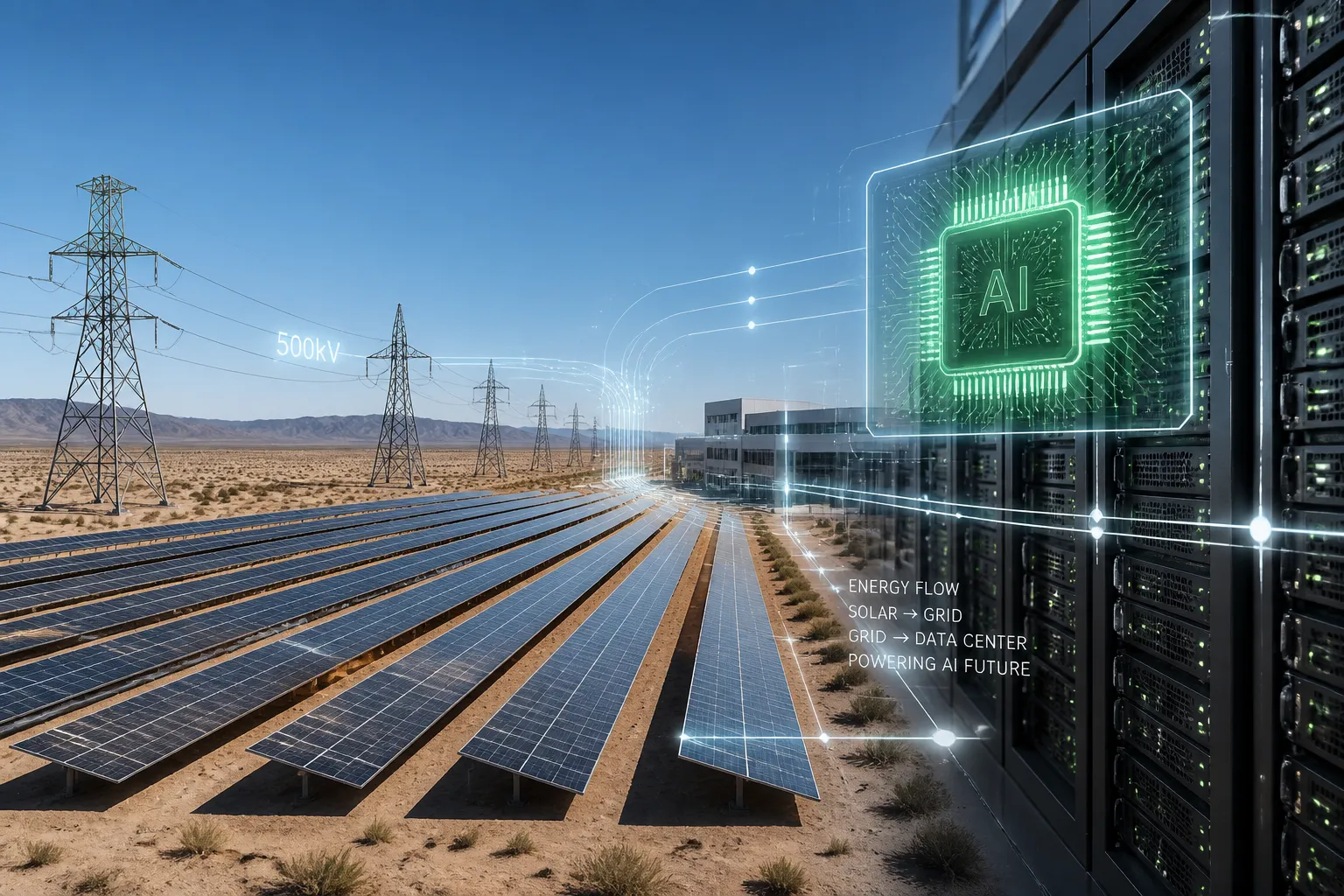
Texas’ solar boom is being powered by AI’s insatiable appetite for electricity, and T1 Energy (NYSE:TE) is positioned to ride that wave.
The company, which builds solar modules and is building a solar‑cell factory, supplies utility‑scale developers across the United States. What sets T1 apart is its fully domestic supply chain, from polysilicon production to finished panels. Analysts point out that this vertical integration could become a strategic advantage as the Inflation Reduction Act (IRA) tightens clean‑energy tax credits for equipment sourced from foreign entities of concern, especially China.
A key driver of T1’s growth narrative is the projected rise in electricity demand from AI data centers. These facilities consume vast amounts of power, and utility‑scale solar remains the fastest and cheapest way to add new capacity. According to the U.S. Energy Information Administration (EIA), Texas’ ERCOT grid will see utility‑scale solar generation exceed coal output this year, reaching 78 billion kilowatt‑hours (kWh). The EIA also projects that solar output will climb to 99 billion kWh by 2027. With two manufacturing sites located in Texas, T1 is primed to benefit directly from this regional shift.
Short sellers have taken positions against the stock. Fuzzy Panda Research disclosed a short position in T1, citing alleged undisclosed ties to China, potential risks related to IRA tax credits, and concerns about accounting practices. The market largely ignored the report, and the stock rebounded sharply. Current short interest stands at 17.58%.
Northland Capital recently added coverage, issuing an Outperform rating and a $16 price target. Analyst Gus Richard highlighted the advantage of utility‑scale solar as the least expensive and fastest source of new electricity, noting that alternatives such as new natural‑gas and nuclear plants require years to deploy and cost significantly more.
While the company’s fundamentals appear solid, the investment community remains cautious. Some analysts argue that other AI‑related stocks may offer higher returns within a shorter timeframe. Nonetheless, T1’s position in the domestic solar supply chain and its alignment with the AI‑driven power demand curve provide a compelling case for continued interest.
T1 Energy’s stock performance has shown volatility. Insider activity reports indicate that insiders have sold more shares than they have purchased in recent months. Market data from MarketBeat shows a total insider sale of $190.3 million, with no insider purchases reported.
The company’s valuation and future prospects are also influenced by broader policy developments. The IRA’s clean‑energy tax credits are a significant factor for solar manufacturers, and changes to these incentives could affect T1’s revenue streams. Additionally, the One Big Beautiful Bill Act (OBBBA) introduced in 2025 includes provisions that phase out certain clean‑energy incentives, potentially impacting the solar market.
In summary, T1 Energy’s strategic focus on domestic solar manufacturing, coupled with the projected surge in AI data‑center electricity demand, positions the company to benefit from a shift toward renewable power in Texas. Short‑selling activity and policy uncertainties add risk, but analyst coverage remains positive, citing the company’s moat and the broader tailwinds from AI‑driven energy needs.
The next few months will be critical for T1 Energy as it continues to expand its manufacturing footprint, monitors policy changes related to the IRA and OBBBA, and responds to market sentiment reflected in short‑interest levels. Investors will likely watch the company’s quarterly reports for updates on production capacity, sales to utility‑scale developers, and any changes in its supply‑chain relationships.
Overall, T1 Energy represents a niche intersection of renewable energy manufacturing and the growing demand for power from AI infrastructure, offering a focused investment opportunity within the broader clean‑energy and AI sectors.
The company, which builds solar modules and is building a solar‑cell factory, supplies utility‑scale developers across the United States. What sets T1 apart is its fully domestic supply chain, from polysilicon production to finished panels. Analysts point out that this vertical integration could become a strategic advantage as the Inflation Reduction Act (IRA) tightens clean‑energy tax credits for equipment sourced from foreign entities of concern, especially China.
A key driver of T1’s growth narrative is the projected rise in electricity demand from AI data centers. These facilities consume vast amounts of power, and utility‑scale solar remains the fastest and cheapest way to add new capacity. According to the U.S. Energy Information Administration (EIA), Texas’ ERCOT grid will see utility‑scale solar generation exceed coal output this year, reaching 78 billion kilowatt‑hours (kWh). The EIA also projects that solar output will climb to 99 billion kWh by 2027. With two manufacturing sites located in Texas, T1 is primed to benefit directly from this regional shift.
Short sellers have taken positions against the stock. Fuzzy Panda Research disclosed a short position in T1, citing alleged undisclosed ties to China, potential risks related to IRA tax credits, and concerns about accounting practices. The market largely ignored the report, and the stock rebounded sharply. Current short interest stands at 17.58%.
Northland Capital recently added coverage, issuing an Outperform rating and a $16 price target. Analyst Gus Richard highlighted the advantage of utility‑scale solar as the least expensive and fastest source of new electricity, noting that alternatives such as new natural‑gas and nuclear plants require years to deploy and cost significantly more.
While the company’s fundamentals appear solid, the investment community remains cautious. Some analysts argue that other AI‑related stocks may offer higher returns within a shorter timeframe. Nonetheless, T1’s position in the domestic solar supply chain and its alignment with the AI‑driven power demand curve provide a compelling case for continued interest.
T1 Energy’s stock performance has shown volatility. Insider activity reports indicate that insiders have sold more shares than they have purchased in recent months. Market data from MarketBeat shows a total insider sale of $190.3 million, with no insider purchases reported.
The company’s valuation and future prospects are also influenced by broader policy developments. The IRA’s clean‑energy tax credits are a significant factor for solar manufacturers, and changes to these incentives could affect T1’s revenue streams. Additionally, the One Big Beautiful Bill Act (OBBBA) introduced in 2025 includes provisions that phase out certain clean‑energy incentives, potentially impacting the solar market.
In summary, T1 Energy’s strategic focus on domestic solar manufacturing, coupled with the projected surge in AI data‑center electricity demand, positions the company to benefit from a shift toward renewable power in Texas. Short‑selling activity and policy uncertainties add risk, but analyst coverage remains positive, citing the company’s moat and the broader tailwinds from AI‑driven energy needs.
The next few months will be critical for T1 Energy as it continues to expand its manufacturing footprint, monitors policy changes related to the IRA and OBBBA, and responds to market sentiment reflected in short‑interest levels. Investors will likely watch the company’s quarterly reports for updates on production capacity, sales to utility‑scale developers, and any changes in its supply‑chain relationships.
Overall, T1 Energy represents a niche intersection of renewable energy manufacturing and the growing demand for power from AI infrastructure, offering a focused investment opportunity within the broader clean‑energy and AI sectors.





