Blab AI
California Gas Stations Accused of Using AI to Inflate Prices in Class-Action Lawsuit
Three California residents filed a class‑action lawsuit on June 22, 2026, claiming that a fuel‑pricing firm and a network of gas‑station operators use an artificial‑intelligence (AI) system to raise gasoline prices in a way that violates state antitrust law.
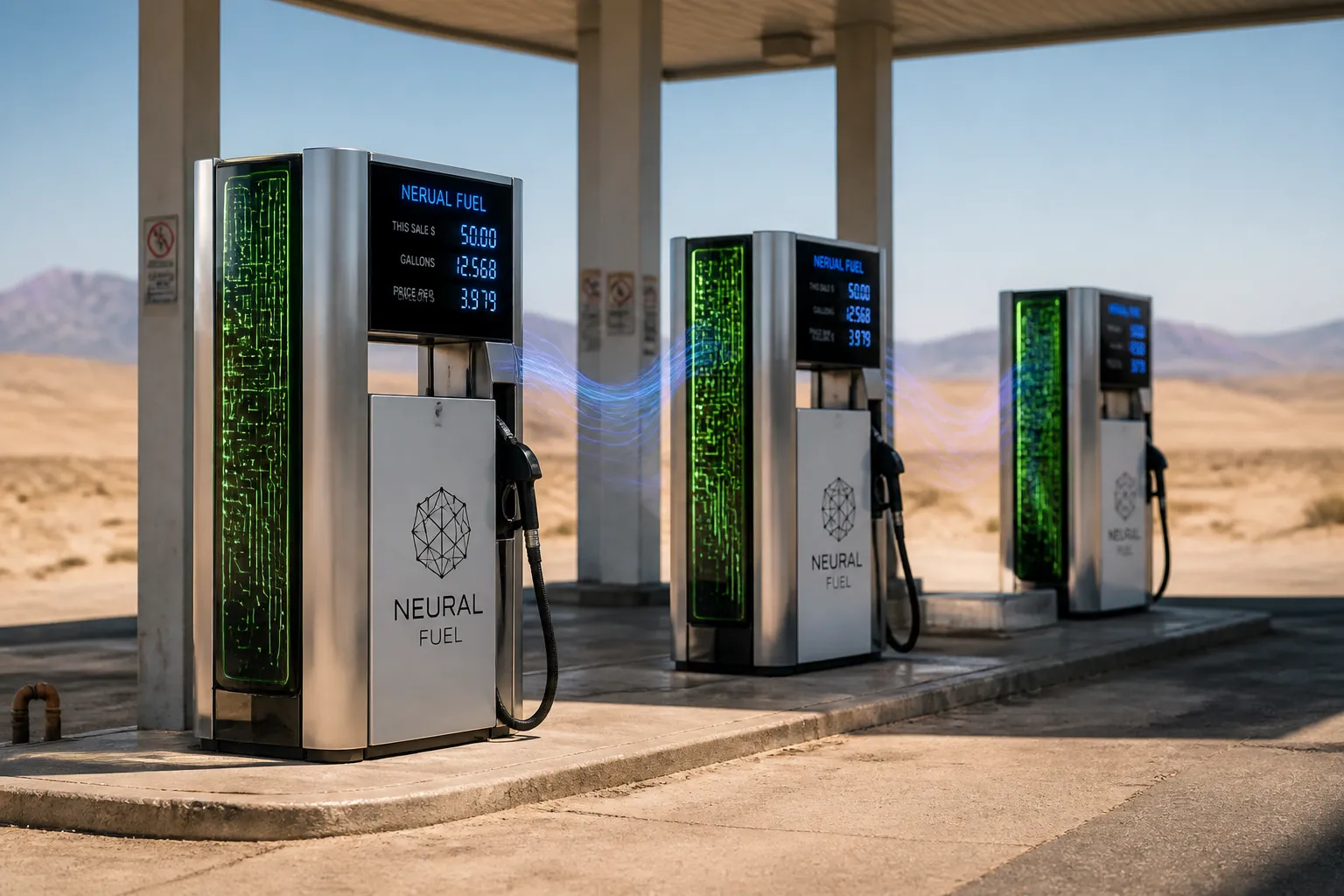
The complaint, lodged in the U.S. District Court for the Eastern District of California, Sacramento Division, names Kalibrate—a company that supplies an AI‑driven pricing platform—as well as 14 gas‑station operators, including 7‑Eleven, Walmart, Sam’s Club and BP. The plaintiffs allege that Kalibrate Fuel Pricing, the algorithm in question, connects directly to pumps and signage and taps data from competing stations to coordinate higher prices rather than to compete.
According to the lawsuit, the system can raise prices simultaneously across a market, creating an “artificial surcharge” that the plaintiffs say burdens California drivers daily. The complaint cites recent pricing data: on June 23, 2026, a gallon of regular gasoline cost $5.56 in California— the highest in the country and more than $1.60 above the national average of $3.92.
Plaintiffs Joel Casciani of Chula Vista, Paola Hartman of Homeland, and Crystal Turnbough of Marysville argue that the defendants’ conduct represents a modern, digital iteration of the price‑fixing and combination practices that California law explicitly forbids. They seek a court order to halt the alleged collusion, restore competition, and compensate drivers for overcharges.
Kalibrate’s public statements describe the platform as delivering “competitive, profitable prices at speed” and emphasize its global reach. The company says it serves more than 20 nations across five continents, processes 8.3 million fuel prices each month, and has 25,000 fuel sites actively priced. It also claims an average weekly profit increase of $331 per site due to AI optimization.
The lawsuit arrives amid a broader context of California’s high gasoline prices. A commentary by defense and engineering expert Mike Fredenburg, published February 23, 2026, attributes the premium to decades of environmental regulations that have reduced domestic oil production and refining capacity. Fredenburg notes that refining capacity has fallen from 2.5 million barrels per day in 1982 to about 1.3 million barrels per day today, while California wells have produced only 300,000 barrels per day compared to over 1 million barrels per day in the early 1980s.
In response to rising fuel costs, California lawmakers introduced the Transportation Fuel Market Transparency Act (S. 4471) in May 2026. According to a statement from Sen. Alex Padilla’s office, the bill would establish a Transportation Fuel Monitoring and Enforcement Unit within the Federal Trade Commission to monitor fuel markets for fraud, manipulation and anti‑competitive behavior. The proposal also calls for increased transparency and higher penalties for bad actors.
The lawsuit’s timing coincides with the bill’s early stages, but the plaintiffs have not yet requested a federal injunction, and the defendants have not responded to comment requests.
If the court determines that the defendants’ use of Kalibrate’s AI system is unlawful, the ruling could reshape the fuel‑retail industry. It would raise questions about the legality of algorithmic pricing in other markets and could prompt regulators to scrutinize similar systems.
At present, the case remains pending. The plaintiffs have asked the court to stop the alleged unlawful combination and to restore competition in California’s retail fuel markets. The outcome will likely influence how AI‑based pricing tools are regulated in the United States.
The lawsuit also highlights the broader debate over the role of AI in commercial pricing. While Kalibrate and other vendors tout the efficiency gains of dynamic pricing, critics argue that such systems can facilitate collusion if not properly monitored.
In the meantime, California consumers continue to face high gasoline prices. The state’s average regular gasoline price of $5.56 per gallon as of June 23, 2026, remains the highest in the country, underscoring the urgency of the plaintiffs’ claims and the potential impact of regulatory action.
The case will be closely watched by industry stakeholders, regulators, and consumers alike as it tests the limits of AI in competitive markets and the effectiveness of existing antitrust laws in the digital age.
The complaint, lodged in the U.S. District Court for the Eastern District of California, Sacramento Division, names Kalibrate—a company that supplies an AI‑driven pricing platform—as well as 14 gas‑station operators, including 7‑Eleven, Walmart, Sam’s Club and BP. The plaintiffs allege that Kalibrate Fuel Pricing, the algorithm in question, connects directly to pumps and signage and taps data from competing stations to coordinate higher prices rather than to compete.
According to the lawsuit, the system can raise prices simultaneously across a market, creating an “artificial surcharge” that the plaintiffs say burdens California drivers daily. The complaint cites recent pricing data: on June 23, 2026, a gallon of regular gasoline cost $5.56 in California— the highest in the country and more than $1.60 above the national average of $3.92.
Plaintiffs Joel Casciani of Chula Vista, Paola Hartman of Homeland, and Crystal Turnbough of Marysville argue that the defendants’ conduct represents a modern, digital iteration of the price‑fixing and combination practices that California law explicitly forbids. They seek a court order to halt the alleged collusion, restore competition, and compensate drivers for overcharges.
Kalibrate’s public statements describe the platform as delivering “competitive, profitable prices at speed” and emphasize its global reach. The company says it serves more than 20 nations across five continents, processes 8.3 million fuel prices each month, and has 25,000 fuel sites actively priced. It also claims an average weekly profit increase of $331 per site due to AI optimization.
The lawsuit arrives amid a broader context of California’s high gasoline prices. A commentary by defense and engineering expert Mike Fredenburg, published February 23, 2026, attributes the premium to decades of environmental regulations that have reduced domestic oil production and refining capacity. Fredenburg notes that refining capacity has fallen from 2.5 million barrels per day in 1982 to about 1.3 million barrels per day today, while California wells have produced only 300,000 barrels per day compared to over 1 million barrels per day in the early 1980s.
In response to rising fuel costs, California lawmakers introduced the Transportation Fuel Market Transparency Act (S. 4471) in May 2026. According to a statement from Sen. Alex Padilla’s office, the bill would establish a Transportation Fuel Monitoring and Enforcement Unit within the Federal Trade Commission to monitor fuel markets for fraud, manipulation and anti‑competitive behavior. The proposal also calls for increased transparency and higher penalties for bad actors.
The lawsuit’s timing coincides with the bill’s early stages, but the plaintiffs have not yet requested a federal injunction, and the defendants have not responded to comment requests.
If the court determines that the defendants’ use of Kalibrate’s AI system is unlawful, the ruling could reshape the fuel‑retail industry. It would raise questions about the legality of algorithmic pricing in other markets and could prompt regulators to scrutinize similar systems.
At present, the case remains pending. The plaintiffs have asked the court to stop the alleged unlawful combination and to restore competition in California’s retail fuel markets. The outcome will likely influence how AI‑based pricing tools are regulated in the United States.
The lawsuit also highlights the broader debate over the role of AI in commercial pricing. While Kalibrate and other vendors tout the efficiency gains of dynamic pricing, critics argue that such systems can facilitate collusion if not properly monitored.
In the meantime, California consumers continue to face high gasoline prices. The state’s average regular gasoline price of $5.56 per gallon as of June 23, 2026, remains the highest in the country, underscoring the urgency of the plaintiffs’ claims and the potential impact of regulatory action.
The case will be closely watched by industry stakeholders, regulators, and consumers alike as it tests the limits of AI in competitive markets and the effectiveness of existing antitrust laws in the digital age.





