Blab AI
Arizona Treasury to Deploy AI-Powered Upgrades to Empowerment Scholarship Account Platform
Arizona’s Empowerment Scholarship Account (ESA) school‑voucher system is set to receive a sweeping technical overhaul that incorporates artificial intelligence, State Treasurer Kimberly Yee announced today. The upgrade, offered at no cost to taxpayers, aims to smooth the user experience for families, tighten financial accountability, and support the program’s continued expansion.
The ESA program, managed by the Arizona Department of Education, lets parents tap education tax dollars for alternative learning options such as private schools or homeschooling. In the most recent school year, more than 100,000 students enrolled in the voucher system. Critics have long raised concerns about a perceived lack of oversight and the possibility of payments for unallowable or fraudulent purchases.
Yee’s announcement follows a March review of the ESA marketplace platform, during which the Treasurer’s Office solicited input from program vendors on how to improve the payment system. While the Department of Education handles day‑to‑day operations, the Treasury is responsible for the program’s financial aspects.
"These new technology enhancements, delivered at no additional cost to taxpayers, will improve the user experience for ESA families, strengthen financial accountability and support the continued growth of Arizona’s nationally recognized Empowerment Scholarship Account program," Yee said in a statement. She added, "By leveraging advanced technology and AI‑driven capabilities, we are providing better service to families while promoting transparency and responsible stewardship of public funds."
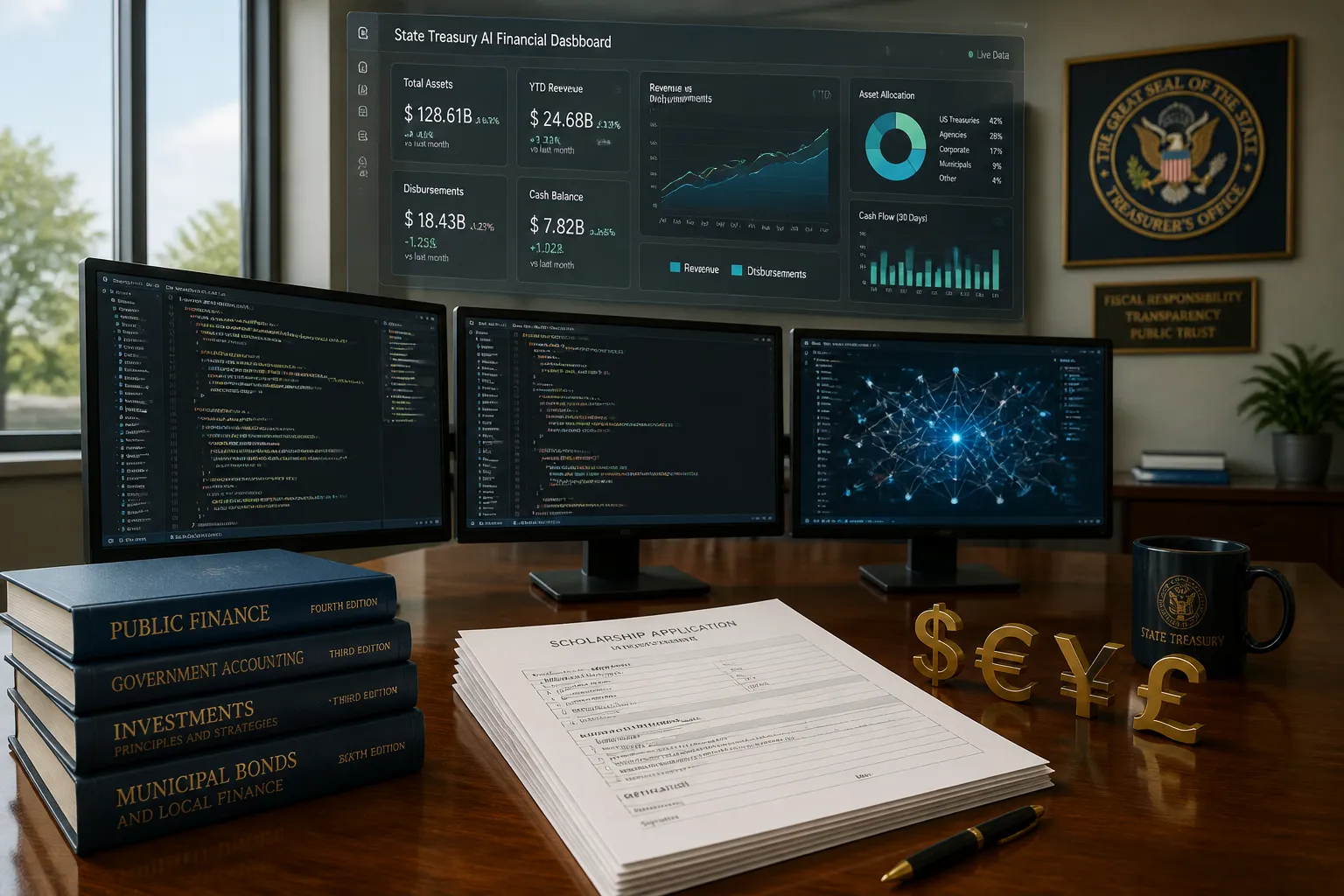
The AI‑driven updates are expected to feature automated fraud detection, real‑time transaction monitoring, and improved reporting tools for both families and state officials. Although the Treasury has not released a detailed technical roadmap, the focus on accountability aligns with concerns raised by advocacy groups and lawmakers about the program’s spending practices.
The announcement comes as Yee prepares to run for state superintendent of public instruction in the upcoming Republican primary. The Treasurer’s office has previously highlighted the need for stronger oversight of the ESA program, and the AI upgrades are positioned as a step toward addressing those concerns.
Arizona’s school‑choice landscape also includes charter schools, magnet schools and open‑enrollment policies. Critics of voucher programs argue that they can divert public funds from traditional public schools and may lead to segregation, while supporters claim that they increase consumer choice and competition.
The Treasury’s statement did not include a timeline for the rollout of the AI features or a budget for the upgrades. It also did not specify which vendor will provide the technology, although earlier reports indicated that the state was in discussions with multiple financial platform providers.
Financial oversight has been a point of contention for years. In 2023, a bipartisan group of state legislators introduced a bill to require quarterly audits of ESA disbursements, citing concerns about unallowable expenses. The bill has not yet passed.
As Arizona heads toward the November 3, 2026 election, the Treasury’s announcement may influence voters’ perceptions of the ESA program’s management. The upgrades are framed as a cost‑free improvement to public‑fund stewardship, but the effectiveness of AI in preventing fraud and ensuring compliance remains to be seen.
In short, Arizona’s state treasurer has announced AI‑powered enhancements to the ESA platform aimed at improving user experience and financial accountability. The upgrades are part of a broader effort to address longstanding concerns about oversight and fraud in the voucher program. The Treasury has not yet provided a detailed implementation plan, and the upgrades’ impact on the program’s operations and public perception will unfold over the coming months.
The ESA program, managed by the Arizona Department of Education, lets parents tap education tax dollars for alternative learning options such as private schools or homeschooling. In the most recent school year, more than 100,000 students enrolled in the voucher system. Critics have long raised concerns about a perceived lack of oversight and the possibility of payments for unallowable or fraudulent purchases.
Yee’s announcement follows a March review of the ESA marketplace platform, during which the Treasurer’s Office solicited input from program vendors on how to improve the payment system. While the Department of Education handles day‑to‑day operations, the Treasury is responsible for the program’s financial aspects.
"These new technology enhancements, delivered at no additional cost to taxpayers, will improve the user experience for ESA families, strengthen financial accountability and support the continued growth of Arizona’s nationally recognized Empowerment Scholarship Account program," Yee said in a statement. She added, "By leveraging advanced technology and AI‑driven capabilities, we are providing better service to families while promoting transparency and responsible stewardship of public funds."
The AI‑driven updates are expected to feature automated fraud detection, real‑time transaction monitoring, and improved reporting tools for both families and state officials. Although the Treasury has not released a detailed technical roadmap, the focus on accountability aligns with concerns raised by advocacy groups and lawmakers about the program’s spending practices.
The announcement comes as Yee prepares to run for state superintendent of public instruction in the upcoming Republican primary. The Treasurer’s office has previously highlighted the need for stronger oversight of the ESA program, and the AI upgrades are positioned as a step toward addressing those concerns.
Arizona’s school‑choice landscape also includes charter schools, magnet schools and open‑enrollment policies. Critics of voucher programs argue that they can divert public funds from traditional public schools and may lead to segregation, while supporters claim that they increase consumer choice and competition.
The Treasury’s statement did not include a timeline for the rollout of the AI features or a budget for the upgrades. It also did not specify which vendor will provide the technology, although earlier reports indicated that the state was in discussions with multiple financial platform providers.
Financial oversight has been a point of contention for years. In 2023, a bipartisan group of state legislators introduced a bill to require quarterly audits of ESA disbursements, citing concerns about unallowable expenses. The bill has not yet passed.
As Arizona heads toward the November 3, 2026 election, the Treasury’s announcement may influence voters’ perceptions of the ESA program’s management. The upgrades are framed as a cost‑free improvement to public‑fund stewardship, but the effectiveness of AI in preventing fraud and ensuring compliance remains to be seen.
In short, Arizona’s state treasurer has announced AI‑powered enhancements to the ESA platform aimed at improving user experience and financial accountability. The upgrades are part of a broader effort to address longstanding concerns about oversight and fraud in the voucher program. The Treasury has not yet provided a detailed implementation plan, and the upgrades’ impact on the program’s operations and public perception will unfold over the coming months.





