Blab AI
Record AI Infrastructure Debt Raises Investor Risk Concerns
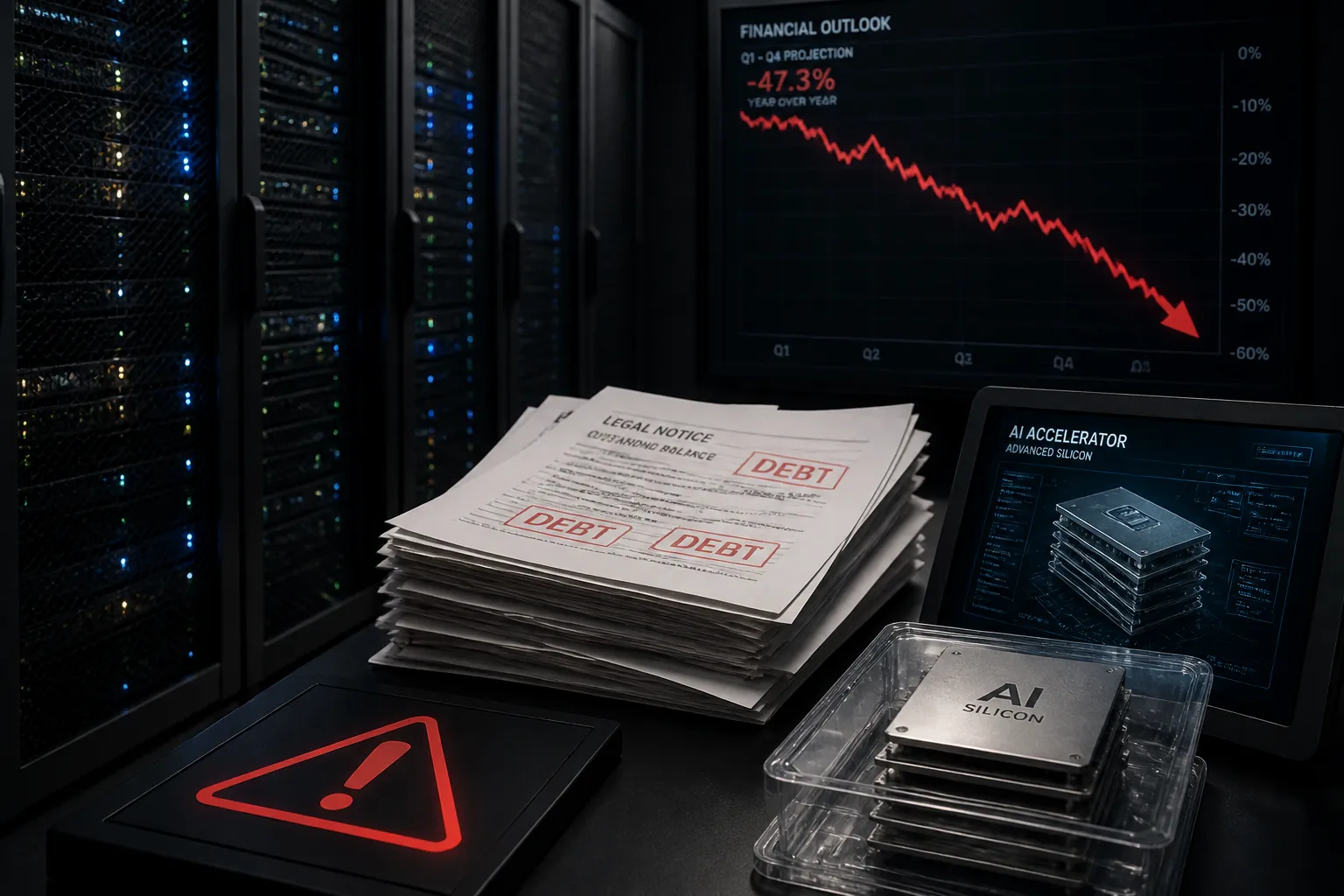
On June 22 2026, former Treasury and Pentagon advisor Jim Rickards released a free presentation that pulls back the curtain on a hidden debt wave surging behind the AI data‑center boom. Distributed through Globe Newswire, the briefing argues that the scale of borrowing—at least $200 billion in 2025—has never been seen in the technology sector and that the risk may be lurking in ordinary investment portfolios.
The surge in data‑center construction is being financed with a mix of investment‑grade bonds, high‑yield debt, and private‑credit arrangements. According to the Globe Newswire release, AI‑related companies and projects raised a minimum of $200 billion through debt markets during 2025. Analysts estimate that hundreds of billions more may be required in the coming years as hyperscalers expand their AI infrastructure, and much of the borrowing occurs outside the traditional public markets that most investors track.
Rickards cites concerns raised by analysts at JPMorgan. The bank has warned that as institutional investors buy more AI‑related debt, bond portfolios increasingly become tied to the fortunes of technology firms rather than to conventional interest‑rate dynamics. That shift, Rickards says, extends beyond Silicon Valley and into pension funds, retirement accounts, and diversified bond holdings.
Consulting firm Oliver Wyman has cautioned that lenders may eventually discover they hold more exposure to data‑center and digital‑infrastructure risk than many internal models currently suggest. Rickards stresses that these observations are not predictions of a crisis; rather, they are reasons for investors to scrutinize the financing mechanisms that underpin the AI build‑out.
Most investors do not intentionally fund a data center, yet through bond funds, retirement plans, and institutional portfolios many already carry exposure to the debt supporting AI infrastructure. Rickards believes the upcoming July 29 earnings cycle could serve as a critical test of the assumptions driving this borrowing boom. If spending projections, growth forecasts, or demand expectations begin to soften, investors may start reassessing the massive debt financing behind AI infrastructure.
The presentation, freely available, is designed to help viewers understand how this debt is structured, where it resides, and why it may matter to everyday investors. Rickards outlines the steps he believes investors should weigh, including the types of debt instruments used, the role of private credit, and the potential for “shadow borrowing” that sits outside corporate balance sheets.
Rickards has advised the U.S. Treasury, the Federal Reserve, the White House, and the Department of Defense for five decades. He later built financial threat‑detection systems for the CIA and designed the Pentagon’s first financial war games. In 2007, he delivered formal testimony to the U.S. Treasury warning of the conditions that led to the 2008 financial crisis.
Paradigm Press, the publisher of the presentation, is an independent financial research publisher rated 4.8 stars on Google across more than 1,900 reviews. The company states it is free from advertiser influence and is committed to helping everyday Americans understand the forces shaping their wealth.
In summary, the AI infrastructure debt boom is a significant, yet largely invisible, source of risk in the broader financial system. Investors who hold AI‑related debt directly or indirectly should monitor the July 29 earnings cycle for signals that growth assumptions may shift. While the presentation does not predict an imminent crisis, it highlights the need for greater transparency and risk awareness in the debt structures that underpin the next generation of data‑center infrastructure.
The surge in data‑center construction is being financed with a mix of investment‑grade bonds, high‑yield debt, and private‑credit arrangements. According to the Globe Newswire release, AI‑related companies and projects raised a minimum of $200 billion through debt markets during 2025. Analysts estimate that hundreds of billions more may be required in the coming years as hyperscalers expand their AI infrastructure, and much of the borrowing occurs outside the traditional public markets that most investors track.
Rickards cites concerns raised by analysts at JPMorgan. The bank has warned that as institutional investors buy more AI‑related debt, bond portfolios increasingly become tied to the fortunes of technology firms rather than to conventional interest‑rate dynamics. That shift, Rickards says, extends beyond Silicon Valley and into pension funds, retirement accounts, and diversified bond holdings.
Consulting firm Oliver Wyman has cautioned that lenders may eventually discover they hold more exposure to data‑center and digital‑infrastructure risk than many internal models currently suggest. Rickards stresses that these observations are not predictions of a crisis; rather, they are reasons for investors to scrutinize the financing mechanisms that underpin the AI build‑out.
Most investors do not intentionally fund a data center, yet through bond funds, retirement plans, and institutional portfolios many already carry exposure to the debt supporting AI infrastructure. Rickards believes the upcoming July 29 earnings cycle could serve as a critical test of the assumptions driving this borrowing boom. If spending projections, growth forecasts, or demand expectations begin to soften, investors may start reassessing the massive debt financing behind AI infrastructure.
The presentation, freely available, is designed to help viewers understand how this debt is structured, where it resides, and why it may matter to everyday investors. Rickards outlines the steps he believes investors should weigh, including the types of debt instruments used, the role of private credit, and the potential for “shadow borrowing” that sits outside corporate balance sheets.
Rickards has advised the U.S. Treasury, the Federal Reserve, the White House, and the Department of Defense for five decades. He later built financial threat‑detection systems for the CIA and designed the Pentagon’s first financial war games. In 2007, he delivered formal testimony to the U.S. Treasury warning of the conditions that led to the 2008 financial crisis.
Paradigm Press, the publisher of the presentation, is an independent financial research publisher rated 4.8 stars on Google across more than 1,900 reviews. The company states it is free from advertiser influence and is committed to helping everyday Americans understand the forces shaping their wealth.
In summary, the AI infrastructure debt boom is a significant, yet largely invisible, source of risk in the broader financial system. Investors who hold AI‑related debt directly or indirectly should monitor the July 29 earnings cycle for signals that growth assumptions may shift. While the presentation does not predict an imminent crisis, it highlights the need for greater transparency and risk awareness in the debt structures that underpin the next generation of data‑center infrastructure.





