Blab AI
Japanese Business Delegations Attend Beijing AI-Focused Expo Amid Sino-Japanese Tensions
On Monday, a wave of Japanese business leaders crossed into Beijing to attend the 4th China International Supply Chain Expo (CISCE), a five‑day event that spotlighted artificial intelligence and supply‑chain resilience.
The delegations, which included the Japan Chamber of Commerce and Industry, the Kansai Economic Federation, the Japanese Association for the Promotion of International Trade, and the Osaka Chamber of Commerce and Industry, joined more than 670 companies and institutions from 85 countries and regions. The CISCE, first held in 2023, is the world’s first national‑level exhibition dedicated to supply chains. This year it added a dedicated AI zone, where U.S. semiconductor giants Nvidia and Intel showcased their newest products, underscoring the growing importance of AI in logistics, manufacturing and digital transformation.
Business leaders said they hoped the event could help soften the diplomatic strain that has intensified since November 2025, when Japanese Prime Minister Sanae Takaichi warned that a Chinese attack on Taiwan could trigger a Japanese defence response in support of the United States. The remarks sparked a diplomatic crisis, tightening economic pressure between the two countries.
"We hope to ensure smooth exchanges between the two countries by seizing various opportunities," said Masayoshi Matsumoto, chairman of the Kansai Economic Federation and a senior executive at Sumitomo Electric Industries. Matsumoto emphasized that business communities have historically played a role in smoothing relations between China and Japan.
An official from Panasonic Holdings, which exhibited products for the elderly at the expo, stressed the company’s need to remain visible in the Chinese market despite the deteriorating bilateral climate. "Maintaining a presence in China is essential for the company’s long‑term strategy," the Panasonic representative said.
The presence of Gaku Hashimoto, son of former Prime Minister Ryutaro Hashimoto and acting chief of the trade promotion association, reflected the broader interest of Japan’s trade promotion community in sustaining commercial ties with China.
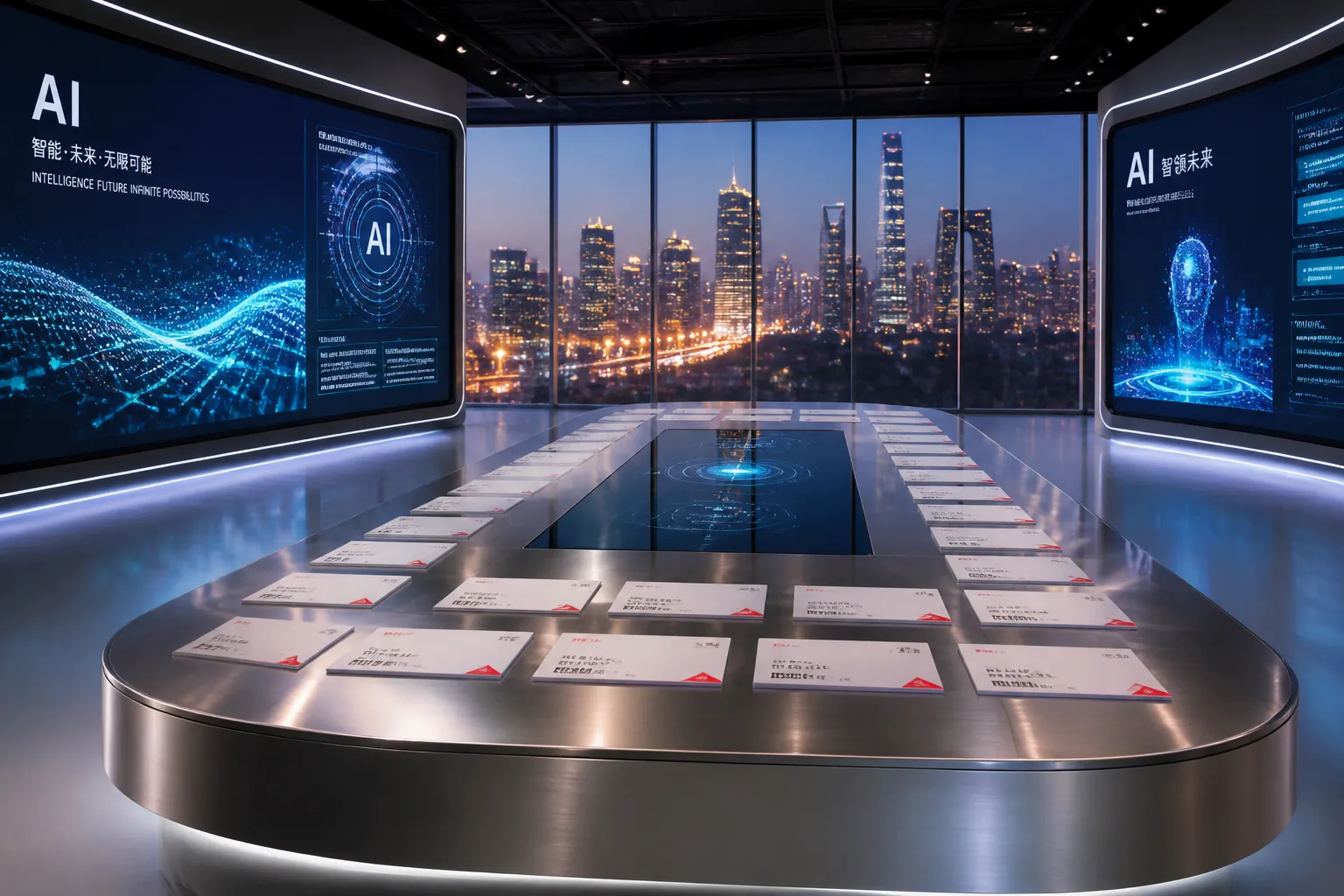
The AI zone attracted attention from both domestic and international exhibitors. Nvidia’s booth showcased its latest GPU architectures designed for AI workloads, while Intel highlighted recent chip developments aimed at edge computing and supply‑chain analytics. The inclusion of these firms signals a shift toward AI‑driven solutions in global supply‑chain management.
With more than 670 companies from 85 countries, the CISCE ranks among the largest gatherings focused on supply‑chain technology. Organizers highlighted the importance of fostering connections across upstream, midstream and downstream segments of the supply chain.
Sino‑Japanese relations have fluctuated over the past decade, but the current crisis stems from the 2025‑2026 diplomatic fallout over Taiwan. The Japanese government’s stance on potential intervention in a Taiwan contingency has been described by analysts as a significant departure from previous policy, leading to export controls, travel restrictions and a broader reassessment of trade and investment flows.
In this context, the presence of Japanese business delegations at the Beijing expo can be seen as a pragmatic attempt to keep commercial channels open. While the delegations did not issue formal statements on diplomatic policy, their participation signals a willingness to engage on economic grounds.
The CISCE’s AI focus aligns with broader industry trends, where AI is increasingly integrated into logistics, inventory management and predictive maintenance. The expo’s emphasis on AI reflects the sector’s need to adapt to disruptions such as the COVID‑19 pandemic and geopolitical uncertainties.
Looking ahead, the Chinese government has announced plans to expand the AI zone in future editions of the CISCE, while Japanese firms are reportedly exploring joint ventures and technology exchanges with Chinese partners. However, the diplomatic climate remains uncertain, and the extent to which business engagement can influence policy is unclear.
In summary, the 4th China International Supply Chain Expo served as a platform for Japanese business groups to maintain commercial ties with China amid heightened diplomatic tensions. The event highlighted the growing role of AI in supply‑chain resilience and showcased the participation of leading semiconductor companies. While the delegations expressed optimism about business‑level cooperation, the broader diplomatic context remains unresolved.
The delegations, which included the Japan Chamber of Commerce and Industry, the Kansai Economic Federation, the Japanese Association for the Promotion of International Trade, and the Osaka Chamber of Commerce and Industry, joined more than 670 companies and institutions from 85 countries and regions. The CISCE, first held in 2023, is the world’s first national‑level exhibition dedicated to supply chains. This year it added a dedicated AI zone, where U.S. semiconductor giants Nvidia and Intel showcased their newest products, underscoring the growing importance of AI in logistics, manufacturing and digital transformation.
Business leaders said they hoped the event could help soften the diplomatic strain that has intensified since November 2025, when Japanese Prime Minister Sanae Takaichi warned that a Chinese attack on Taiwan could trigger a Japanese defence response in support of the United States. The remarks sparked a diplomatic crisis, tightening economic pressure between the two countries.
"We hope to ensure smooth exchanges between the two countries by seizing various opportunities," said Masayoshi Matsumoto, chairman of the Kansai Economic Federation and a senior executive at Sumitomo Electric Industries. Matsumoto emphasized that business communities have historically played a role in smoothing relations between China and Japan.
An official from Panasonic Holdings, which exhibited products for the elderly at the expo, stressed the company’s need to remain visible in the Chinese market despite the deteriorating bilateral climate. "Maintaining a presence in China is essential for the company’s long‑term strategy," the Panasonic representative said.
The presence of Gaku Hashimoto, son of former Prime Minister Ryutaro Hashimoto and acting chief of the trade promotion association, reflected the broader interest of Japan’s trade promotion community in sustaining commercial ties with China.
The AI zone attracted attention from both domestic and international exhibitors. Nvidia’s booth showcased its latest GPU architectures designed for AI workloads, while Intel highlighted recent chip developments aimed at edge computing and supply‑chain analytics. The inclusion of these firms signals a shift toward AI‑driven solutions in global supply‑chain management.
With more than 670 companies from 85 countries, the CISCE ranks among the largest gatherings focused on supply‑chain technology. Organizers highlighted the importance of fostering connections across upstream, midstream and downstream segments of the supply chain.
Sino‑Japanese relations have fluctuated over the past decade, but the current crisis stems from the 2025‑2026 diplomatic fallout over Taiwan. The Japanese government’s stance on potential intervention in a Taiwan contingency has been described by analysts as a significant departure from previous policy, leading to export controls, travel restrictions and a broader reassessment of trade and investment flows.
In this context, the presence of Japanese business delegations at the Beijing expo can be seen as a pragmatic attempt to keep commercial channels open. While the delegations did not issue formal statements on diplomatic policy, their participation signals a willingness to engage on economic grounds.
The CISCE’s AI focus aligns with broader industry trends, where AI is increasingly integrated into logistics, inventory management and predictive maintenance. The expo’s emphasis on AI reflects the sector’s need to adapt to disruptions such as the COVID‑19 pandemic and geopolitical uncertainties.
Looking ahead, the Chinese government has announced plans to expand the AI zone in future editions of the CISCE, while Japanese firms are reportedly exploring joint ventures and technology exchanges with Chinese partners. However, the diplomatic climate remains uncertain, and the extent to which business engagement can influence policy is unclear.
In summary, the 4th China International Supply Chain Expo served as a platform for Japanese business groups to maintain commercial ties with China amid heightened diplomatic tensions. The event highlighted the growing role of AI in supply‑chain resilience and showcased the participation of leading semiconductor companies. While the delegations expressed optimism about business‑level cooperation, the broader diplomatic context remains unresolved.





