Blab AI
SZA Exposes AI Use of 238 of Her Songs, Sparks Debate Over Consent and Profit in Music Industry
SZA, the Grammy‑winning R&B artist, revealed on Instagram that an AI music database listed 238 of her tracks as training data for generative models. The discovery, made after she entered her name into a public platform that aggregates songs used by AI systems, included some unreleased material. In a series of posts, the singer criticized musicians who support AI‑generated music and questioned the legality and ethics of using her work without permission.
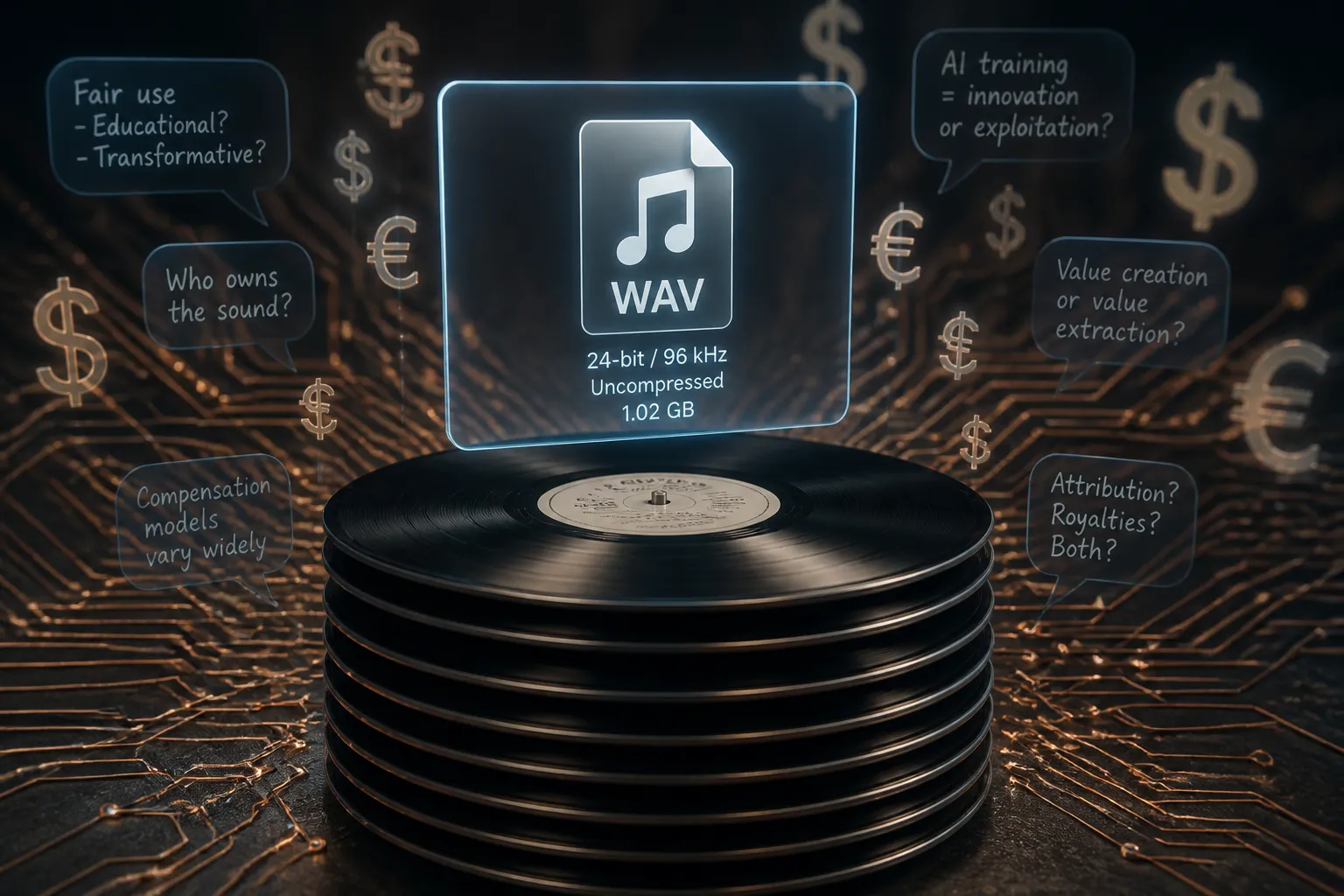
The singer’s comments focus on three core concerns: consent, ownership, and compensation. According to reports, the database did not indicate whether the artists had granted permission or received any royalties. SZA said that her voice, style and emotional fingerprint are being fed into machines without her involvement, raising questions about who benefits when a model can replicate her sound.
For Black artists, the issue carries historical weight. Black music has long powered mainstream culture, yet the creators have often been denied credit or payment. SZA’s post highlights that the same pattern may be repeating in a new form. She has previously linked AI exploitation to environmental harm, noting that the data centers that power large models consume significant electricity and water.
The timing of SZA’s criticism coincides with Warner Bros. Discovery’s announcement that it is developing agentic AI‑powered advertising technology in partnership with Amazon Web Services. The company said the system will use autonomous AI agents for planning, forecasting, real‑time optimization and measurement across linear and digital platforms. The move is framed as a next step in ad innovation, but it also illustrates how AI is being integrated into the business side of media, influencing how content is monetized and how audiences are targeted.
The broader industry is already embroiled in legal battles over AI training data. Major record labels have sued AI music companies Suno and Udio, alleging that copyrighted songs were used without permission to train music‑generating systems. Those cases are part of a larger dispute over whether AI firms can scrape existing art and claim it as innovation.
Artists’ reactions to AI vary. Kehlani has spoken out against AI‑generated R&B, while others, such as producer Timbaland, have embraced AI as a creative tool. The differing views underscore the tension between artistic control and technological advancement.
SZA’s stance is clear: if her music has been used to train a model, she does not want to celebrate it. The singer’s post raises a broader question about the future of creative ownership in an era where AI can imitate and generate content that closely resembles human artistry.
Industry stakeholders are now facing two parallel conversations. On the creative side, artists demand consent, credit and compensation. On the corporate side, media companies are racing to embed AI into advertising, streaming and audience‑growth strategies. The intersection of these tracks is profit: when a model can replicate a popular artist’s sound, the question becomes who controls the revenue.
The debate is not limited to the music sector. AI training data practices affect other creative domains, and the legal landscape is evolving. Recent court filings and regulatory actions in the United Kingdom, for example, have fined companies for training on copyrighted music without artist consent.
SZA’s public disclosure has amplified calls for transparent, consent‑driven AI training ecosystems. Some platforms are beginning to offer usage analytics and artist‑controlled licensing, but the industry has yet to reach a consensus.
As AI continues to expand into both creative and commercial realms, the music community faces a critical juncture. The next steps will determine whether artists can maintain control over the culture they helped build or whether their creative output will be extracted again under new technological banners.
The situation remains fluid. Warner Bros. Discovery has not yet released a launch date for its AI advertising platform, and the legal outcomes of the Suno and Udio lawsuits are still pending. Meanwhile, SZA and other artists continue to monitor AI developments and advocate for clearer rights and compensation frameworks.
The conversation underscores that while AI offers new possibilities, it also raises enduring questions about ownership, consent and profit that will shape the future of the music industry and beyond.
The singer’s comments focus on three core concerns: consent, ownership, and compensation. According to reports, the database did not indicate whether the artists had granted permission or received any royalties. SZA said that her voice, style and emotional fingerprint are being fed into machines without her involvement, raising questions about who benefits when a model can replicate her sound.
For Black artists, the issue carries historical weight. Black music has long powered mainstream culture, yet the creators have often been denied credit or payment. SZA’s post highlights that the same pattern may be repeating in a new form. She has previously linked AI exploitation to environmental harm, noting that the data centers that power large models consume significant electricity and water.
The timing of SZA’s criticism coincides with Warner Bros. Discovery’s announcement that it is developing agentic AI‑powered advertising technology in partnership with Amazon Web Services. The company said the system will use autonomous AI agents for planning, forecasting, real‑time optimization and measurement across linear and digital platforms. The move is framed as a next step in ad innovation, but it also illustrates how AI is being integrated into the business side of media, influencing how content is monetized and how audiences are targeted.
The broader industry is already embroiled in legal battles over AI training data. Major record labels have sued AI music companies Suno and Udio, alleging that copyrighted songs were used without permission to train music‑generating systems. Those cases are part of a larger dispute over whether AI firms can scrape existing art and claim it as innovation.
Artists’ reactions to AI vary. Kehlani has spoken out against AI‑generated R&B, while others, such as producer Timbaland, have embraced AI as a creative tool. The differing views underscore the tension between artistic control and technological advancement.
SZA’s stance is clear: if her music has been used to train a model, she does not want to celebrate it. The singer’s post raises a broader question about the future of creative ownership in an era where AI can imitate and generate content that closely resembles human artistry.
Industry stakeholders are now facing two parallel conversations. On the creative side, artists demand consent, credit and compensation. On the corporate side, media companies are racing to embed AI into advertising, streaming and audience‑growth strategies. The intersection of these tracks is profit: when a model can replicate a popular artist’s sound, the question becomes who controls the revenue.
The debate is not limited to the music sector. AI training data practices affect other creative domains, and the legal landscape is evolving. Recent court filings and regulatory actions in the United Kingdom, for example, have fined companies for training on copyrighted music without artist consent.
SZA’s public disclosure has amplified calls for transparent, consent‑driven AI training ecosystems. Some platforms are beginning to offer usage analytics and artist‑controlled licensing, but the industry has yet to reach a consensus.
As AI continues to expand into both creative and commercial realms, the music community faces a critical juncture. The next steps will determine whether artists can maintain control over the culture they helped build or whether their creative output will be extracted again under new technological banners.
The situation remains fluid. Warner Bros. Discovery has not yet released a launch date for its AI advertising platform, and the legal outcomes of the Suno and Udio lawsuits are still pending. Meanwhile, SZA and other artists continue to monitor AI developments and advocate for clearer rights and compensation frameworks.
The conversation underscores that while AI offers new possibilities, it also raises enduring questions about ownership, consent and profit that will shape the future of the music industry and beyond.





