Blab AI
Stellantis, Wayve and Uber Sign MOU to Deploy Level-4 Robotaxis Worldwide
On 18 June 2026, Stellantis, Wayve and Uber announced a memorandum of understanding that could bring Level‑4 autonomous taxis to cities around the world.
Under the agreement, Wayve will supply a map‑less “Embodied AI” driving system, Stellantis will build purpose‑built vehicles, and Uber will integrate the technology into its ride‑hailing platform. The three companies said the partnership will launch Level‑4 autonomous taxis across multiple U.S. cities.
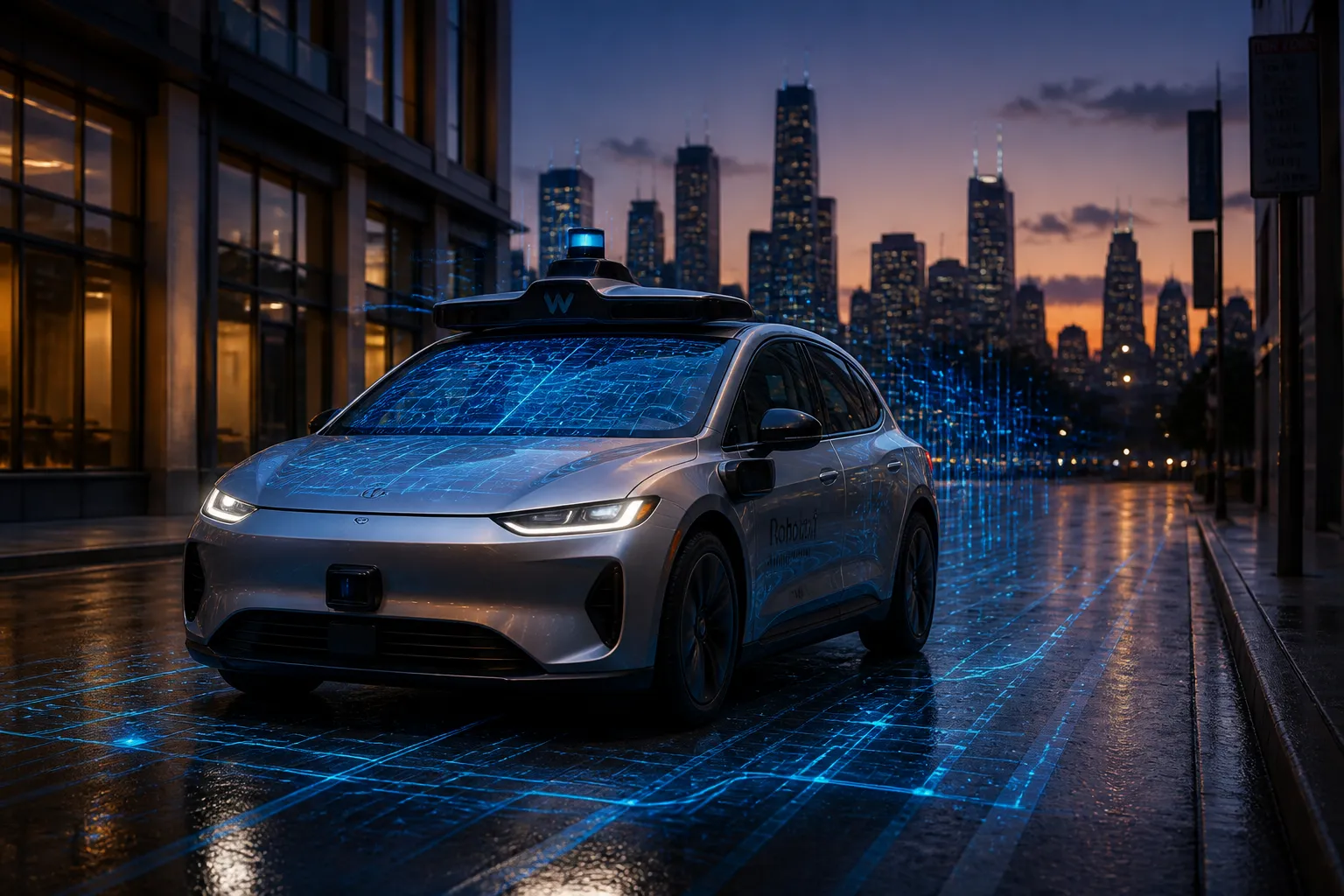
Level‑4 vehicles can operate without a human driver inside a defined operational domain, but most rely on detailed pre‑mapped areas. Wayve’s approach eliminates that requirement by training a neural network to interpret live camera and radar data, allowing the car to navigate unfamiliar streets. The startup describes its technology as “end‑to‑end” and “map‑less,” a claim that contrasts with the geofenced models used by competitors such as Waymo.
Stellantis will supply the hardware. The automaker announced it will build a new line of vehicles on its “L4‑Ready Platforms,” integrating bespoke sensor suites and computing modules designed for continuous autonomous operation. The partnership follows Stellantis’ earlier announcement of a 2028 launch for a Level‑2++ system that uses Wayve’s AI driver for door‑to‑door hands‑free driving.
Uber’s role is primarily operational and financial. The company has already discontinued its own autonomous vehicle program and will now deploy Stellantis cars equipped with Wayve’s AI through its existing app. Uber will modify its interface slightly to accept autonomous rides and will collect fares without paying drivers. According to a press release from the automaker, Uber will begin operations in select U.S. cities with an initial fleet of 5,000 vehicles. The company expects pilot programs to ramp up over the next few years, with a start‑of‑production target of 2028.
Wayve’s funding history supports the scale of the project. The startup raised $1.2 billion in a Series D round in 2025, giving it an $8.6 billion valuation. The capital is earmarked for scaling the AI platform and expanding vehicle production.
Industry observers note that the MOU is part of a broader trend of automakers partnering with AI startups to accelerate robotaxi programs. Similar collaborations include Nissan and Wayve in Tokyo, and Lucid Motors with Nvidia.
Regulatory challenges remain. Level‑4 vehicles still require safety‑driven geofencing in many jurisdictions, and the map‑less approach must satisfy local authorities’ safety and data‑privacy requirements. The partnership will need to navigate these hurdles before commercial rollout.
The collaboration also raises questions about data ownership and liability. While Wayve supplies the AI, Stellantis manufactures the hardware, and Uber operates the service, the allocation of responsibility for incidents is not yet defined.
In summary, the 2026 memorandum marks a significant step toward global Level‑4 robotaxi deployment. Wayve’s map‑less AI, Stellantis’ purpose‑built platforms and Uber’s ride‑hailing network combine to create a potentially scalable model. The next milestones include vehicle production, regulatory approvals and the first commercial launches in U.S. cities. The partnership’s success will hinge on the technology’s ability to handle unpredictable real‑world scenarios and on the companies’ ability to meet safety and regulatory standards.
Under the agreement, Wayve will supply a map‑less “Embodied AI” driving system, Stellantis will build purpose‑built vehicles, and Uber will integrate the technology into its ride‑hailing platform. The three companies said the partnership will launch Level‑4 autonomous taxis across multiple U.S. cities.
Level‑4 vehicles can operate without a human driver inside a defined operational domain, but most rely on detailed pre‑mapped areas. Wayve’s approach eliminates that requirement by training a neural network to interpret live camera and radar data, allowing the car to navigate unfamiliar streets. The startup describes its technology as “end‑to‑end” and “map‑less,” a claim that contrasts with the geofenced models used by competitors such as Waymo.
Stellantis will supply the hardware. The automaker announced it will build a new line of vehicles on its “L4‑Ready Platforms,” integrating bespoke sensor suites and computing modules designed for continuous autonomous operation. The partnership follows Stellantis’ earlier announcement of a 2028 launch for a Level‑2++ system that uses Wayve’s AI driver for door‑to‑door hands‑free driving.
Uber’s role is primarily operational and financial. The company has already discontinued its own autonomous vehicle program and will now deploy Stellantis cars equipped with Wayve’s AI through its existing app. Uber will modify its interface slightly to accept autonomous rides and will collect fares without paying drivers. According to a press release from the automaker, Uber will begin operations in select U.S. cities with an initial fleet of 5,000 vehicles. The company expects pilot programs to ramp up over the next few years, with a start‑of‑production target of 2028.
Wayve’s funding history supports the scale of the project. The startup raised $1.2 billion in a Series D round in 2025, giving it an $8.6 billion valuation. The capital is earmarked for scaling the AI platform and expanding vehicle production.
Industry observers note that the MOU is part of a broader trend of automakers partnering with AI startups to accelerate robotaxi programs. Similar collaborations include Nissan and Wayve in Tokyo, and Lucid Motors with Nvidia.
Regulatory challenges remain. Level‑4 vehicles still require safety‑driven geofencing in many jurisdictions, and the map‑less approach must satisfy local authorities’ safety and data‑privacy requirements. The partnership will need to navigate these hurdles before commercial rollout.
The collaboration also raises questions about data ownership and liability. While Wayve supplies the AI, Stellantis manufactures the hardware, and Uber operates the service, the allocation of responsibility for incidents is not yet defined.
In summary, the 2026 memorandum marks a significant step toward global Level‑4 robotaxi deployment. Wayve’s map‑less AI, Stellantis’ purpose‑built platforms and Uber’s ride‑hailing network combine to create a potentially scalable model. The next milestones include vehicle production, regulatory approvals and the first commercial launches in U.S. cities. The partnership’s success will hinge on the technology’s ability to handle unpredictable real‑world scenarios and on the companies’ ability to meet safety and regulatory standards.





