Blab AI
Indias DGCA to Launch AI-Powered eGCA 2.0 Platform for Aviation Oversight
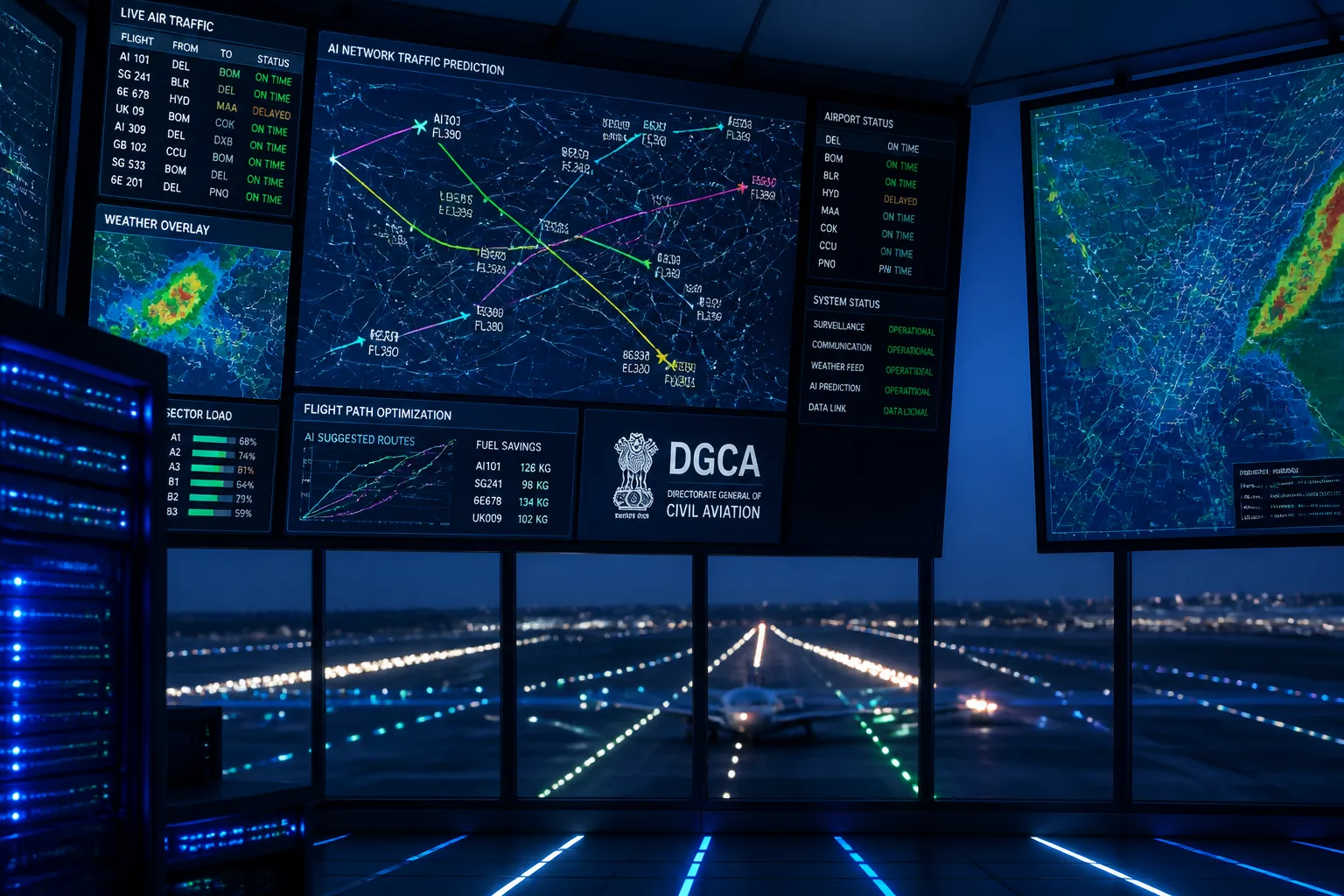
The Directorate General of Civil Aviation (DGCA) has announced plans to develop a next‑generation electronic General Civil Aviation (eGCA) platform, called eGCA 2.0, that will incorporate artificial intelligence (AI), machine learning (ML), blockchain, and predictive surveillance technologies. The initiative is part of a broader digital transformation effort aimed at modernising India’s aviation regulatory framework.
According to tender documents reviewed by BusinessLine, the DGCA is seeking a Technology Project Management Unit (Tech‑PMU) to support the implementation of eGCA 2.0. The platform is expected to focus on application framework design, integration planning, risk management, cloud hosting strategies, cybersecurity architecture, disaster recovery, and advanced dashboards and analytics. The regulator’s objective is to enable data‑driven supervision, automate routine workflows, and identify safety or compliance risks through predictive and intelligence‑based tools.
The new system will place a strong emphasis on emerging technologies and regulatory technology (RegTech) solutions. The tender specifies that the selection of a technology partner will follow an 80:20 Quality‑cum‑Cost‑Based Selection (QCBS) methodology, with significant weight given to capabilities in AI, ML, blockchain, advanced analytics, cloud computing, natural language processing, and digital intelligence. The DGCA also seeks specialists with aviation domain expertise and a proven track record in cybersecurity and compliance assurance.
Industry insiders say the platform will strengthen regulatory oversight and improve the efficiency of aviation‑related approvals and monitoring mechanisms. By integrating decision‑intelligence solutions and predictive surveillance tools, the DGCA aims to reduce manual checks and accelerate the processing of applications for aircraft registration, operator licensing, and safety inspections.
The timing of the upgrade coincides with rapid growth in India’s aviation sector. Passenger traffic, fleet induction, and airport infrastructure development are expanding at a pace that outstrips the current regulatory capacity. A more technology‑driven and scalable regulatory architecture is therefore seen as essential to keep pace with the sector’s growth and to maintain safety standards.
The eGCA 2.0 initiative also aligns with the Indian government’s broader push for digital governance across public services. By leveraging blockchain, the DGCA intends to create an immutable record of aviation data, enhancing transparency and reducing the potential for fraud. AI and ML components will enable the regulator to analyze large volumes of data in real time, flag anomalies, and support evidence‑based decision making.
While the tender documents outline the technical requirements and selection criteria, the DGCA has not yet announced a timeline for the platform’s launch or the identity of the selected technology partner. The regulator’s public statements indicate that the project is a priority within the Ministry of Civil Aviation’s agenda for 2026 and beyond.
In summary, the DGCA’s planned eGCA 2.0 platform represents a significant step toward a fully digital, AI‑enabled regulatory ecosystem. The initiative seeks to modernise oversight processes, enhance data security, and support the continued expansion of India’s civil aviation industry. The outcome of the tender process and the eventual deployment of the platform will be closely watched by airlines, airport operators, and technology providers engaged in the Indian aviation market.
According to tender documents reviewed by BusinessLine, the DGCA is seeking a Technology Project Management Unit (Tech‑PMU) to support the implementation of eGCA 2.0. The platform is expected to focus on application framework design, integration planning, risk management, cloud hosting strategies, cybersecurity architecture, disaster recovery, and advanced dashboards and analytics. The regulator’s objective is to enable data‑driven supervision, automate routine workflows, and identify safety or compliance risks through predictive and intelligence‑based tools.
The new system will place a strong emphasis on emerging technologies and regulatory technology (RegTech) solutions. The tender specifies that the selection of a technology partner will follow an 80:20 Quality‑cum‑Cost‑Based Selection (QCBS) methodology, with significant weight given to capabilities in AI, ML, blockchain, advanced analytics, cloud computing, natural language processing, and digital intelligence. The DGCA also seeks specialists with aviation domain expertise and a proven track record in cybersecurity and compliance assurance.
Industry insiders say the platform will strengthen regulatory oversight and improve the efficiency of aviation‑related approvals and monitoring mechanisms. By integrating decision‑intelligence solutions and predictive surveillance tools, the DGCA aims to reduce manual checks and accelerate the processing of applications for aircraft registration, operator licensing, and safety inspections.
The timing of the upgrade coincides with rapid growth in India’s aviation sector. Passenger traffic, fleet induction, and airport infrastructure development are expanding at a pace that outstrips the current regulatory capacity. A more technology‑driven and scalable regulatory architecture is therefore seen as essential to keep pace with the sector’s growth and to maintain safety standards.
The eGCA 2.0 initiative also aligns with the Indian government’s broader push for digital governance across public services. By leveraging blockchain, the DGCA intends to create an immutable record of aviation data, enhancing transparency and reducing the potential for fraud. AI and ML components will enable the regulator to analyze large volumes of data in real time, flag anomalies, and support evidence‑based decision making.
While the tender documents outline the technical requirements and selection criteria, the DGCA has not yet announced a timeline for the platform’s launch or the identity of the selected technology partner. The regulator’s public statements indicate that the project is a priority within the Ministry of Civil Aviation’s agenda for 2026 and beyond.
In summary, the DGCA’s planned eGCA 2.0 platform represents a significant step toward a fully digital, AI‑enabled regulatory ecosystem. The initiative seeks to modernise oversight processes, enhance data security, and support the continued expansion of India’s civil aviation industry. The outcome of the tender process and the eventual deployment of the platform will be closely watched by airlines, airport operators, and technology providers engaged in the Indian aviation market.





