Blab AI
Illinois Tightens AI Rules, Suspends Data Center Tax Credits Amid Growing Concerns
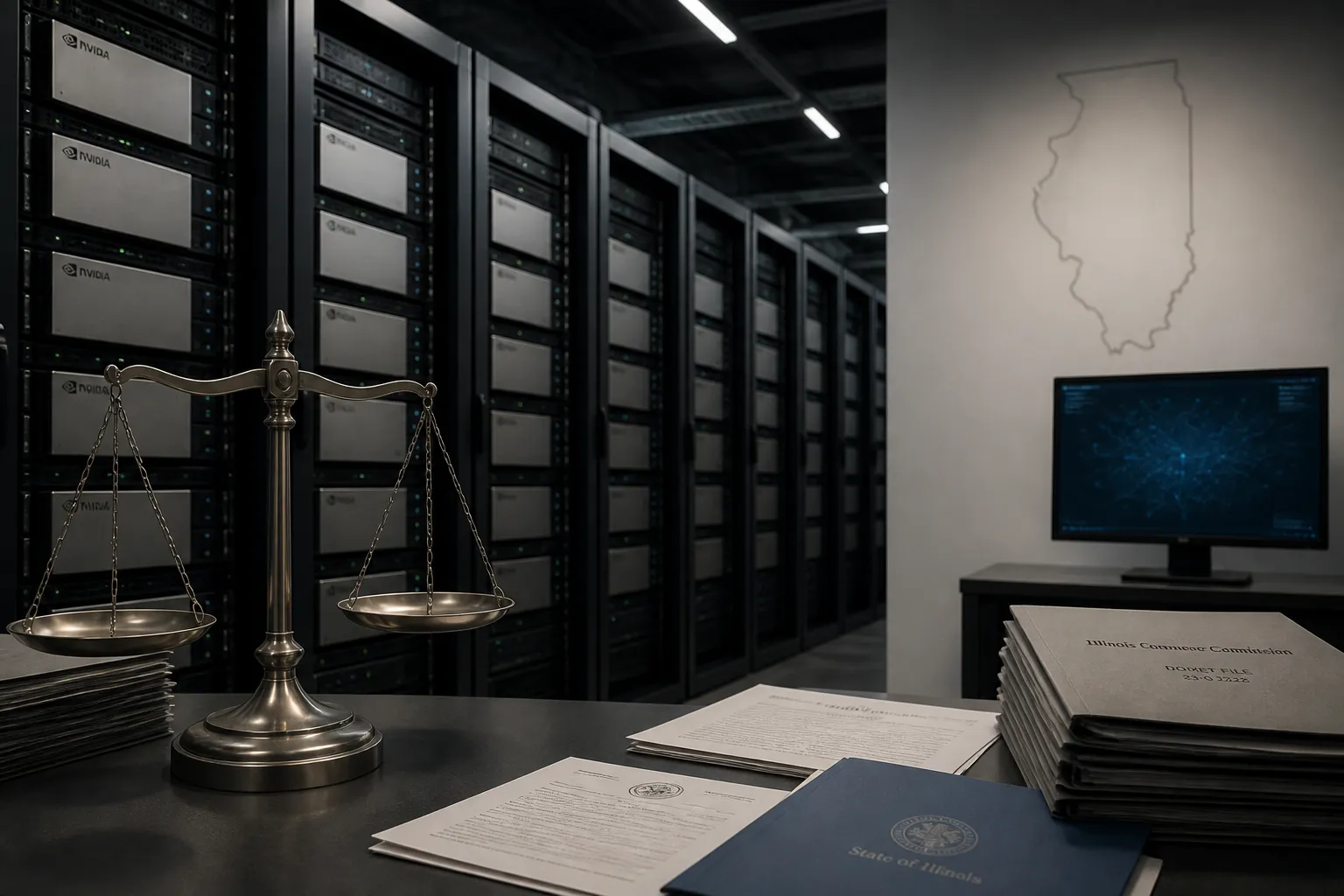
On June 20 2026, Illinois lawmakers tightened the state’s approach to artificial intelligence by passing a package of rules that both curbs the risks of large‑scale AI systems and pauses incentives for data‑center development.
The centerpiece of the package is a risk‑management bill that applies to developers of extremely large AI models. The law requires those companies to disclose publicly how they will mitigate catastrophic risks and to submit their systems to independent third‑party audits. In addition, developers must report any safety incidents within a specified timeframe. The measure, which received bipartisan support, reflects a shared legislative concern about the potential harms of powerful AI.
Shortly before the risk‑management law took effect, the Illinois Department of Human Rights (IDHR) issued draft rules that would oblige employers to notify employees when AI is used to influence hiring, promotion, discipline or termination decisions. The draft also called for an annual notice to current staff and a 30‑day notice when a new or substantially updated AI system is adopted. The IDHR withdrew the draft later in June, but the statutory framework that would require such notices remains in force.
Small businesses that rely on AI‑powered recruiting tools may feel the weight of these notice requirements. The rules could add administrative burdens for firms that use software to screen candidates, potentially affecting their ability to compete with larger employers that already have established AI pipelines. While the draft rules were designed to prevent discrimination arising from opaque algorithms, the practical impact on small‑scale hiring operations is still being evaluated.
Illinois’ stance on data‑center incentives has also shifted. From 2020 to 2024, the state offered tax credits worth nearly $1 billion to attract data‑center projects, which collectively drew more than $15 billion in investment and created over 8,000 construction jobs. On June 5, 2026, Governor J.B. Pritzker issued an executive order that pauses the approval of new tax‑incentive agreements for data centers effective July 1. The pause follows a failed legislative attempt to extend or modify the incentive program during the spring session.
The decision has drawn criticism from labor unions and industry groups that argue the incentives are essential for maintaining Illinois’ competitiveness in the cloud‑computing market. Opponents of the pause cite concerns about the environmental and energy demands of large data centers, noting that the facilities that power AI models consume significant amounts of electricity and water.
These regulatory moves illustrate the broader debate over how public policy should balance the economic benefits of AI and data‑center growth against potential social, environmental and employment risks. The AI risk‑management law and the IDHR rules aim to increase transparency and reduce discrimination, while the tax‑credit pause seeks to address the environmental footprint of AI infrastructure.
As of now, the risk‑management legislation is in force, the IDHR rules remain in draft form, and the tax‑credit pause is active. Illinois is expected to continue discussions on data‑center regulation, including proposals to protect consumers, energy resources and the environment. Small businesses and AI developers will need to monitor the evolving requirements closely to ensure compliance and adapt their operations to the new regulatory landscape.
The developments in Illinois demonstrate how state governments are experimenting with governance tools to manage the rapid evolution of AI technology. The outcomes of these measures will likely influence other jurisdictions as they consider similar policies to safeguard workers, consumers and the environment while fostering innovation.
The centerpiece of the package is a risk‑management bill that applies to developers of extremely large AI models. The law requires those companies to disclose publicly how they will mitigate catastrophic risks and to submit their systems to independent third‑party audits. In addition, developers must report any safety incidents within a specified timeframe. The measure, which received bipartisan support, reflects a shared legislative concern about the potential harms of powerful AI.
Shortly before the risk‑management law took effect, the Illinois Department of Human Rights (IDHR) issued draft rules that would oblige employers to notify employees when AI is used to influence hiring, promotion, discipline or termination decisions. The draft also called for an annual notice to current staff and a 30‑day notice when a new or substantially updated AI system is adopted. The IDHR withdrew the draft later in June, but the statutory framework that would require such notices remains in force.
Small businesses that rely on AI‑powered recruiting tools may feel the weight of these notice requirements. The rules could add administrative burdens for firms that use software to screen candidates, potentially affecting their ability to compete with larger employers that already have established AI pipelines. While the draft rules were designed to prevent discrimination arising from opaque algorithms, the practical impact on small‑scale hiring operations is still being evaluated.
Illinois’ stance on data‑center incentives has also shifted. From 2020 to 2024, the state offered tax credits worth nearly $1 billion to attract data‑center projects, which collectively drew more than $15 billion in investment and created over 8,000 construction jobs. On June 5, 2026, Governor J.B. Pritzker issued an executive order that pauses the approval of new tax‑incentive agreements for data centers effective July 1. The pause follows a failed legislative attempt to extend or modify the incentive program during the spring session.
The decision has drawn criticism from labor unions and industry groups that argue the incentives are essential for maintaining Illinois’ competitiveness in the cloud‑computing market. Opponents of the pause cite concerns about the environmental and energy demands of large data centers, noting that the facilities that power AI models consume significant amounts of electricity and water.
These regulatory moves illustrate the broader debate over how public policy should balance the economic benefits of AI and data‑center growth against potential social, environmental and employment risks. The AI risk‑management law and the IDHR rules aim to increase transparency and reduce discrimination, while the tax‑credit pause seeks to address the environmental footprint of AI infrastructure.
As of now, the risk‑management legislation is in force, the IDHR rules remain in draft form, and the tax‑credit pause is active. Illinois is expected to continue discussions on data‑center regulation, including proposals to protect consumers, energy resources and the environment. Small businesses and AI developers will need to monitor the evolving requirements closely to ensure compliance and adapt their operations to the new regulatory landscape.
The developments in Illinois demonstrate how state governments are experimenting with governance tools to manage the rapid evolution of AI technology. The outcomes of these measures will likely influence other jurisdictions as they consider similar policies to safeguard workers, consumers and the environment while fostering innovation.





