Blab AI
AI and Lymphoma Immunotherapy Take Center Stage at 2026 Technology Networks Symposium
When Dr. Yan Leyfman stepped onto the stage at the 2026 Technology Networks symposium, the room buzzed with anticipation. The event, titled The Landscape of Cancer Research: Advances in Immuno‑Oncology, gathered researchers, clinicians and industry leaders in a single venue to dissect the newest developments in cancer care. Leyfman, a medical oncologist, co‑founder and executive director of MedNews Week, used the opportunity to argue that artificial intelligence (AI) is becoming the linchpin of lymphoma treatment.
Leyfman’s keynote focused on how AI can sharpen clinical decision‑making, speed up research pipelines and widen access to precision oncology. He underscored that the most meaningful progress will come from weaving together human expertise, immunotherapy, data science and AI. The symposium’s program, which also covered CAR‑T cell therapies and checkpoint inhibitors, framed AI as the missing bridge between laboratory discovery and bedside application.
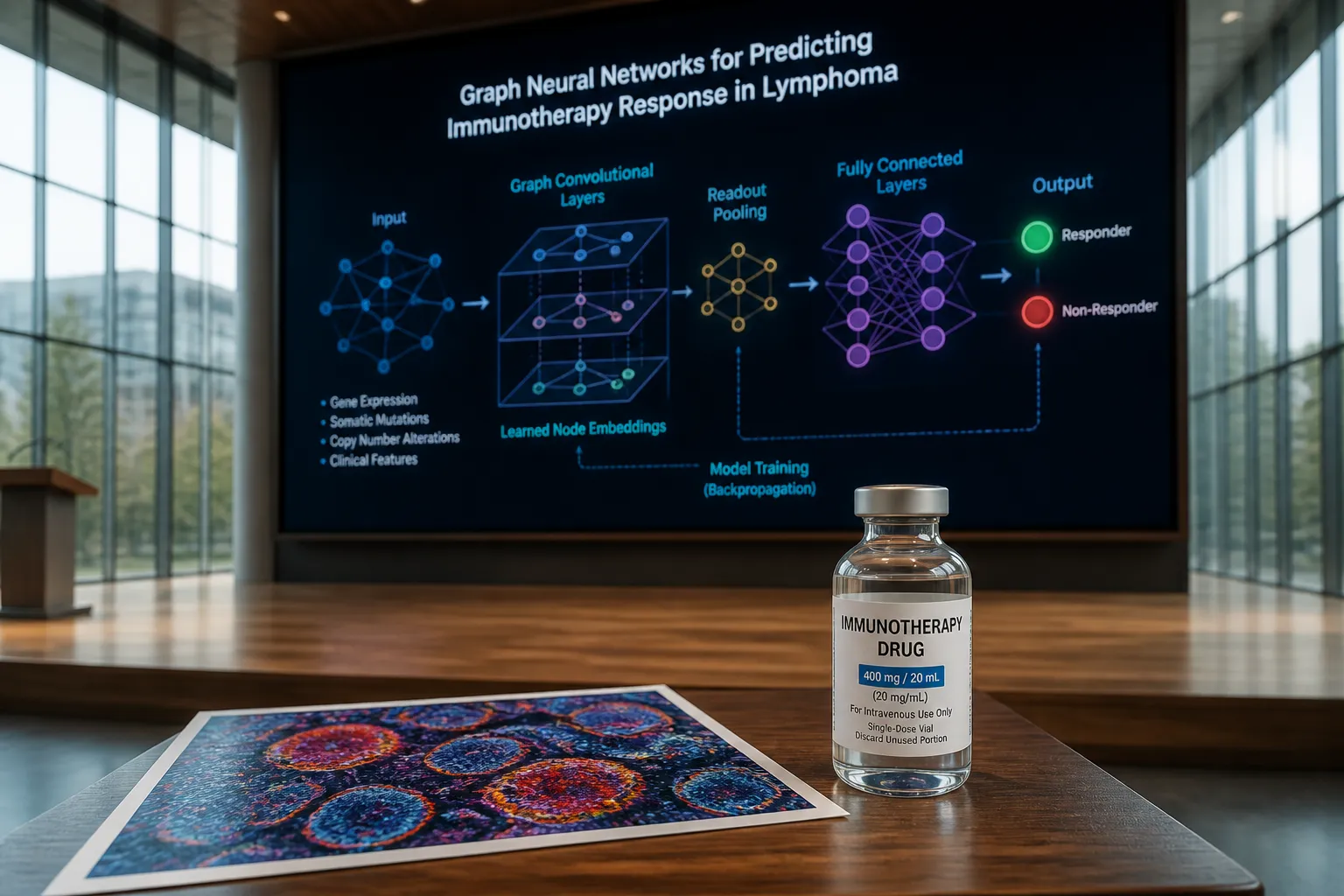
The spotlight on lymphoma is timely. A 2024 study demonstrated that a machine‑learning model could predict patient response to the combination drug InflaMix—an immune checkpoint inhibitor paired with a cytokine modulator—using only six routine laboratory parameters. The model’s flexibility allowed it to perform robustly even when data were sparse, illustrating AI’s potential to help clinicians tailor treatments to individual patients.
Beyond predictive analytics, AI is reshaping lymphoma diagnosis and prognosis. A systematic review published in 2023 examined AI algorithms that detect lymphoma from medical imaging. The review found that these algorithms matched or surpassed the accuracy of human radiologists, offering a promising tool for earlier detection and more precise staging. A 2024 bibliometric analysis further revealed that research on AI in lymphoma has surged since 2010, with current hotspots including risk stratification, treatment outcome prediction and biomarker discovery.
Leyfman highlighted that AI’s real strength lies in its ability to ingest and interrogate vast, heterogeneous datasets—clinical records, imaging studies, genomic profiles—and uncover patterns invisible to human observers. By embedding AI into routine practice, oncologists could make more informed decisions about which immunotherapies to prescribe, potentially boosting response rates while reducing exposure to unnecessary toxicities.
However, the symposium also turned a critical eye to the hurdles that stand between AI research and clinical deployment. Participants debated data governance, interoperability, and the necessity of rigorous validation studies before AI tools can receive regulatory approval for patient care. The panel agreed that the regulatory pathways for AI‑driven diagnostics and therapeutics remain in flux, and that sustained collaboration among academia, industry and regulators is essential.
Looking forward, Leyfman expressed cautious optimism. He emphasized that continued partnership among clinicians, data scientists and technology companies will be vital for translating research findings into real‑world benefits for patients. Panelists concurred that, while significant strides have been made, a substantial gap persists between AI research and widespread clinical adoption.
In sum, the 2026 Technology Networks symposium spotlighted the accelerating convergence of AI and lymphoma immunotherapy. Dr. Yan Leyfman’s presentation illustrated how AI can enhance clinical decision‑making, accelerate research, and broaden access to precision treatments. Ongoing studies confirm AI’s promise in diagnosis, risk stratification and treatment prediction, yet they also expose the need for further validation, clearer regulatory frameworks and robust infrastructure. As the field evolves, the collaboration between human expertise and AI will likely chart the course for the next generation of cancer care.
Leyfman’s keynote focused on how AI can sharpen clinical decision‑making, speed up research pipelines and widen access to precision oncology. He underscored that the most meaningful progress will come from weaving together human expertise, immunotherapy, data science and AI. The symposium’s program, which also covered CAR‑T cell therapies and checkpoint inhibitors, framed AI as the missing bridge between laboratory discovery and bedside application.
The spotlight on lymphoma is timely. A 2024 study demonstrated that a machine‑learning model could predict patient response to the combination drug InflaMix—an immune checkpoint inhibitor paired with a cytokine modulator—using only six routine laboratory parameters. The model’s flexibility allowed it to perform robustly even when data were sparse, illustrating AI’s potential to help clinicians tailor treatments to individual patients.
Beyond predictive analytics, AI is reshaping lymphoma diagnosis and prognosis. A systematic review published in 2023 examined AI algorithms that detect lymphoma from medical imaging. The review found that these algorithms matched or surpassed the accuracy of human radiologists, offering a promising tool for earlier detection and more precise staging. A 2024 bibliometric analysis further revealed that research on AI in lymphoma has surged since 2010, with current hotspots including risk stratification, treatment outcome prediction and biomarker discovery.
Leyfman highlighted that AI’s real strength lies in its ability to ingest and interrogate vast, heterogeneous datasets—clinical records, imaging studies, genomic profiles—and uncover patterns invisible to human observers. By embedding AI into routine practice, oncologists could make more informed decisions about which immunotherapies to prescribe, potentially boosting response rates while reducing exposure to unnecessary toxicities.
However, the symposium also turned a critical eye to the hurdles that stand between AI research and clinical deployment. Participants debated data governance, interoperability, and the necessity of rigorous validation studies before AI tools can receive regulatory approval for patient care. The panel agreed that the regulatory pathways for AI‑driven diagnostics and therapeutics remain in flux, and that sustained collaboration among academia, industry and regulators is essential.
Looking forward, Leyfman expressed cautious optimism. He emphasized that continued partnership among clinicians, data scientists and technology companies will be vital for translating research findings into real‑world benefits for patients. Panelists concurred that, while significant strides have been made, a substantial gap persists between AI research and widespread clinical adoption.
In sum, the 2026 Technology Networks symposium spotlighted the accelerating convergence of AI and lymphoma immunotherapy. Dr. Yan Leyfman’s presentation illustrated how AI can enhance clinical decision‑making, accelerate research, and broaden access to precision treatments. Ongoing studies confirm AI’s promise in diagnosis, risk stratification and treatment prediction, yet they also expose the need for further validation, clearer regulatory frameworks and robust infrastructure. As the field evolves, the collaboration between human expertise and AI will likely chart the course for the next generation of cancer care.





