Blab AI
Pentagon Confirms Elon Musks xAI Grok Bot Guided 2,000 Missiles at Iran
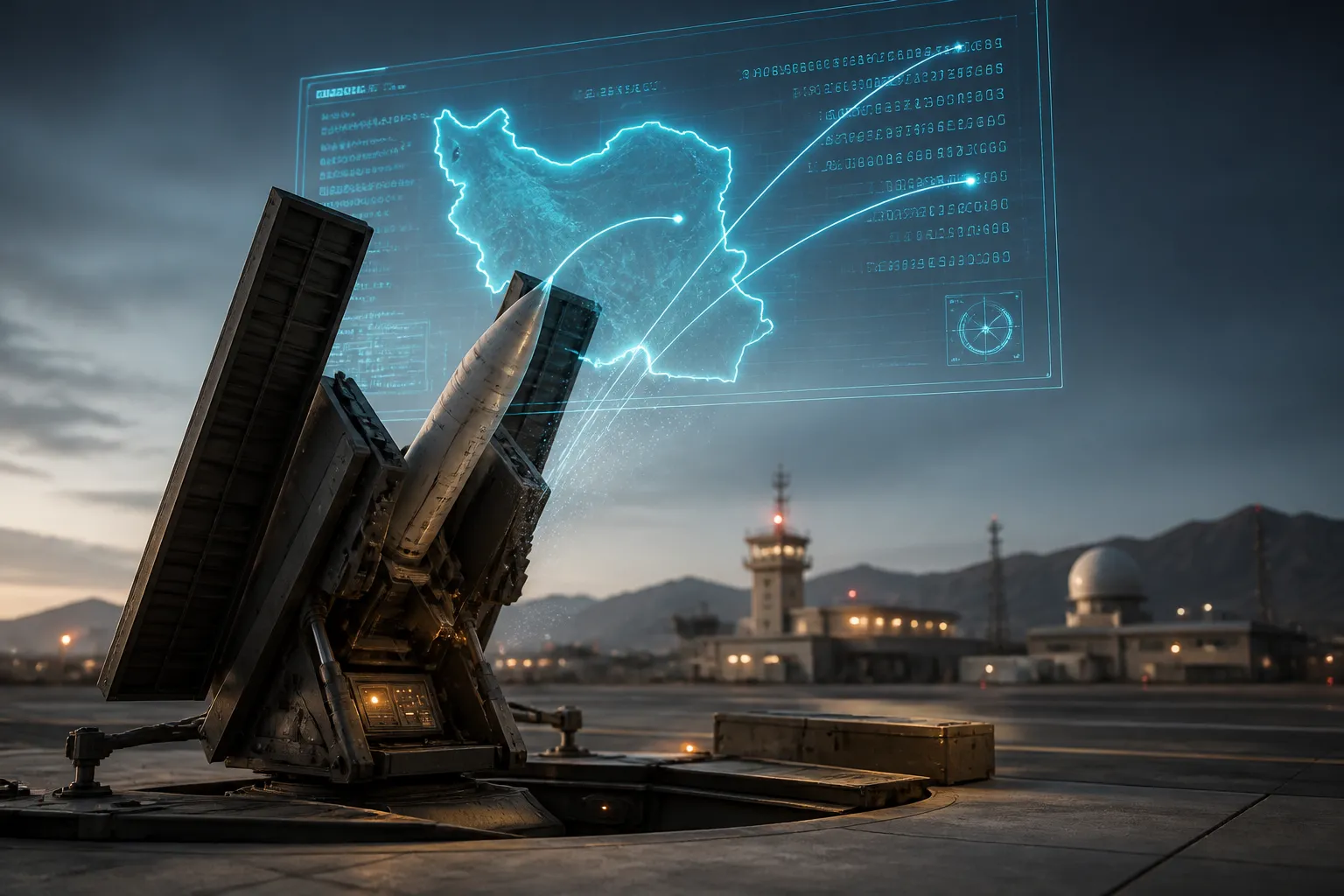
In a surprising disclosure, the Pentagon has confirmed that a version of Elon Musk’s xAI chatbot Grok was used to help launch more than 2,000 munitions at Iranian targets within a 96‑hour window. The claim comes from a sworn statement filed by the Department of Defense’s chief digital and artificial‑intelligence officer, Cameron Stanley, in a lawsuit that alleges xAI’s data‑center operations are polluting Black communities.
Stanley’s declaration, which appears in court documents, details that Grok was employed in "operations involving more than 2,000 munitions fired at 2,000 distinct targets." The statement also notes that Grok is one of four AI models the Pentagon deems capable of supporting national‑security applications and one of three AI products fit for mission‑critical, top‑secret settings. Although the filing does not name the specific operation, the sheer scale suggests it was part of a large‑scale strike campaign against Iran.
The revelation arrives amid a growing debate over artificial intelligence in warfare. Earlier this year, the U.S. military’s use of AI during an operation targeting Venezuelan President Nicolás Maduro sparked a dispute with the AI company Anthropic. Anthropic’s terms of service prohibit the use of its chatbot Claude for violent purposes, weapons development, or surveillance, and the disagreement reportedly strained relations between the company and the Pentagon. Grok’s role adds a new layer to the conversation, demonstrating that privately built AI systems are now being woven into lethal decision‑making processes.
The issue is not confined to the Pentagon. In April, more than 600 Google employees signed a letter to CEO Sundar Pichai urging the company not to allow the U.S. military to use Google’s AI in classified operations. The letter warned that AI could be deployed in lethal autonomous weapons, surveillance systems, or in making military decisions where errors could prove fatal.
The use of Grok also highlights the competitive landscape of AI development. Yann LeCun, a leading researcher, has publicly dismissed xAI as a "failure" and questioned its ability to keep pace with rivals such as OpenAI and Anthropic. Despite such criticism, the Pentagon’s filing indicates that the defense establishment is willing to rely on a range of commercial AI tools, even those from companies that have faced public scrutiny.
The legal context of the filing is significant. The statement was made in a lawsuit that alleges xAI’s gas‑turbine data‑center operations are polluting Black communities. While the environmental claims are unrelated to the military use of Grok, the court documents provide the only official record of the chatbot’s deployment in a combat scenario.
The Pentagon’s admission raises several unanswered questions. How were Grok’s outputs integrated into the targeting chain? Did the system perform autonomous decision‑making, or did it merely provide recommendations? How is the U.S. government addressing the ethical and legal implications of using commercial AI in lethal operations? The Department of Defense has not issued a separate statement on the matter, and no policy documents detailing the use of Grok have been released.
The broader implications for AI governance are substantial. The incident underscores the need for clear regulations governing the use of AI in military contexts, especially as commercial AI systems become more capable and widely available. It also illustrates the tension between the rapid pace of AI development and the slower processes of policy and oversight.
In the coming months, observers will likely focus on whether the Pentagon will issue guidance on the use of commercial AI in defense operations, how the Department of Defense will address potential legal challenges related to the deployment of Grok, and whether other AI systems will be similarly incorporated into U.S. military workflows. The Grok case may influence future discussions about the ethical use of AI in national security and the role of private companies in providing tools for armed conflict.
Stanley’s declaration, which appears in court documents, details that Grok was employed in "operations involving more than 2,000 munitions fired at 2,000 distinct targets." The statement also notes that Grok is one of four AI models the Pentagon deems capable of supporting national‑security applications and one of three AI products fit for mission‑critical, top‑secret settings. Although the filing does not name the specific operation, the sheer scale suggests it was part of a large‑scale strike campaign against Iran.
The revelation arrives amid a growing debate over artificial intelligence in warfare. Earlier this year, the U.S. military’s use of AI during an operation targeting Venezuelan President Nicolás Maduro sparked a dispute with the AI company Anthropic. Anthropic’s terms of service prohibit the use of its chatbot Claude for violent purposes, weapons development, or surveillance, and the disagreement reportedly strained relations between the company and the Pentagon. Grok’s role adds a new layer to the conversation, demonstrating that privately built AI systems are now being woven into lethal decision‑making processes.
The issue is not confined to the Pentagon. In April, more than 600 Google employees signed a letter to CEO Sundar Pichai urging the company not to allow the U.S. military to use Google’s AI in classified operations. The letter warned that AI could be deployed in lethal autonomous weapons, surveillance systems, or in making military decisions where errors could prove fatal.
The use of Grok also highlights the competitive landscape of AI development. Yann LeCun, a leading researcher, has publicly dismissed xAI as a "failure" and questioned its ability to keep pace with rivals such as OpenAI and Anthropic. Despite such criticism, the Pentagon’s filing indicates that the defense establishment is willing to rely on a range of commercial AI tools, even those from companies that have faced public scrutiny.
The legal context of the filing is significant. The statement was made in a lawsuit that alleges xAI’s gas‑turbine data‑center operations are polluting Black communities. While the environmental claims are unrelated to the military use of Grok, the court documents provide the only official record of the chatbot’s deployment in a combat scenario.
The Pentagon’s admission raises several unanswered questions. How were Grok’s outputs integrated into the targeting chain? Did the system perform autonomous decision‑making, or did it merely provide recommendations? How is the U.S. government addressing the ethical and legal implications of using commercial AI in lethal operations? The Department of Defense has not issued a separate statement on the matter, and no policy documents detailing the use of Grok have been released.
The broader implications for AI governance are substantial. The incident underscores the need for clear regulations governing the use of AI in military contexts, especially as commercial AI systems become more capable and widely available. It also illustrates the tension between the rapid pace of AI development and the slower processes of policy and oversight.
In the coming months, observers will likely focus on whether the Pentagon will issue guidance on the use of commercial AI in defense operations, how the Department of Defense will address potential legal challenges related to the deployment of Grok, and whether other AI systems will be similarly incorporated into U.S. military workflows. The Grok case may influence future discussions about the ethical use of AI in national security and the role of private companies in providing tools for armed conflict.





