Blab AI
Snaps $2,195 Specs Glasses and AWE 2026 Signal a Shift Toward Practical Spatial AI
The Augmented World Expo (AWE) opened in Long Beach on 15‑16 June 2026 with more than 6,000 attendees, a number that reflects the event’s growing influence in the virtual reality (VR), augmented reality (AR) and extended reality (XR) ecosystem. Founder Ori Inbar announced the conference’s new branding, "I, Spatial," and emphasized that the focus is on spatial computing as a platform rather than a set of novelty devices.
AWE’s key theme was the integration of artificial intelligence into spatial experiences. According to the event’s schedule, speakers highlighted how AI can provide contextual awareness, reduce latency, and enable real‑time object recognition in the physical world. The narrative shifted from demonstrations of headsets to discussions of how spatial AI can be embedded in everyday workflows, communication, and productivity tools.
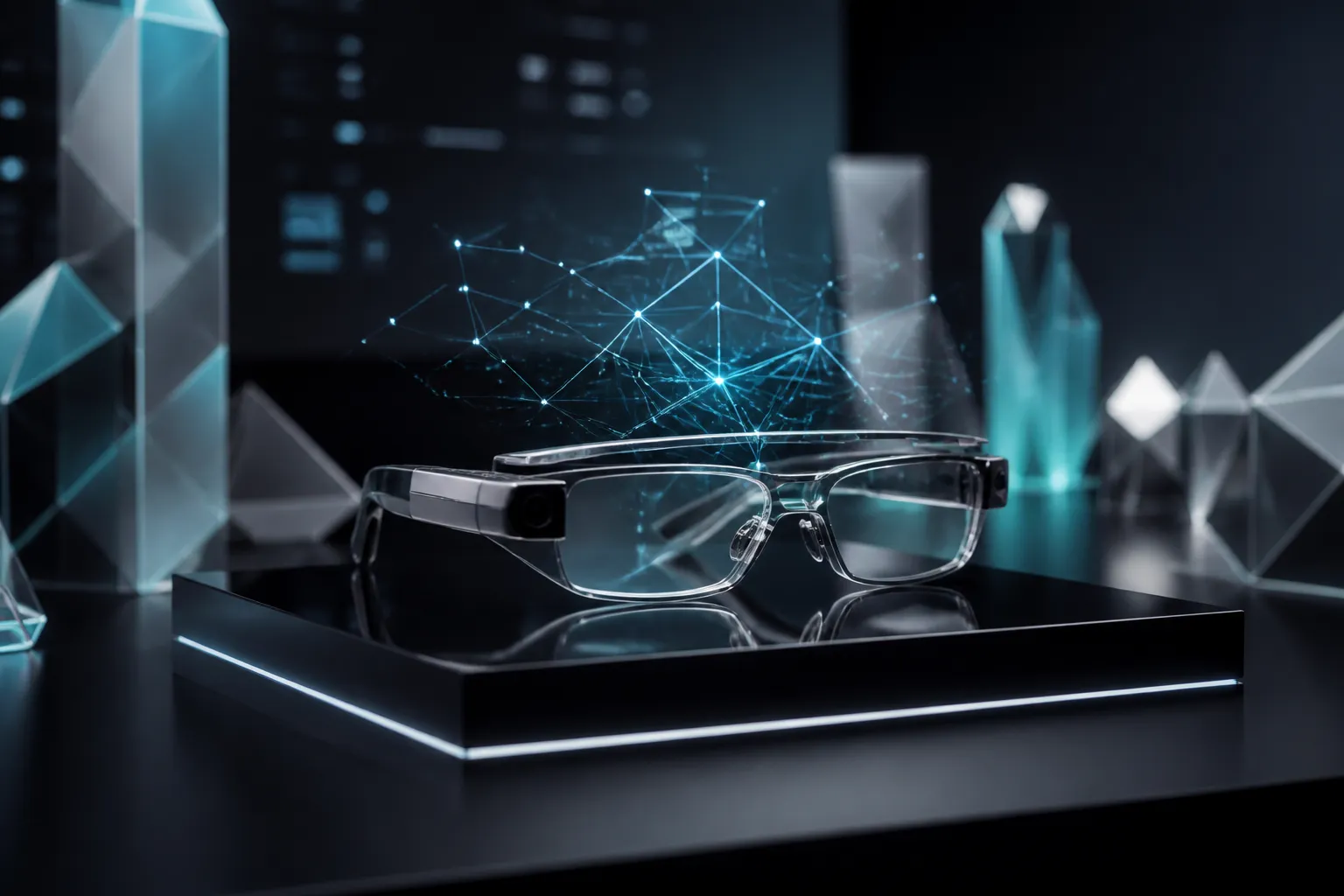
Snap Inc. delivered a headline‑making keynote on the main stage. Co‑founder and CEO Evan Spiegel presented the company’s first consumer‑grade smart glasses, named Specs. The glasses are priced at $2,195, include a 51‑degree field of view, a liquid‑crystal‑on‑silicon display that reproduces 16 million colors, and are powered by two Qualcomm Snapdragon chips—one for visual processing and one for general‑purpose tasks. Specs feature a 4‑hour battery life, on‑device processing for many functions, and cloud‑based AI for more complex interactions. Snap announced that the product will ship in the fall of 2026 and that a new subsidiary, Specs Inc., will manage the consumer line.
Snap’s offering is positioned as a direct competitor to Meta’s Ray‑Ban Meta glasses, which lack a heads‑up display but provide high‑resolution cameras and audio. While Meta’s devices focus on social media integration, Snap’s Specs aim to replace smartphone use by providing a lightweight, “computer on your face” experience. The company’s presentation suggested that the glasses will support a range of AI‑driven applications, from navigation to contextual information overlays.
Beyond hardware, the conference highlighted the convergence of AI and spatial computing. Speakers noted that AI can help glasses interpret the wearer’s surroundings, offer instant answers about objects, and guide users with visual cues. This capability is expected to reduce the latency that has historically limited AR usefulness and to make spatial experiences more natural.
Another notable development was RP1’s announcement of the Open Metaverse Browser engine, called Sneeze. The browser is described as a spatial‑optimized alternative to Blink or WebKit, enabling companies to host 3D content, load scenes based on proximity, and support real‑time spatial co‑presence. RP1 plans to release the engine as open source, and the Metaverse Standards Forum has expressed interest in adopting it as a standard platform for spatial content.
The overall industry sentiment at AWE 2026 was one of cautious optimism. While the hardware and software showcased promise, the high price point of Snap’s Specs and the early stage of spatial AI integration suggest that widespread consumer adoption remains uncertain. Enterprise use cases, however, could accelerate deployment if the technology delivers reliable productivity gains.
In summary, AWE 2026 marked a clear pivot toward practical, AI‑driven spatial computing. Snap’s Specs glasses, the Sneeze browser, and other presentations underscore a move from spectacle to functionality. The next few months will see the fall launch of Specs, potential updates to the Sneeze engine, and further discussions on standards and infrastructure that will shape the commercial trajectory of spatial AI.
AWE’s key theme was the integration of artificial intelligence into spatial experiences. According to the event’s schedule, speakers highlighted how AI can provide contextual awareness, reduce latency, and enable real‑time object recognition in the physical world. The narrative shifted from demonstrations of headsets to discussions of how spatial AI can be embedded in everyday workflows, communication, and productivity tools.
Snap Inc. delivered a headline‑making keynote on the main stage. Co‑founder and CEO Evan Spiegel presented the company’s first consumer‑grade smart glasses, named Specs. The glasses are priced at $2,195, include a 51‑degree field of view, a liquid‑crystal‑on‑silicon display that reproduces 16 million colors, and are powered by two Qualcomm Snapdragon chips—one for visual processing and one for general‑purpose tasks. Specs feature a 4‑hour battery life, on‑device processing for many functions, and cloud‑based AI for more complex interactions. Snap announced that the product will ship in the fall of 2026 and that a new subsidiary, Specs Inc., will manage the consumer line.
Snap’s offering is positioned as a direct competitor to Meta’s Ray‑Ban Meta glasses, which lack a heads‑up display but provide high‑resolution cameras and audio. While Meta’s devices focus on social media integration, Snap’s Specs aim to replace smartphone use by providing a lightweight, “computer on your face” experience. The company’s presentation suggested that the glasses will support a range of AI‑driven applications, from navigation to contextual information overlays.
Beyond hardware, the conference highlighted the convergence of AI and spatial computing. Speakers noted that AI can help glasses interpret the wearer’s surroundings, offer instant answers about objects, and guide users with visual cues. This capability is expected to reduce the latency that has historically limited AR usefulness and to make spatial experiences more natural.
Another notable development was RP1’s announcement of the Open Metaverse Browser engine, called Sneeze. The browser is described as a spatial‑optimized alternative to Blink or WebKit, enabling companies to host 3D content, load scenes based on proximity, and support real‑time spatial co‑presence. RP1 plans to release the engine as open source, and the Metaverse Standards Forum has expressed interest in adopting it as a standard platform for spatial content.
The overall industry sentiment at AWE 2026 was one of cautious optimism. While the hardware and software showcased promise, the high price point of Snap’s Specs and the early stage of spatial AI integration suggest that widespread consumer adoption remains uncertain. Enterprise use cases, however, could accelerate deployment if the technology delivers reliable productivity gains.
In summary, AWE 2026 marked a clear pivot toward practical, AI‑driven spatial computing. Snap’s Specs glasses, the Sneeze browser, and other presentations underscore a move from spectacle to functionality. The next few months will see the fall launch of Specs, potential updates to the Sneeze engine, and further discussions on standards and infrastructure that will shape the commercial trajectory of spatial AI.





