Blab AI
Missouri Governor Urges Fact-Based Dialogue on Data Centers Amid Water-Use Concerns and Amazons $10 B Expansion
On June 18, 2026, Missouri Governor Mike Kehoe addressed a crowd of about 200—capped at 250—at Missouri University of Science and Technology, urging a fact‑based conversation about the state’s expanding data‑center sector and its ties to artificial intelligence. The free, day‑long forum opened to the public; Kehoe delivered prepared remarks while panelists answered questions.
Kehoe framed the event as a rebuttal to what he called “misinformation” surrounding data centers. He warned that foreign adversaries were attempting to undermine the industry’s growth, claiming they would prefer to be the sole owners of the technology. He highlighted the economic upside, noting that the Missouri Department of Natural Resources lists between 50 and 91 data‑center facilities in the state.
The forum was interrupted by protesters in the parking lot. Activists from Clean Earth 4 Kids, led by Suzanne Hume, chanted about the water usage of data centers and criticized the event’s limited transparency. Hume called for statewide regulations and local ordinances to protect residents’ health and the environment.
Kehoe said the discussion would tackle concerns he labeled misinformation and would focus on workforce development and economic opportunities. He stressed that AI is not a distant technology but a present reality that Missouri should help shape.
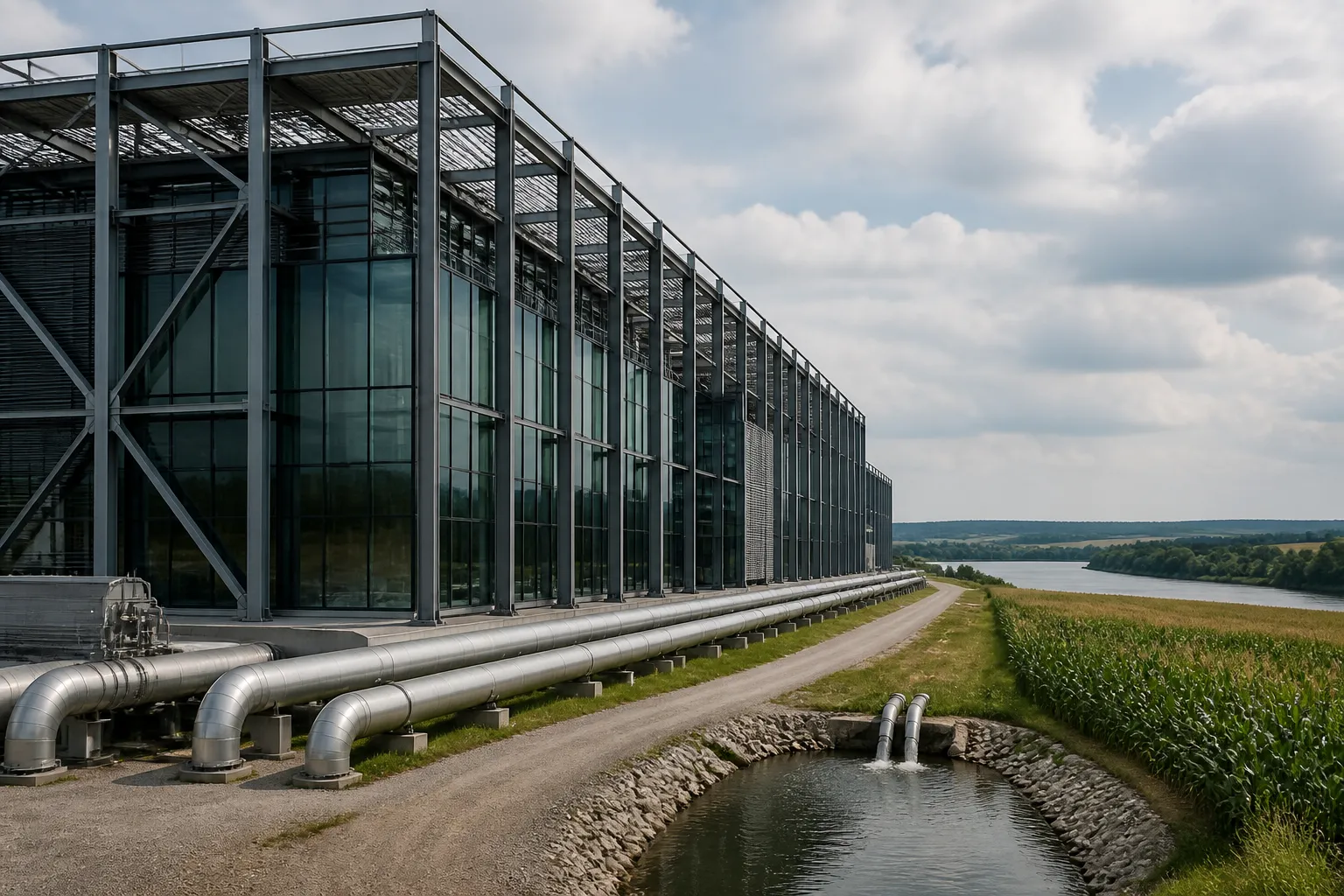
The timing of the forum aligns with Amazon’s announcement of a $10 billion data‑center campus in Montgomery County, expected to create hundreds of direct jobs and generate significant tax revenue. Amazon’s plan includes a water‑consumption estimate of roughly 50 million gallons per year, drawing on wells drilled 1,500 feet underground. The company’s public documents also note that large data centers can consume over 5 million gallons of water per day, most of which is evaporated and can concentrate pollutants such as PFAS, nitrates, and heavy metals.
In response, Republican State Representative Tricia Byrnes has introduced the People Before Powerful Interests Act. The bill would impose enhanced public disclosure requirements, independent review standards, and county‑wide voter approval for projects that receive public incentives. Byrnes also proposes a statewide moratorium on new hyperscale data‑center projects until local communities can assess the impacts.
Missouri’s Department of Natural Resources does not specifically regulate data centers but enforces statutes that protect air, water, and soil. The state has recently passed legislation requiring data‑center operators to pay for all electricity they consume, ensuring that local utility customers are not subsidized.
The debate reflects a broader national conversation about the environmental footprint of data‑center infrastructure. While the industry drives economic growth and supports AI workloads, it also places significant demands on water and energy resources. Local opposition has led to stalled projects in other states, and Missouri lawmakers are now considering measures to balance development with environmental stewardship.
In summary, Governor Kehoe’s forum sought to counter misinformation and promote data‑center growth, while activists and legislators highlighted water‑use concerns and called for greater transparency and regulation. Amazon’s $10 billion investment in Montgomery County underscores the economic stakes, and the proposed People Before Powerful Interests Act could reshape how future projects are evaluated and approved in Missouri.
The current situation remains fluid: Amazon’s project is still in the planning phase, the state’s new legislation is pending approval, and data‑center operators are awaiting clearer regulatory guidance. Residents and stakeholders will continue to monitor how these developments unfold and whether Missouri can reconcile economic benefits with environmental responsibilities.
Kehoe framed the event as a rebuttal to what he called “misinformation” surrounding data centers. He warned that foreign adversaries were attempting to undermine the industry’s growth, claiming they would prefer to be the sole owners of the technology. He highlighted the economic upside, noting that the Missouri Department of Natural Resources lists between 50 and 91 data‑center facilities in the state.
The forum was interrupted by protesters in the parking lot. Activists from Clean Earth 4 Kids, led by Suzanne Hume, chanted about the water usage of data centers and criticized the event’s limited transparency. Hume called for statewide regulations and local ordinances to protect residents’ health and the environment.
Kehoe said the discussion would tackle concerns he labeled misinformation and would focus on workforce development and economic opportunities. He stressed that AI is not a distant technology but a present reality that Missouri should help shape.
The timing of the forum aligns with Amazon’s announcement of a $10 billion data‑center campus in Montgomery County, expected to create hundreds of direct jobs and generate significant tax revenue. Amazon’s plan includes a water‑consumption estimate of roughly 50 million gallons per year, drawing on wells drilled 1,500 feet underground. The company’s public documents also note that large data centers can consume over 5 million gallons of water per day, most of which is evaporated and can concentrate pollutants such as PFAS, nitrates, and heavy metals.
In response, Republican State Representative Tricia Byrnes has introduced the People Before Powerful Interests Act. The bill would impose enhanced public disclosure requirements, independent review standards, and county‑wide voter approval for projects that receive public incentives. Byrnes also proposes a statewide moratorium on new hyperscale data‑center projects until local communities can assess the impacts.
Missouri’s Department of Natural Resources does not specifically regulate data centers but enforces statutes that protect air, water, and soil. The state has recently passed legislation requiring data‑center operators to pay for all electricity they consume, ensuring that local utility customers are not subsidized.
The debate reflects a broader national conversation about the environmental footprint of data‑center infrastructure. While the industry drives economic growth and supports AI workloads, it also places significant demands on water and energy resources. Local opposition has led to stalled projects in other states, and Missouri lawmakers are now considering measures to balance development with environmental stewardship.
In summary, Governor Kehoe’s forum sought to counter misinformation and promote data‑center growth, while activists and legislators highlighted water‑use concerns and called for greater transparency and regulation. Amazon’s $10 billion investment in Montgomery County underscores the economic stakes, and the proposed People Before Powerful Interests Act could reshape how future projects are evaluated and approved in Missouri.
The current situation remains fluid: Amazon’s project is still in the planning phase, the state’s new legislation is pending approval, and data‑center operators are awaiting clearer regulatory guidance. Residents and stakeholders will continue to monitor how these developments unfold and whether Missouri can reconcile economic benefits with environmental responsibilities.





