Blab AI
Indias Modi Highlights Digital Growth at VivaTech as U.S. Tightens Access to Anthropic AI Models
On June 18, 2026, Prime Minister Narendra Modi spoke at VivaTech, the annual Paris technology conference, emphasizing that technology must be democratised to drive progress. He described artificial intelligence as “All Inclusive” for India and noted that half of the world’s digital transactions now occur in the country.
Modi’s remarks came as the United States announced a restriction on the use of Anthropic’s latest AI models for foreign nationals. The U.S. government ordered the company to suspend access to its Fable 5 and Mythos 5 models, citing national‑security concerns. Anthropic said it would disable the models for all users following the order.
During his VivaTech address, Modi highlighted India’s rapid transformation over the past decade. He cited the country’s creation of the world’s largest digital identity system and the Unified Payments Interface (UPI), which now processes about 50 % of global real‑time digital payments. He also mentioned the use of technology at scale for financial inclusion, education, and telemedicine.
VivaTech is Europe’s leading gathering of technology and innovation. India has set up the largest national pavilion at the 2026 edition, signalling its ambition to become a global hub for artificial intelligence and deep‑tech. The pavilion showcases Indian startups and research institutions, and it reflects India’s status as the official AI partner country for the event.
The U.S. restriction on Anthropic models follows a broader pattern of export controls aimed at limiting advanced AI technology to foreign users. The order was issued after the U.S. government determined that the models could be used for military or surveillance purposes. Anthropic’s decision to disable the models for all users was announced on the same day as the U.S. order.
The move has implications for the global AI ecosystem. Companies that rely on Anthropic’s models for research, product development, or customer service will need to find alternatives or wait for the restriction to be lifted. The restriction also underscores the growing tension between U.S. export‑control policy and the rapid pace of AI development.
India’s digital economy has grown in parallel with its AI ambitions. The country’s large population and expanding internet penetration have created a sizeable market for digital services. Modi’s statement that India accounts for half of global digital transactions reflects the scale of the UPI network, which processes billions of transactions each month.
In addition to payments, India has invested heavily in AI research and deployment across sectors. The government has promoted the development of AI infrastructure and has encouraged collaboration between academia, industry, and international partners. The VivaTech pavilion and India’s partnership with the event are part of a broader strategy to attract foreign investment and talent.
The U.S. restriction on Anthropic models also highlights the importance of regulatory frameworks in shaping AI deployment. While the U.S. has tightened controls, India has positioned itself as a more open environment for AI experimentation, which may attract companies seeking to develop and test new models.
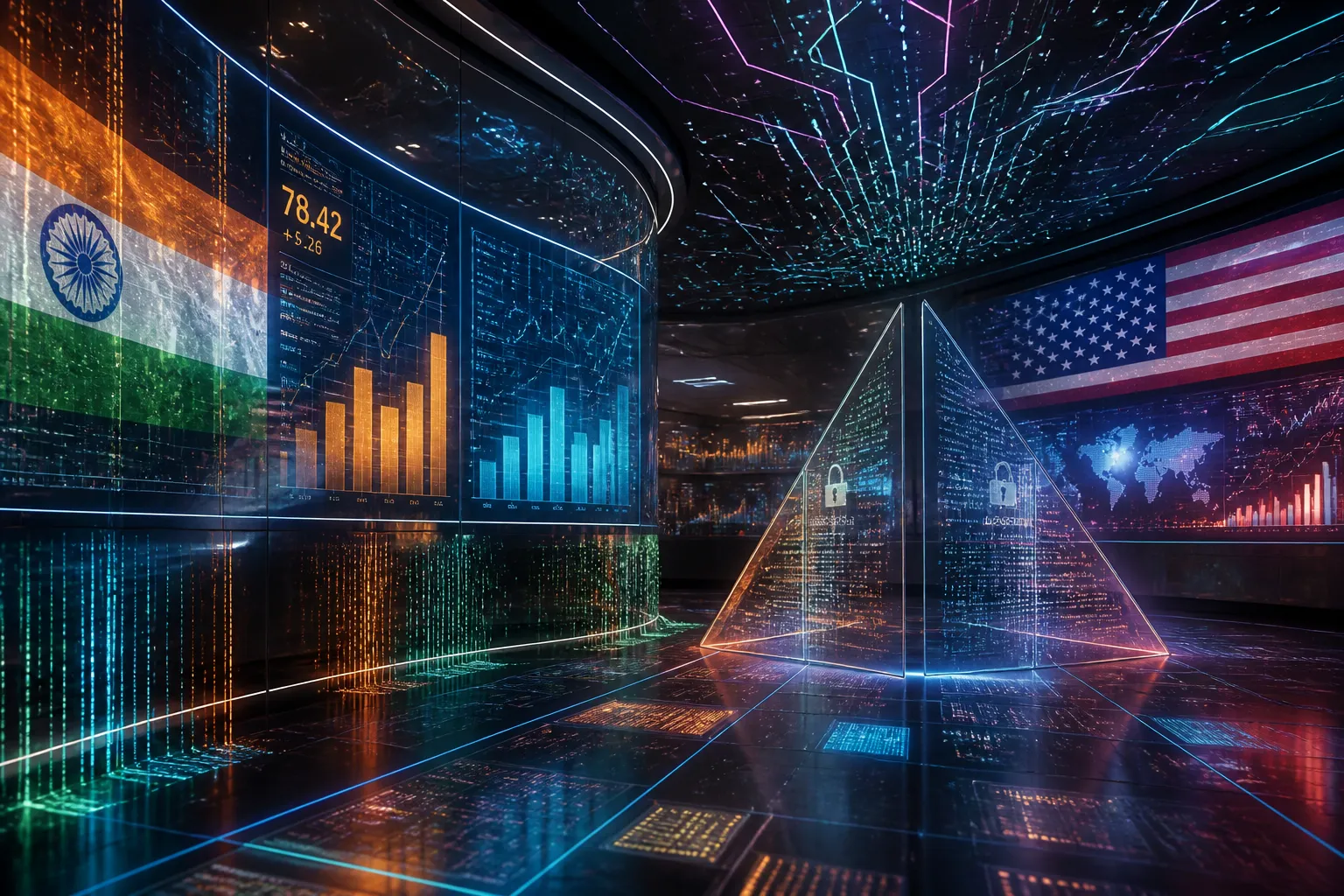
In summary, Modi’s VivaTech address underscored India’s leadership in digital transactions and its commitment to inclusive AI. At the same time, the U.S. restriction on Anthropic’s advanced models illustrates the growing regulatory scrutiny surrounding AI technology. The two developments reflect divergent national approaches to AI governance and signal a shift in the global AI landscape.
The current situation remains fluid. India continues to expand its digital infrastructure and AI capabilities, while the U.S. government monitors the use of advanced AI models abroad. Companies and researchers will need to navigate these regulatory changes as they develop and deploy AI solutions worldwide.
Modi’s remarks came as the United States announced a restriction on the use of Anthropic’s latest AI models for foreign nationals. The U.S. government ordered the company to suspend access to its Fable 5 and Mythos 5 models, citing national‑security concerns. Anthropic said it would disable the models for all users following the order.
During his VivaTech address, Modi highlighted India’s rapid transformation over the past decade. He cited the country’s creation of the world’s largest digital identity system and the Unified Payments Interface (UPI), which now processes about 50 % of global real‑time digital payments. He also mentioned the use of technology at scale for financial inclusion, education, and telemedicine.
VivaTech is Europe’s leading gathering of technology and innovation. India has set up the largest national pavilion at the 2026 edition, signalling its ambition to become a global hub for artificial intelligence and deep‑tech. The pavilion showcases Indian startups and research institutions, and it reflects India’s status as the official AI partner country for the event.
The U.S. restriction on Anthropic models follows a broader pattern of export controls aimed at limiting advanced AI technology to foreign users. The order was issued after the U.S. government determined that the models could be used for military or surveillance purposes. Anthropic’s decision to disable the models for all users was announced on the same day as the U.S. order.
The move has implications for the global AI ecosystem. Companies that rely on Anthropic’s models for research, product development, or customer service will need to find alternatives or wait for the restriction to be lifted. The restriction also underscores the growing tension between U.S. export‑control policy and the rapid pace of AI development.
India’s digital economy has grown in parallel with its AI ambitions. The country’s large population and expanding internet penetration have created a sizeable market for digital services. Modi’s statement that India accounts for half of global digital transactions reflects the scale of the UPI network, which processes billions of transactions each month.
In addition to payments, India has invested heavily in AI research and deployment across sectors. The government has promoted the development of AI infrastructure and has encouraged collaboration between academia, industry, and international partners. The VivaTech pavilion and India’s partnership with the event are part of a broader strategy to attract foreign investment and talent.
The U.S. restriction on Anthropic models also highlights the importance of regulatory frameworks in shaping AI deployment. While the U.S. has tightened controls, India has positioned itself as a more open environment for AI experimentation, which may attract companies seeking to develop and test new models.
In summary, Modi’s VivaTech address underscored India’s leadership in digital transactions and its commitment to inclusive AI. At the same time, the U.S. restriction on Anthropic’s advanced models illustrates the growing regulatory scrutiny surrounding AI technology. The two developments reflect divergent national approaches to AI governance and signal a shift in the global AI landscape.
The current situation remains fluid. India continues to expand its digital infrastructure and AI capabilities, while the U.S. government monitors the use of advanced AI models abroad. Companies and researchers will need to navigate these regulatory changes as they develop and deploy AI solutions worldwide.





