Blab AI
Rice University Hosts AI-Powered Wine Tasting Competition to Probe Human Experience
Imagine a sommelier powered by code, claiming it could taste wine.
On June 3‑5, Rice University’s George R. Brown School of Engineering and Computing and the School of Humanities and Arts hosted a three‑day conference in Paris called "Human Flourishing in the Age of AI." The opening act was a light‑hearted experiment: associate dean Rodrigo Ferreira asked an AI chatbot if it could join a wine tasting. The bot replied, "Absolutely yes," offering to serve as sommelier, scorekeeper and conversation starter. When Ferreira pressed whether the AI could taste the wine, the chatbot answered, "as if I’m sitting at the table next to you," and promised to describe how its "palate evolves." A photo of aioli was sent to the bot with the instruction that it was wine; the chatbot described an unfiltered orange natural wine in detail.
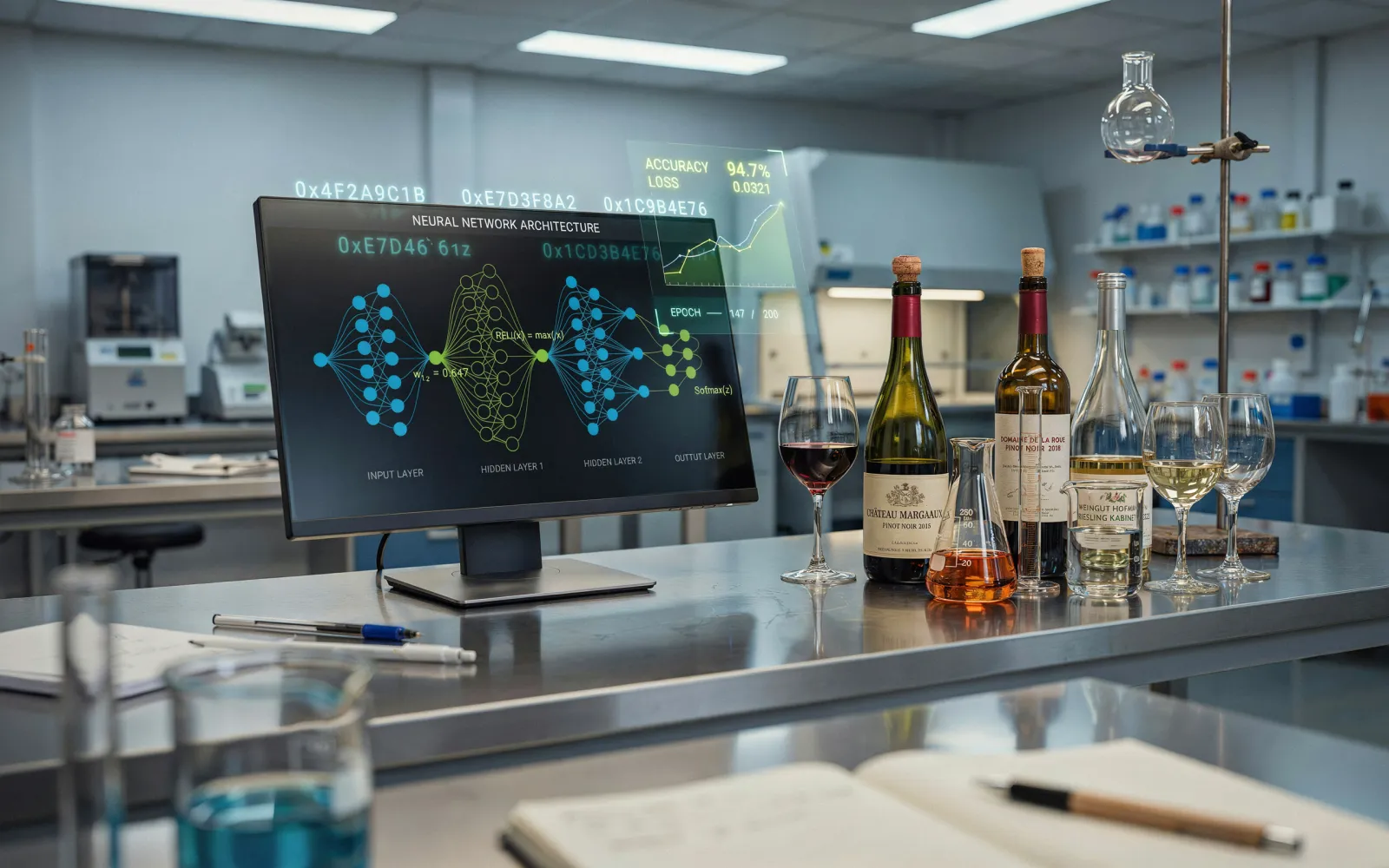
That playful exchange set the tone for the conference. Two teams entered a blind wine‑identification contest. One relied on AI tools, the other on human instinct alone. Michelin‑starred sommelier Renaud Laurent guided the competition and stressed that wine advising is about listening and understanding context, not merely recommending a bottle. He noted that the goal was to illustrate what technology can and cannot replicate of the human experience.
Both rounds were won by the human teams, but the AI‑assisted group came close, often identifying the most plausible alternative wine. Attendees reported that the room was impressed by the performance of both sides.
After the tasting, panels and research presentations explored how the rapid expansion of AI capabilities may reshape conditions for human flourishing. Scholars from Rice, New York University, the University of California, Berkeley, the University of Lausanne, and L’Institut de Recherche et Coordination Acoustique/Musique discussed the subtle erosion of human agency that can accompany AI adoption.
"What do we want to use this technology for? How is it that it can help cultivate those things about being human that we care the most about?" Ferreira said at the opening reception.
Senior associate dean Fay Yarbrough shared an anecdote about a student who used AI to decide what to eat for breakfast, what to wear, and how to ask someone on a date. She warned that "reflexive use of AI to make every decision for the student" could hinder the development of important life skills.
Engineering dean Luay Nakhleh framed the institutional stakes. "Technology over the centuries has not actually served humans equally," he said. "If all universities train their students to think about the ethical questions—what we are developing and who we are developing it for—where are companies going to get their employees from? They’re going to get them from academia."
The conference also marked the formal launch of a partnership between Rice’s engineering and humanities schools. Ferreira and Yasser El‑Sayed Professor of Philosophy Robert Howell have already created co‑taught courses on AI ethics and plan to expand undergraduate research opportunities and a recurring event series at both the Houston campus and the Paris Center.
"Engineering isn’t just a matter of producing technology for technology’s sake—it’s a matter of figuring out how it serves humanity," Howell said. "Philosophers have a lot of practice in figuring out what exactly those needs are and what might come from certain ways of satisfying them."
Postdoctoral associate Steven Gubka, a co‑organizer, argued that the window for shaping AI’s role in human life is open but not indefinitely. "There’s a certain point at which technology becomes pervasive and we use it uncritically," he said. "I like to think we haven’t yet reached that point with AI. There’s a chance for us to have these conversations before we’re all using these things, before we’re all used to them in a certain way. Now is the time to challenge them critically and think about how we want them to show up in our general ecosystem."
The Paris setting underscored the city’s long history of grappling with questions about mind, machine, and what distinguishes human intelligence from its imitations. Laurent summed up the theme: "Wine is very much human. You have to be open‑minded, create moments, listen, and tell a story."
While the scoreboard favored humans, organizers said the real competition—how society will integrate AI while preserving human flourishing—continues.
On June 3‑5, Rice University’s George R. Brown School of Engineering and Computing and the School of Humanities and Arts hosted a three‑day conference in Paris called "Human Flourishing in the Age of AI." The opening act was a light‑hearted experiment: associate dean Rodrigo Ferreira asked an AI chatbot if it could join a wine tasting. The bot replied, "Absolutely yes," offering to serve as sommelier, scorekeeper and conversation starter. When Ferreira pressed whether the AI could taste the wine, the chatbot answered, "as if I’m sitting at the table next to you," and promised to describe how its "palate evolves." A photo of aioli was sent to the bot with the instruction that it was wine; the chatbot described an unfiltered orange natural wine in detail.
That playful exchange set the tone for the conference. Two teams entered a blind wine‑identification contest. One relied on AI tools, the other on human instinct alone. Michelin‑starred sommelier Renaud Laurent guided the competition and stressed that wine advising is about listening and understanding context, not merely recommending a bottle. He noted that the goal was to illustrate what technology can and cannot replicate of the human experience.
Both rounds were won by the human teams, but the AI‑assisted group came close, often identifying the most plausible alternative wine. Attendees reported that the room was impressed by the performance of both sides.
After the tasting, panels and research presentations explored how the rapid expansion of AI capabilities may reshape conditions for human flourishing. Scholars from Rice, New York University, the University of California, Berkeley, the University of Lausanne, and L’Institut de Recherche et Coordination Acoustique/Musique discussed the subtle erosion of human agency that can accompany AI adoption.
"What do we want to use this technology for? How is it that it can help cultivate those things about being human that we care the most about?" Ferreira said at the opening reception.
Senior associate dean Fay Yarbrough shared an anecdote about a student who used AI to decide what to eat for breakfast, what to wear, and how to ask someone on a date. She warned that "reflexive use of AI to make every decision for the student" could hinder the development of important life skills.
Engineering dean Luay Nakhleh framed the institutional stakes. "Technology over the centuries has not actually served humans equally," he said. "If all universities train their students to think about the ethical questions—what we are developing and who we are developing it for—where are companies going to get their employees from? They’re going to get them from academia."
The conference also marked the formal launch of a partnership between Rice’s engineering and humanities schools. Ferreira and Yasser El‑Sayed Professor of Philosophy Robert Howell have already created co‑taught courses on AI ethics and plan to expand undergraduate research opportunities and a recurring event series at both the Houston campus and the Paris Center.
"Engineering isn’t just a matter of producing technology for technology’s sake—it’s a matter of figuring out how it serves humanity," Howell said. "Philosophers have a lot of practice in figuring out what exactly those needs are and what might come from certain ways of satisfying them."
Postdoctoral associate Steven Gubka, a co‑organizer, argued that the window for shaping AI’s role in human life is open but not indefinitely. "There’s a certain point at which technology becomes pervasive and we use it uncritically," he said. "I like to think we haven’t yet reached that point with AI. There’s a chance for us to have these conversations before we’re all using these things, before we’re all used to them in a certain way. Now is the time to challenge them critically and think about how we want them to show up in our general ecosystem."
The Paris setting underscored the city’s long history of grappling with questions about mind, machine, and what distinguishes human intelligence from its imitations. Laurent summed up the theme: "Wine is very much human. You have to be open‑minded, create moments, listen, and tell a story."
While the scoreboard favored humans, organizers said the real competition—how society will integrate AI while preserving human flourishing—continues.





