Blab AI
AI Companions Aim to Reduce Loneliness Among Older Adults, Experts Say
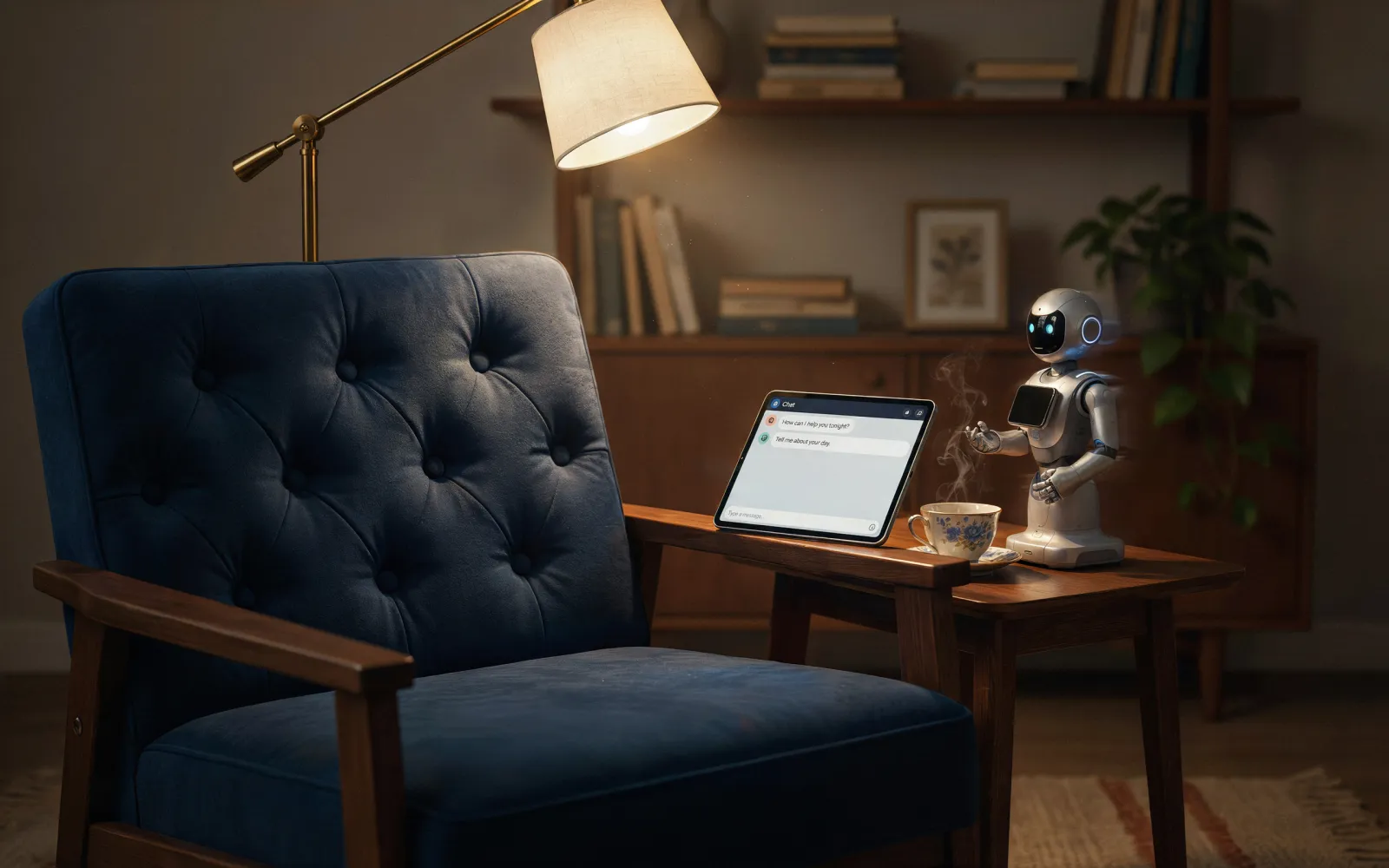
One in three U.S. adults says they feel lonely, a figure the Centers for Disease Control and Prevention has highlighted as a growing public‑health concern. In response, several tech firms have rolled out AI‑powered chatbots that promise to serve as 24‑hour conversational companions for seniors.
The new tools can remember personal details, deliver reminders, and keep users engaged in dialogue, according to research from the group Aging Untold. They are designed to act as a digital friend that is always on call.
Experts warn that the devices are meant to supplement, not replace, human interaction. Gerontologist Sam Cradduck said the chatbots can help with routine check‑ins while family members are at work, but she emphasized that they should never substitute a phone call to a parent or grandparent. “You still need human interaction,” she noted.
Dr. Rhea Rogers, a board‑certified physician, added that the information supplied by the bots is not always accurate. She warned that overreliance on AI could lead to misinformation, yet acknowledged the potential benefit of reducing isolation, which is linked to depression and physical health problems.
The technology has attracted interest from older adults living in rural areas. Amy O’Rourke, an aging expert, became a supporter after seeing a clip of a woman in a remote community talking to a chatbot. “She was so happy and so fulfilled and so engaged,” O’Rourke said. “I thought, well, if you don’t have anybody at least.” She cited studies that show the bots can lessen loneliness for seniors who lack easy access to family or friends.
Katherine Ambrose, an aging‑well coach, explained that some chatbots can ask users about their life history and record the answers for relatives. This feature could preserve legacy conversations and provide family members with a record of a loved one’s memories.
The six key takeaways highlighted by Aging Untold are:
1. Supplementary role – AI companions are best used for check‑ins and reminders between human visits, not as a replacement for family contact. 2. Accuracy concerns – Users and caregivers should verify advice from the bots, as the information is not always correct. 3. Rural benefit – Seniors in isolated communities may gain meaningful engagement from the technology. 4. Caregiver support – The bots can handle routine tasks, helping caregivers balance responsibilities. 5. Memory‑care potential – Facilities may use chatbots to enhance programming when staff are limited. 6. Legacy preservation – Some bots can record personal histories for future reference.
While the devices promise to ease loneliness, the developers and researchers stress that they are educational tools only. The program is not a substitute for medical advice, and users are urged to consult licensed health professionals for health concerns. The Aging Untold disclaimer advises that no physician‑patient relationship is created by using the chatbot.
In short, AI companions are emerging as a low‑cost, always‑available option for seniors who feel isolated. The technology offers practical benefits for caregivers and rural communities, but experts agree that it should be integrated carefully, with clear limits on its use and an emphasis on maintaining human connections.
As the market for elder‑care technology expands, further studies will be needed to evaluate long‑term outcomes, data privacy implications, and the accuracy of the information provided. For now, the chatbots represent a promising, though not definitive, step toward addressing the growing public‑health issue of loneliness among older adults.
The new tools can remember personal details, deliver reminders, and keep users engaged in dialogue, according to research from the group Aging Untold. They are designed to act as a digital friend that is always on call.
Experts warn that the devices are meant to supplement, not replace, human interaction. Gerontologist Sam Cradduck said the chatbots can help with routine check‑ins while family members are at work, but she emphasized that they should never substitute a phone call to a parent or grandparent. “You still need human interaction,” she noted.
Dr. Rhea Rogers, a board‑certified physician, added that the information supplied by the bots is not always accurate. She warned that overreliance on AI could lead to misinformation, yet acknowledged the potential benefit of reducing isolation, which is linked to depression and physical health problems.
The technology has attracted interest from older adults living in rural areas. Amy O’Rourke, an aging expert, became a supporter after seeing a clip of a woman in a remote community talking to a chatbot. “She was so happy and so fulfilled and so engaged,” O’Rourke said. “I thought, well, if you don’t have anybody at least.” She cited studies that show the bots can lessen loneliness for seniors who lack easy access to family or friends.
Katherine Ambrose, an aging‑well coach, explained that some chatbots can ask users about their life history and record the answers for relatives. This feature could preserve legacy conversations and provide family members with a record of a loved one’s memories.
The six key takeaways highlighted by Aging Untold are:
1. Supplementary role – AI companions are best used for check‑ins and reminders between human visits, not as a replacement for family contact. 2. Accuracy concerns – Users and caregivers should verify advice from the bots, as the information is not always correct. 3. Rural benefit – Seniors in isolated communities may gain meaningful engagement from the technology. 4. Caregiver support – The bots can handle routine tasks, helping caregivers balance responsibilities. 5. Memory‑care potential – Facilities may use chatbots to enhance programming when staff are limited. 6. Legacy preservation – Some bots can record personal histories for future reference.
While the devices promise to ease loneliness, the developers and researchers stress that they are educational tools only. The program is not a substitute for medical advice, and users are urged to consult licensed health professionals for health concerns. The Aging Untold disclaimer advises that no physician‑patient relationship is created by using the chatbot.
In short, AI companions are emerging as a low‑cost, always‑available option for seniors who feel isolated. The technology offers practical benefits for caregivers and rural communities, but experts agree that it should be integrated carefully, with clear limits on its use and an emphasis on maintaining human connections.
As the market for elder‑care technology expands, further studies will be needed to evaluate long‑term outcomes, data privacy implications, and the accuracy of the information provided. For now, the chatbots represent a promising, though not definitive, step toward addressing the growing public‑health issue of loneliness among older adults.





