Blab AI
Ukraines Defence Ministry Pushes AI to Create Unified Battlefield Decision-Making System
In the heart of Kyiv, a new AI hub is turning the tide of war. On 12 June 2026, Danylo Tsvok, the chief of Ukraine’s fledgling Defence Ministry AI centre, told Reuters that artificial intelligence is already reshaping the conflict and that a single, networked AI system could become the decisive factor in the coming years.
Tsvok, who assumed leadership of the centre when it was founded in March, described AI as the engine of a new warfare paradigm. "The system that has more data and understands it better will propose solutions, and that system will gain the advantage over the other," he said.
Ukraine’s roughly one‑million‑strong armed forces have been employing AI tools in their command systems for months. The country already uses AI to direct drones at targets, plan combat operations, and analyse data on Russian missile attacks. Drones—still flown by pilots—have become a central element of the conflict, with Ukrainian and Russian forces launching thousands of unmanned aerial vehicles each day.
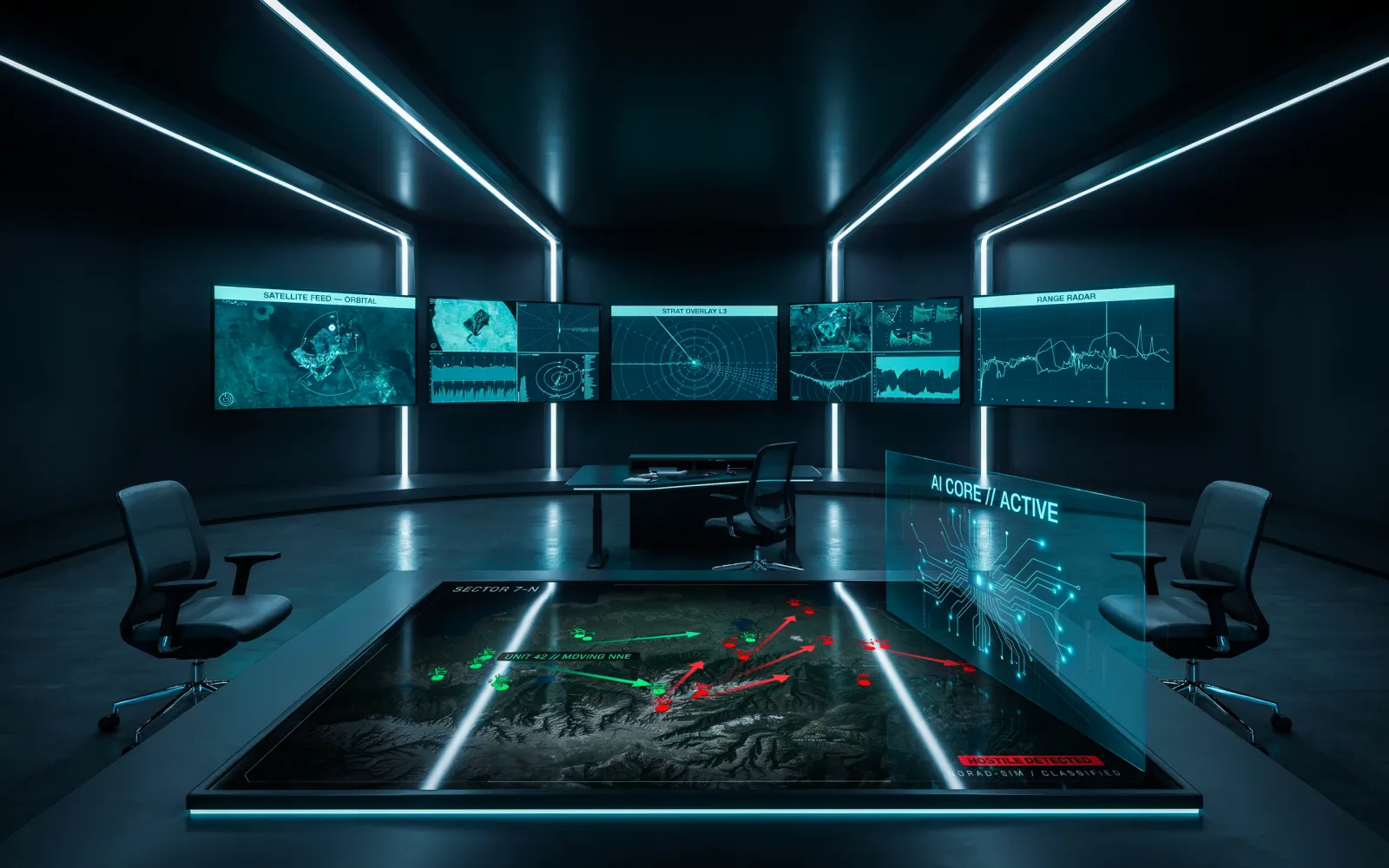
The AI centre’s ambition is to build a single operating system that can recommend battlefield decisions from individual frontline units up to strategic command. Tsvok explained that the system would accelerate the analysis of data from the 1,200‑kilometre front line and allow commanders to receive actionable recommendations.
"The aim is to unite weapons and data systems into one single living organism that can operate in a coordinated manner," he added.
Ukraine’s push for data‑driven defence is part of Defence Minister Mykhailo Fedorov’s broader reform agenda. The ministry is also developing an AI‑driven recruitment and human‑resources system.
The war, which began with Russia’s full‑scale invasion on 24 February 2022, has become the largest conflict in Europe since World War II. In this environment, both sides are accelerating the integration of AI into military operations.
Russia has reportedly increased its use of AI to plan drone and missile strikes on cities, potentially shortening the planning time for each attack. A senior Ukrainian air‑defence commander expressed concern about the speed at which Russian AI can be applied.
Ukraine has also opened its Brave1 Dataroom, a platform that shares battlefield data with allied countries to train AI models. According to reports, the centre has partnered with the U.S. company Palantir to provide data‑integration and analytics software.
"This is the place where you can understand whether your system works," Tsvok said, describing the Dataroom.
The integration of AI into Ukraine’s defence infrastructure is not limited to battlefield operations. The ministry’s AI centre is working on systems that could eventually outpace human decision‑makers, raising questions about how to keep up with autonomous proposals.
"Then the question arises: how do we keep up with making decisions that autonomous systems propose?" Tsvok said.
The Ukrainian approach remains human‑in‑the‑loop for combat decisions, but the ministry is exploring how AI can accelerate the kill chain—planning and executing a strike—while maintaining human oversight.
The broader trend of using AI in war has attracted foreign companies interested in combat data for training models and testing systems. Palantir, for example, has supplied Ukraine with its data‑analysis platforms, and other firms are reportedly exploring similar collaborations.
As the conflict continues, the Defence Ministry’s AI initiatives aim to create a unified, data‑rich decision‑making environment that could give Ukraine a decisive edge. The success of these efforts will depend on the speed of development, the quality of data, and the ability to integrate AI recommendations into existing command structures.
The war’s technological dimension is evolving rapidly, and Ukraine’s AI strategy represents a significant step toward a new paradigm of warfare where data and machine learning play central roles in battlefield outcomes.
Tsvok, who assumed leadership of the centre when it was founded in March, described AI as the engine of a new warfare paradigm. "The system that has more data and understands it better will propose solutions, and that system will gain the advantage over the other," he said.
Ukraine’s roughly one‑million‑strong armed forces have been employing AI tools in their command systems for months. The country already uses AI to direct drones at targets, plan combat operations, and analyse data on Russian missile attacks. Drones—still flown by pilots—have become a central element of the conflict, with Ukrainian and Russian forces launching thousands of unmanned aerial vehicles each day.
The AI centre’s ambition is to build a single operating system that can recommend battlefield decisions from individual frontline units up to strategic command. Tsvok explained that the system would accelerate the analysis of data from the 1,200‑kilometre front line and allow commanders to receive actionable recommendations.
"The aim is to unite weapons and data systems into one single living organism that can operate in a coordinated manner," he added.
Ukraine’s push for data‑driven defence is part of Defence Minister Mykhailo Fedorov’s broader reform agenda. The ministry is also developing an AI‑driven recruitment and human‑resources system.
The war, which began with Russia’s full‑scale invasion on 24 February 2022, has become the largest conflict in Europe since World War II. In this environment, both sides are accelerating the integration of AI into military operations.
Russia has reportedly increased its use of AI to plan drone and missile strikes on cities, potentially shortening the planning time for each attack. A senior Ukrainian air‑defence commander expressed concern about the speed at which Russian AI can be applied.
Ukraine has also opened its Brave1 Dataroom, a platform that shares battlefield data with allied countries to train AI models. According to reports, the centre has partnered with the U.S. company Palantir to provide data‑integration and analytics software.
"This is the place where you can understand whether your system works," Tsvok said, describing the Dataroom.
The integration of AI into Ukraine’s defence infrastructure is not limited to battlefield operations. The ministry’s AI centre is working on systems that could eventually outpace human decision‑makers, raising questions about how to keep up with autonomous proposals.
"Then the question arises: how do we keep up with making decisions that autonomous systems propose?" Tsvok said.
The Ukrainian approach remains human‑in‑the‑loop for combat decisions, but the ministry is exploring how AI can accelerate the kill chain—planning and executing a strike—while maintaining human oversight.
The broader trend of using AI in war has attracted foreign companies interested in combat data for training models and testing systems. Palantir, for example, has supplied Ukraine with its data‑analysis platforms, and other firms are reportedly exploring similar collaborations.
As the conflict continues, the Defence Ministry’s AI initiatives aim to create a unified, data‑rich decision‑making environment that could give Ukraine a decisive edge. The success of these efforts will depend on the speed of development, the quality of data, and the ability to integrate AI recommendations into existing command structures.
The war’s technological dimension is evolving rapidly, and Ukraine’s AI strategy represents a significant step toward a new paradigm of warfare where data and machine learning play central roles in battlefield outcomes.





