Blab AI
Apple Unveils Siri AI at WWDC 2026, Expanding Personal Context While Leaving Third-Party Data Gap
Apple’s 2026 Worldwide Developers Conference opened on Monday, June 8, 2026, at Apple Park in Cupertino. The day began quietly, but the company’s sole headline was the debut of Siri AI—a new iteration of its long‑running virtual assistant that sits at the heart of Apple’s broader AI strategy, Apple Intelligence.
Apple Intelligence, announced in 2024, bundles on‑device and server‑based artificial‑intelligence features that run on iOS 27, iPadOS 27, macOS Golden Gate, visionOS 27, and watchOS 27. Its core is a family of Apple Foundation Models (AFMs). Apple says the AFMs include a 3‑billion‑parameter model that runs on Apple silicon for low‑latency, privacy‑preserving tasks, and a larger mixture‑of‑experts model that operates in a private cloud. A “System Orchestrator” coordinates the two models and connects them to the operating system, allowing system‑wide experiences across Siri, native apps, and third‑party applications.
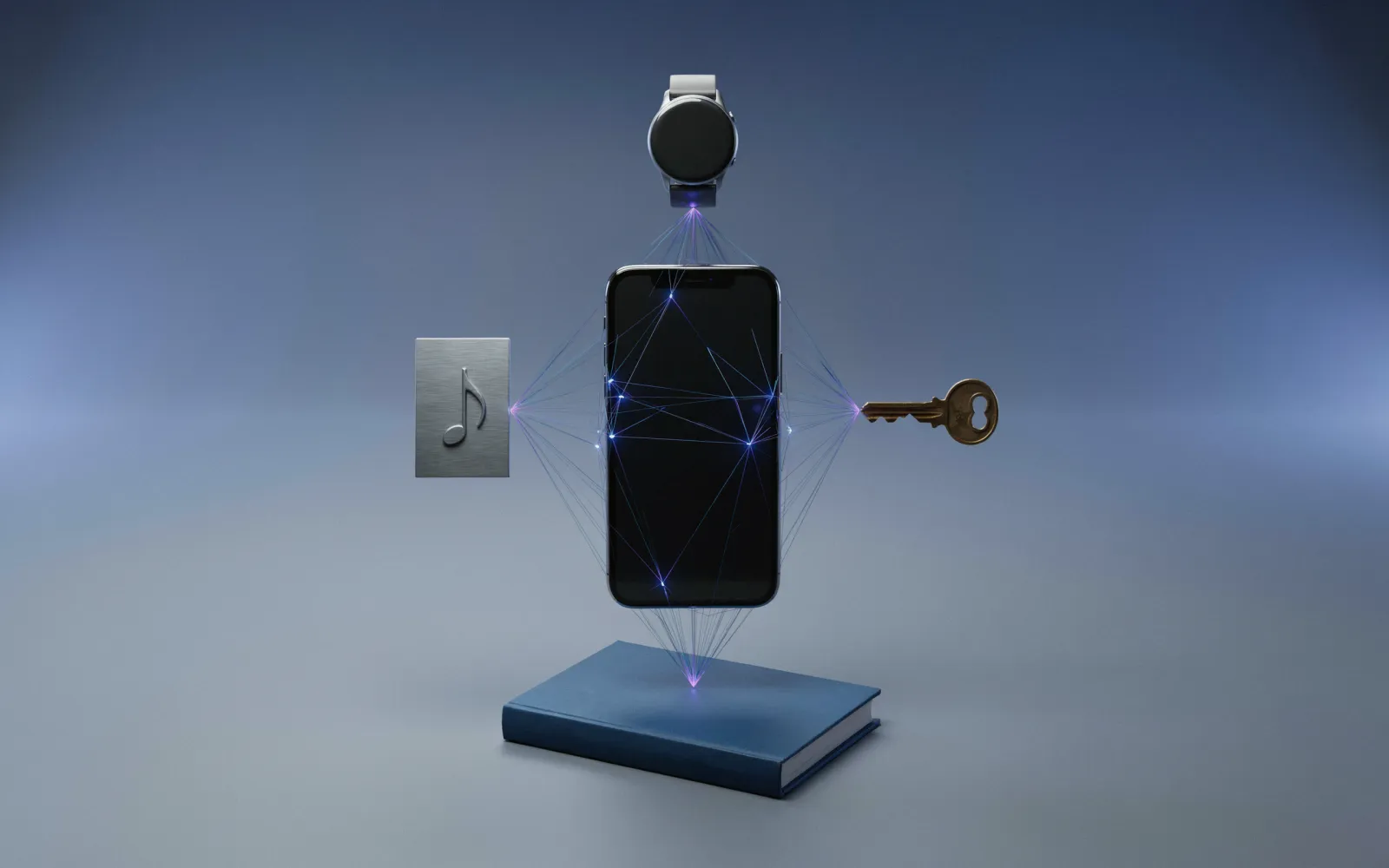
During the keynote, Apple showcased Siri AI’s contextual awareness. The assistant could answer questions that previously required multiple steps, such as “Where was I born?” or “When did I last go on vacation?” In the first example, Siri accessed a passport photo stored in iCloud to confirm the user’s birthplace. In the second, it combined images and messages from a recent trip to Rome, citing the Colosseum and Roman Forum as landmarks. The assistant also provided links to the source content, letting the user verify the information.
Apple also unveiled a new dedicated Siri app that offers a unified interface for the assistant across devices. The app is available on iOS, iPadOS, macOS, watchOS, and visionOS, and it is designed to make the assistant more accessible to developers and users alike.
Despite these advances, the new Siri AI has notable blind spots. The assistant cannot access data from Slack, Facebook Messenger, or Gmail. While Apple’s Mail app is integrated and can be queried by Siri, third‑party email services remain out of reach. Apple’s own statements acknowledge that the assistant’s ability to use personal data is limited to Apple‑controlled services. In contrast, Google Gemini, available to users with a supported plan, can read Gmail messages—a capability that Apple has not yet matched.
The data gaps raise questions about Apple’s approach to third‑party integration. Apple’s emphasis on privacy and on‑device processing means it has chosen to restrict access to non‑Apple data sources. The company has not indicated plans to open an API for Gmail or other services, nor has it disclosed whether it will partner with third‑party providers to extend Siri’s reach.
The event also included minor updates to parental controls and Screen Time. Apple announced new confirmation‑code displays on iPhone when calling a business number, and it added additional filtering options for parents. While useful, these features were not highlighted as major innovations.
Apple’s AI strategy has been described as a “system‑wide” approach that prioritizes embedding intelligence into everyday user experiences rather than launching standalone chat products. The company’s focus on on‑device models and private cloud compute is intended to preserve privacy while delivering responsive performance. However, the lack of third‑party data access could limit Siri AI’s usefulness for users who rely on services such as Gmail, Slack, or Facebook Messenger.
The WWDC 2026 event concluded with a brief mention of upcoming hardware releases, including the next generation of Apple Vision Pro, but no new devices were announced. The company’s AI announcements are expected to influence future software updates and developer tools.
In summary, Apple’s Siri AI represents a significant step toward a more contextually aware assistant that can draw on personal data stored within the Apple ecosystem. The assistant’s ability to reference photos, messages, and other Apple‑controlled content is a notable improvement over previous versions. However, the assistant’s inability to access third‑party services such as Gmail, Slack, and Facebook Messenger remains a limitation that may affect adoption among users who depend on those platforms. Apple has not yet indicated whether it will expand Siri AI’s data reach, leaving the question of broader integration open for future development.
Apple Intelligence, announced in 2024, bundles on‑device and server‑based artificial‑intelligence features that run on iOS 27, iPadOS 27, macOS Golden Gate, visionOS 27, and watchOS 27. Its core is a family of Apple Foundation Models (AFMs). Apple says the AFMs include a 3‑billion‑parameter model that runs on Apple silicon for low‑latency, privacy‑preserving tasks, and a larger mixture‑of‑experts model that operates in a private cloud. A “System Orchestrator” coordinates the two models and connects them to the operating system, allowing system‑wide experiences across Siri, native apps, and third‑party applications.
During the keynote, Apple showcased Siri AI’s contextual awareness. The assistant could answer questions that previously required multiple steps, such as “Where was I born?” or “When did I last go on vacation?” In the first example, Siri accessed a passport photo stored in iCloud to confirm the user’s birthplace. In the second, it combined images and messages from a recent trip to Rome, citing the Colosseum and Roman Forum as landmarks. The assistant also provided links to the source content, letting the user verify the information.
Apple also unveiled a new dedicated Siri app that offers a unified interface for the assistant across devices. The app is available on iOS, iPadOS, macOS, watchOS, and visionOS, and it is designed to make the assistant more accessible to developers and users alike.
Despite these advances, the new Siri AI has notable blind spots. The assistant cannot access data from Slack, Facebook Messenger, or Gmail. While Apple’s Mail app is integrated and can be queried by Siri, third‑party email services remain out of reach. Apple’s own statements acknowledge that the assistant’s ability to use personal data is limited to Apple‑controlled services. In contrast, Google Gemini, available to users with a supported plan, can read Gmail messages—a capability that Apple has not yet matched.
The data gaps raise questions about Apple’s approach to third‑party integration. Apple’s emphasis on privacy and on‑device processing means it has chosen to restrict access to non‑Apple data sources. The company has not indicated plans to open an API for Gmail or other services, nor has it disclosed whether it will partner with third‑party providers to extend Siri’s reach.
The event also included minor updates to parental controls and Screen Time. Apple announced new confirmation‑code displays on iPhone when calling a business number, and it added additional filtering options for parents. While useful, these features were not highlighted as major innovations.
Apple’s AI strategy has been described as a “system‑wide” approach that prioritizes embedding intelligence into everyday user experiences rather than launching standalone chat products. The company’s focus on on‑device models and private cloud compute is intended to preserve privacy while delivering responsive performance. However, the lack of third‑party data access could limit Siri AI’s usefulness for users who rely on services such as Gmail, Slack, or Facebook Messenger.
The WWDC 2026 event concluded with a brief mention of upcoming hardware releases, including the next generation of Apple Vision Pro, but no new devices were announced. The company’s AI announcements are expected to influence future software updates and developer tools.
In summary, Apple’s Siri AI represents a significant step toward a more contextually aware assistant that can draw on personal data stored within the Apple ecosystem. The assistant’s ability to reference photos, messages, and other Apple‑controlled content is a notable improvement over previous versions. However, the assistant’s inability to access third‑party services such as Gmail, Slack, and Facebook Messenger remains a limitation that may affect adoption among users who depend on those platforms. Apple has not yet indicated whether it will expand Siri AI’s data reach, leaving the question of broader integration open for future development.





