Blab AI
Visa Integrates Payment Network with ChatGPT, Enabling AI-Driven Purchases
When you ask ChatGPT for a pair of headphones, the answer might now include a payment confirmation.
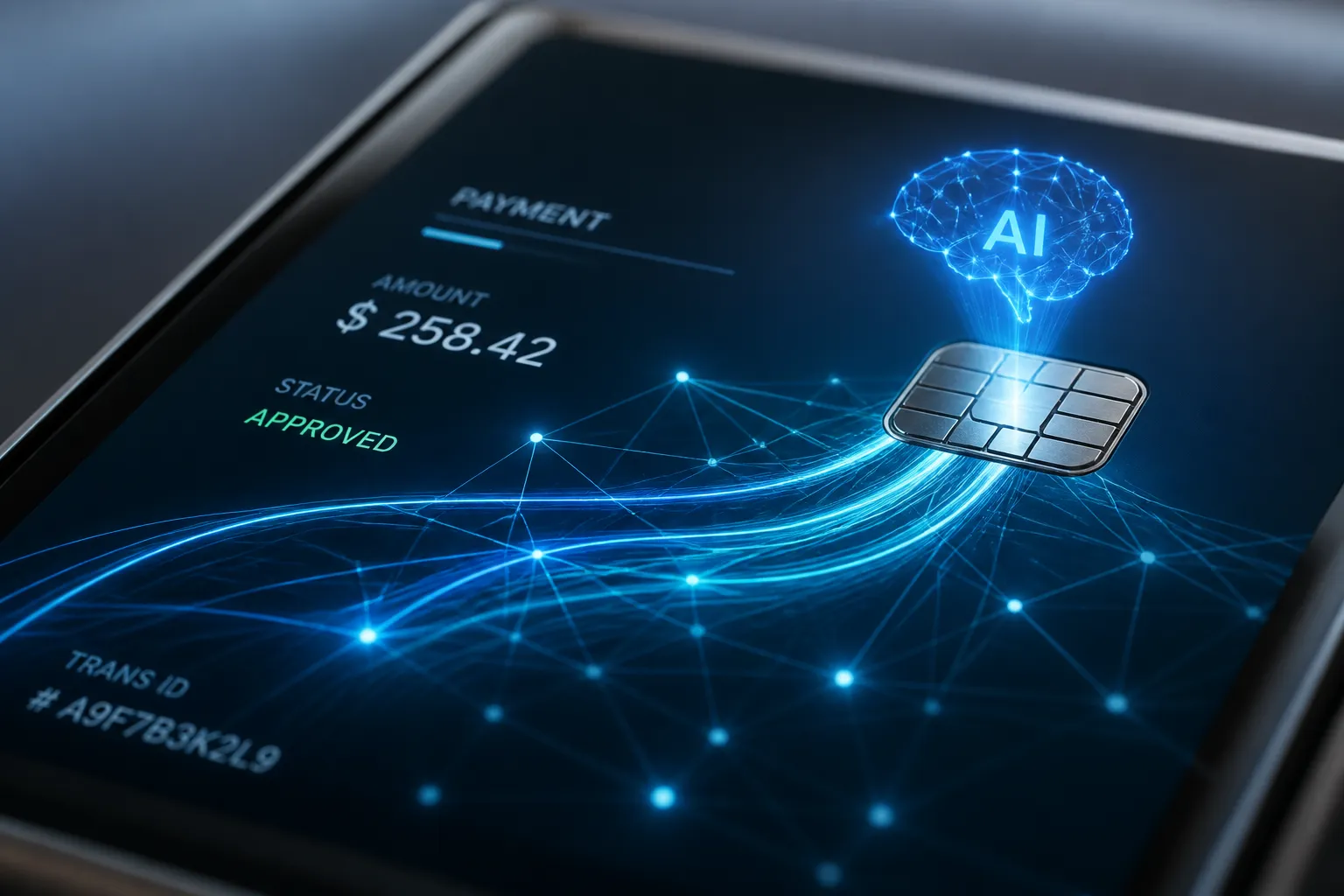
On Wednesday, Visa Inc. announced that its payment network will be embedded in OpenAI’s ChatGPT, letting the chatbot complete purchases using a user’s Visa card. The change means that, once a user requests a product, the AI can place an order and charge the card without a human intermediary.
The move follows a brief experiment with AI‑powered shopping. In September 2025 OpenAI launched an Instant Checkout feature that let users buy items directly inside the ChatGPT interface. The service was pulled in March 2026 after only a handful of merchants went live, a decision attributed to the complexity and cost of building a full‑fledged commerce infrastructure.
Under the new arrangement, a user could ask ChatGPT for a pair of wireless headphones under $150. The AI would search for suitable options, pick one that met the criteria, and finalize the transaction with the user’s Visa card. Visa’s chief product and strategy officer, Jack Forestell, told the Associated Press that most people are now comfortable with AI handling discovery and that the experience feels superior to traditional shopping. He added that moving from recommendation to purchase requires a higher level of trust.
Security and fraud remain significant concerns. A recent analysis by the scam‑checking service Ask Silver found that ChatGPT was recommending fraudulent clones of legitimate storefronts that could steal money and bank details. The report highlighted that as more of the web is optimized for AI bots, the risk of a bot being duped by a scam increases.
Visa said it will monitor the new capability closely. Forestell emphasized that as AI agents become active participants in the economy, Visa’s focus is on ensuring transactions are trusted, secure, and seamless. Visa’s global network, VisaNet, processes billions of transactions each year and operates through four secure data centers in the United States, the United Kingdom, and Singapore.
The partnership reflects a broader trend of payment providers exploring AI integration to streamline commerce. By embedding payment logic directly into conversational agents, companies aim to reduce friction for consumers and open new revenue streams. However, the industry must balance convenience with robust fraud detection, consumer protection, and regulatory compliance.
At present, the feature is available only in the United States and is limited to users who have linked a Visa card to their ChatGPT account. Visa has not announced a timeline for expanding the service to other regions or card networks. The company also has not disclosed any data on transaction volume or merchant participation.
The development raises questions about the future of e‑commerce. If AI agents can reliably handle the entire purchase cycle, merchants may need to adapt their checkout processes to accommodate bot‑initiated orders. Regulators may also scrutinize how consumer consent and data privacy are managed when an AI acts on a user’s behalf.
In summary, Visa’s integration with ChatGPT marks a milestone in AI‑enabled commerce, but it also underscores the need for vigilant security measures and clear regulatory frameworks. The industry will watch closely to see how quickly merchants adopt the new payment flow, how many transactions are processed, and whether fraud rates rise as AI agents become more common.
On Wednesday, Visa Inc. announced that its payment network will be embedded in OpenAI’s ChatGPT, letting the chatbot complete purchases using a user’s Visa card. The change means that, once a user requests a product, the AI can place an order and charge the card without a human intermediary.
The move follows a brief experiment with AI‑powered shopping. In September 2025 OpenAI launched an Instant Checkout feature that let users buy items directly inside the ChatGPT interface. The service was pulled in March 2026 after only a handful of merchants went live, a decision attributed to the complexity and cost of building a full‑fledged commerce infrastructure.
Under the new arrangement, a user could ask ChatGPT for a pair of wireless headphones under $150. The AI would search for suitable options, pick one that met the criteria, and finalize the transaction with the user’s Visa card. Visa’s chief product and strategy officer, Jack Forestell, told the Associated Press that most people are now comfortable with AI handling discovery and that the experience feels superior to traditional shopping. He added that moving from recommendation to purchase requires a higher level of trust.
Security and fraud remain significant concerns. A recent analysis by the scam‑checking service Ask Silver found that ChatGPT was recommending fraudulent clones of legitimate storefronts that could steal money and bank details. The report highlighted that as more of the web is optimized for AI bots, the risk of a bot being duped by a scam increases.
Visa said it will monitor the new capability closely. Forestell emphasized that as AI agents become active participants in the economy, Visa’s focus is on ensuring transactions are trusted, secure, and seamless. Visa’s global network, VisaNet, processes billions of transactions each year and operates through four secure data centers in the United States, the United Kingdom, and Singapore.
The partnership reflects a broader trend of payment providers exploring AI integration to streamline commerce. By embedding payment logic directly into conversational agents, companies aim to reduce friction for consumers and open new revenue streams. However, the industry must balance convenience with robust fraud detection, consumer protection, and regulatory compliance.
At present, the feature is available only in the United States and is limited to users who have linked a Visa card to their ChatGPT account. Visa has not announced a timeline for expanding the service to other regions or card networks. The company also has not disclosed any data on transaction volume or merchant participation.
The development raises questions about the future of e‑commerce. If AI agents can reliably handle the entire purchase cycle, merchants may need to adapt their checkout processes to accommodate bot‑initiated orders. Regulators may also scrutinize how consumer consent and data privacy are managed when an AI acts on a user’s behalf.
In summary, Visa’s integration with ChatGPT marks a milestone in AI‑enabled commerce, but it also underscores the need for vigilant security measures and clear regulatory frameworks. The industry will watch closely to see how quickly merchants adopt the new payment flow, how many transactions are processed, and whether fraud rates rise as AI agents become more common.





