Blab AI
USF Research Shows Rising Use of AI for Vacation Planning
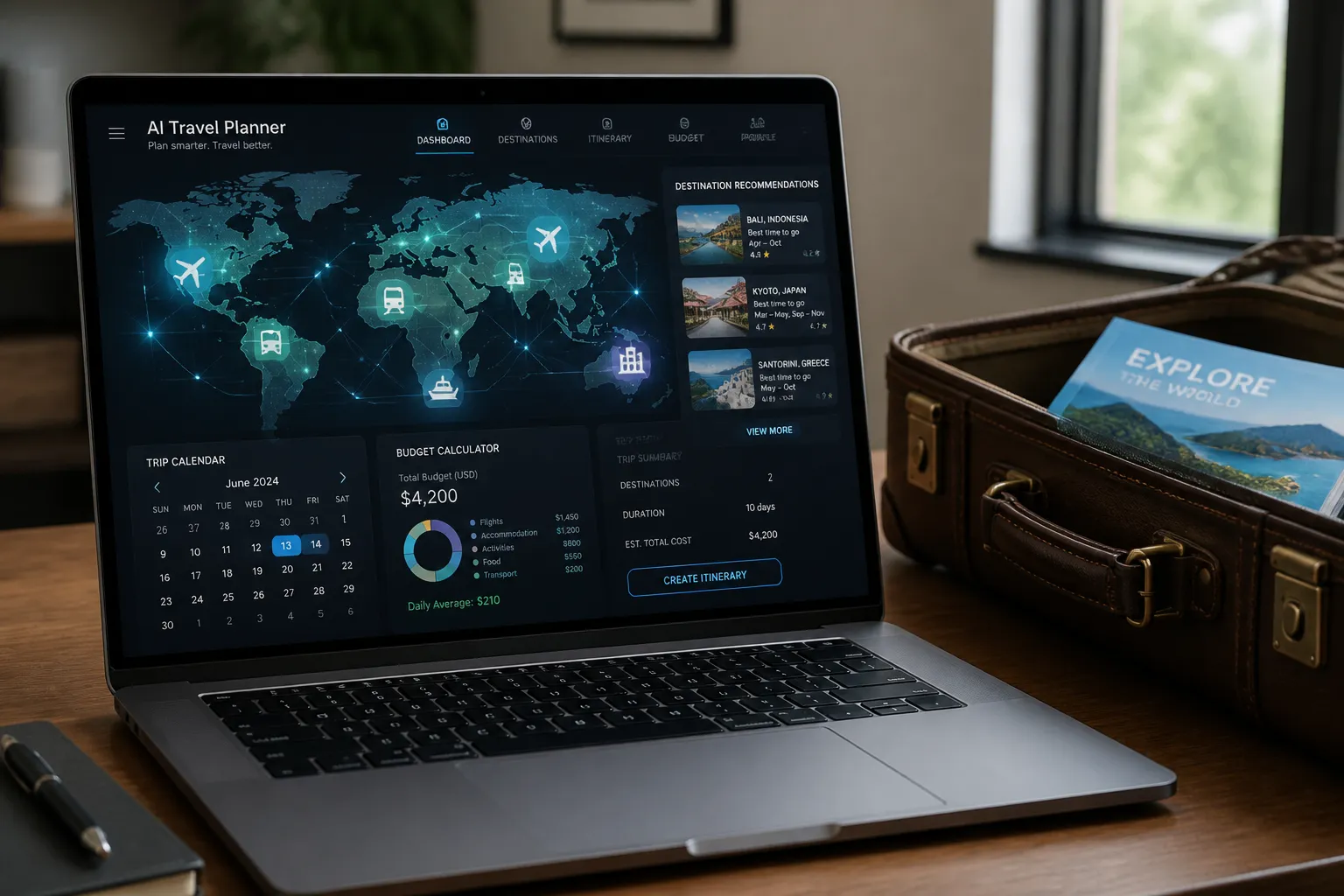
Artificial intelligence is increasingly being used by travelers to design itineraries, according to an assistant professor at the University of South Florida (USF). In a recent interview, Seden Doğan said that the share of people who use AI tools to plan trips rose from 38 percent in 2024 to 55 percent in 2025, based on Skift’s U.S. Travel Tracker Survey. The professor cited a couple from Tampa—Amy and Mark Adams—who used ChatGPT to plan a nine‑day trip to Italy, illustrating how the technology can generate a draft schedule, suggest restaurants, and uncover local experiences that might otherwise be missed.
The Adams began the process by telling ChatGPT that they wanted a “full‑day itinerary from Venice to Florence to Rome, the Amalfi Coast and back to Rome, using trains where possible.” The chatbot returned a generic outline, after which the couple asked for more specific recommendations. They received a list of hotels and restaurants that ranged from high‑end to family‑owned establishments, and the AI also suggested a private farm tour and cooking class on the Gulf of Naples. The couple said the experience was memorable and that they would not have found the farm tour without the AI’s guidance.
Doğan explained that AI can reduce the time required to research a trip. “If you want to do it by yourself, you have to spend a lot of hours searching on Google or reading all the reviews and everything. But AI is actually summarizing everything for you in just seconds,” she said. She added that the quality of the output depends on the detail of the prompt. “Use AI as your travel assistant, not to make it like your travel boss,” she cautioned. “Travel is all about spontaneous, unplanned moments. But on the other side, you of course want to know where to go, where to eat, or where to visit.”
The professor also warned travelers about the limits of the technology. “AI can give inaccurate replies,” she said. “Verify the details yourself.” She noted that most AI platforms store the information that users feed them, and advised users not to share personal data such as addresses, credit‑card numbers or phone numbers.
The rise in AI‑assisted travel planning reflects a broader trend in the tourism sector. Skift’s survey shows that the percentage of travelers using AI tools grew by 17 percent in one year, a jump that industry observers say is driven by the convenience of instant, personalized recommendations. However, experts point out that AI tools are still dependent on the quality and currency of the data they were trained on, and that they can propagate outdated or incorrect information.
In practice, many travelers are using AI to draft itineraries and then cross‑checking the results with travel guides, review sites and local contacts. The technology is also being integrated into travel‑booking platforms, allowing users to receive real‑time pricing and availability updates. As the industry continues to adopt AI, the need for clear data‑privacy policies and user education about the limitations of the technology will become increasingly important.
At present, the trend toward AI‑powered travel planning is steady, with more travelers turning to chatbots and other generative‑AI tools for inspiration and logistics. The next steps for the industry include improving the accuracy of AI recommendations, ensuring transparency about data usage, and developing best‑practice guidelines for travelers who rely on these tools. For now, experts like Doğan emphasize that AI should complement, not replace, human judgment in the planning process.
The Adams began the process by telling ChatGPT that they wanted a “full‑day itinerary from Venice to Florence to Rome, the Amalfi Coast and back to Rome, using trains where possible.” The chatbot returned a generic outline, after which the couple asked for more specific recommendations. They received a list of hotels and restaurants that ranged from high‑end to family‑owned establishments, and the AI also suggested a private farm tour and cooking class on the Gulf of Naples. The couple said the experience was memorable and that they would not have found the farm tour without the AI’s guidance.
Doğan explained that AI can reduce the time required to research a trip. “If you want to do it by yourself, you have to spend a lot of hours searching on Google or reading all the reviews and everything. But AI is actually summarizing everything for you in just seconds,” she said. She added that the quality of the output depends on the detail of the prompt. “Use AI as your travel assistant, not to make it like your travel boss,” she cautioned. “Travel is all about spontaneous, unplanned moments. But on the other side, you of course want to know where to go, where to eat, or where to visit.”
The professor also warned travelers about the limits of the technology. “AI can give inaccurate replies,” she said. “Verify the details yourself.” She noted that most AI platforms store the information that users feed them, and advised users not to share personal data such as addresses, credit‑card numbers or phone numbers.
The rise in AI‑assisted travel planning reflects a broader trend in the tourism sector. Skift’s survey shows that the percentage of travelers using AI tools grew by 17 percent in one year, a jump that industry observers say is driven by the convenience of instant, personalized recommendations. However, experts point out that AI tools are still dependent on the quality and currency of the data they were trained on, and that they can propagate outdated or incorrect information.
In practice, many travelers are using AI to draft itineraries and then cross‑checking the results with travel guides, review sites and local contacts. The technology is also being integrated into travel‑booking platforms, allowing users to receive real‑time pricing and availability updates. As the industry continues to adopt AI, the need for clear data‑privacy policies and user education about the limitations of the technology will become increasingly important.
At present, the trend toward AI‑powered travel planning is steady, with more travelers turning to chatbots and other generative‑AI tools for inspiration and logistics. The next steps for the industry include improving the accuracy of AI recommendations, ensuring transparency about data usage, and developing best‑practice guidelines for travelers who rely on these tools. For now, experts like Doğan emphasize that AI should complement, not replace, human judgment in the planning process.





