Blab AI
SoftBank Faces Margin-Loan Setback After OpenAI Stake Talks Stall
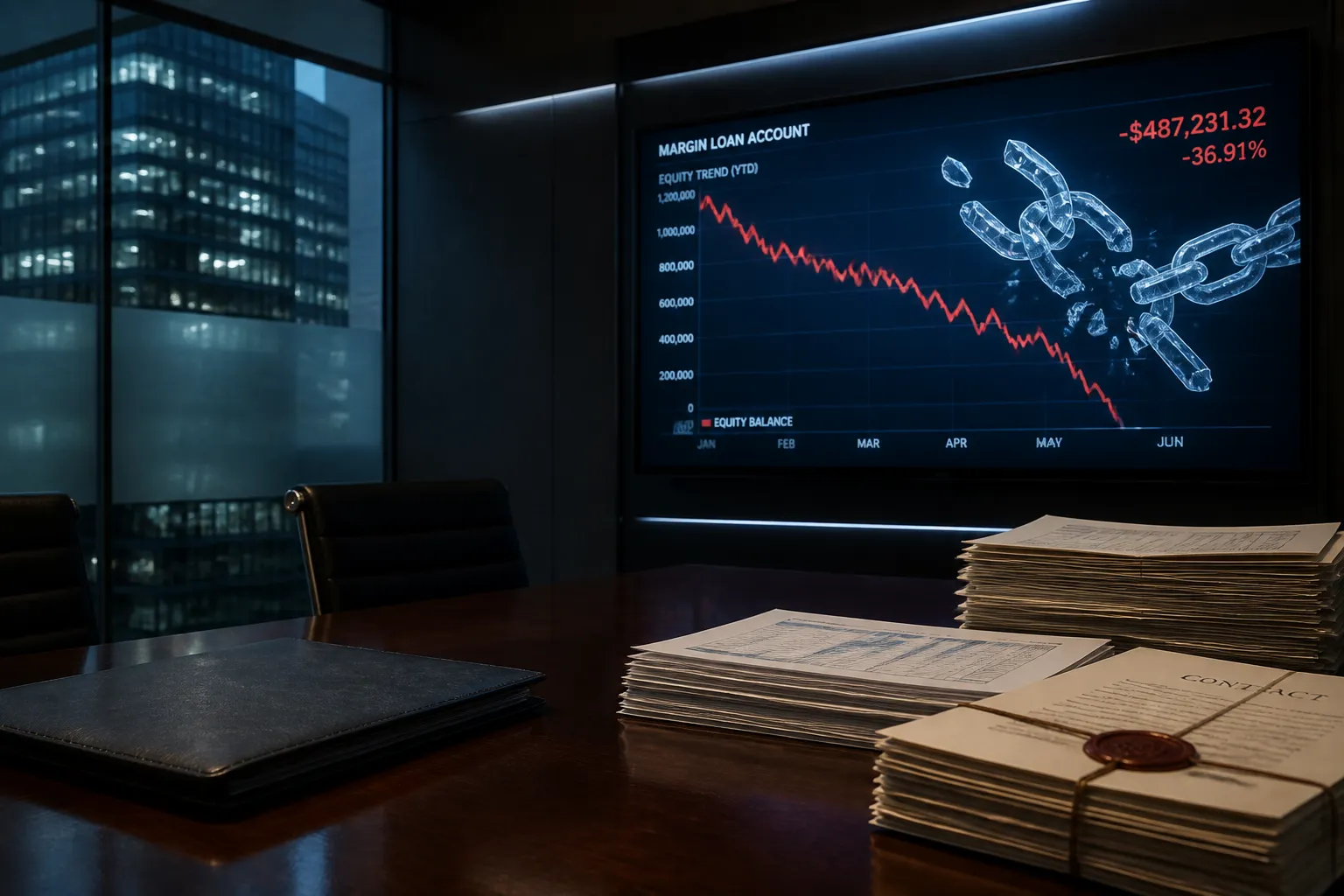
SoftBank Group Corp. (TSE:9984) has hit a financing snag after negotiations for a margin loan of roughly US$6 billion, secured against its stake in OpenAI, stalled. The setback triggered a near‑10 % drop in SoftBank’s shares, pulling the stock to about ¥6,372 on the Tokyo exchange.
The margin loan was intended to provide liquidity for SoftBank’s growing AI portfolio, which includes Vision Fund 2, a $40 billion bridge loan, and a planned $10 billion loan that was later scaled back to $6 billion. Bloomberg reported that lenders—private credit firms, financial institutions and hedge funds—were reluctant to proceed, citing uncertainty around private AI valuations.
SoftBank’s AI strategy has been a key driver of its recent financial performance. The company announced that its 2025 net profit had quadrupled to more than $30 billion, largely due to gains from AI investments. The group’s share price has recovered from a sharp decline earlier in the year, posting an 80.88 % return over the past 90 days and a 213.01 % total shareholder return over the past year.
Despite the loan setback, SoftBank’s shares are trading around ¥6,472, modestly below the average analyst target of ¥6,861. Analysts have highlighted a fair‑value estimate of ¥4,498.70, suggesting the current rally may be stretched. The company’s price‑to‑earnings ratio of 7.4× is below peer and industry averages of 17.9× and 16×, and below a fair ratio of 12.4×, indicating that the stock may be undervalued on earnings grounds.
The margin loan structure would have allowed SoftBank to borrow against its OpenAI stake for a two‑year term, with an option to extend for a third year. The deal would have supported capital‑intensive projects such as the company’s €45 billion AI data‑center investment in France and its participation in the U.S. Stargate initiative, a $500 billion AI infrastructure project announced in January 2026.
SoftBank’s AI commitments extend beyond data centers. The conglomerate has invested in robotics, including its SoftBank Robotics Group, and has pledged up to an additional $30 billion to OpenAI, according to a source familiar with the matter. The company’s broader AI strategy also includes acquisitions of Ampere and plans to work with firms such as Glean.
The loan setback raises questions about SoftBank’s ability to fund future AI initiatives. Credit‑default swap spreads for SoftBank’s debt widened by about 61 basis points in 2026, indicating higher perceived credit risk. Investors have expressed concern that the company’s high leverage and ambitious infrastructure plans could strain cash flows.
SoftBank’s share price remains volatile. While the recent rally has been driven by strong earnings and AI‑related optimism, the margin‑loan hiccup has prompted a reassessment of the company’s risk profile. Analysts note that a successful re‑rating could support a move toward the ¥4,400 zone and beyond, but only if catalysts materialize amid accelerating global AI adoption.
In summary, SoftBank’s margin‑loan negotiations, backed by its OpenAI stake, have stalled, causing a sharp share‑price decline. The company’s AI‑focused investments have delivered significant profit growth, yet the financing setback highlights execution risk and the need for additional liquidity to sustain its high‑concentration AI strategy. Investors will be watching whether SoftBank can secure alternative financing, how the company manages its capital‑intensive projects, and whether its AI ambitions can translate into sustainable cash flow.
The margin loan was intended to provide liquidity for SoftBank’s growing AI portfolio, which includes Vision Fund 2, a $40 billion bridge loan, and a planned $10 billion loan that was later scaled back to $6 billion. Bloomberg reported that lenders—private credit firms, financial institutions and hedge funds—were reluctant to proceed, citing uncertainty around private AI valuations.
SoftBank’s AI strategy has been a key driver of its recent financial performance. The company announced that its 2025 net profit had quadrupled to more than $30 billion, largely due to gains from AI investments. The group’s share price has recovered from a sharp decline earlier in the year, posting an 80.88 % return over the past 90 days and a 213.01 % total shareholder return over the past year.
Despite the loan setback, SoftBank’s shares are trading around ¥6,472, modestly below the average analyst target of ¥6,861. Analysts have highlighted a fair‑value estimate of ¥4,498.70, suggesting the current rally may be stretched. The company’s price‑to‑earnings ratio of 7.4× is below peer and industry averages of 17.9× and 16×, and below a fair ratio of 12.4×, indicating that the stock may be undervalued on earnings grounds.
The margin loan structure would have allowed SoftBank to borrow against its OpenAI stake for a two‑year term, with an option to extend for a third year. The deal would have supported capital‑intensive projects such as the company’s €45 billion AI data‑center investment in France and its participation in the U.S. Stargate initiative, a $500 billion AI infrastructure project announced in January 2026.
SoftBank’s AI commitments extend beyond data centers. The conglomerate has invested in robotics, including its SoftBank Robotics Group, and has pledged up to an additional $30 billion to OpenAI, according to a source familiar with the matter. The company’s broader AI strategy also includes acquisitions of Ampere and plans to work with firms such as Glean.
The loan setback raises questions about SoftBank’s ability to fund future AI initiatives. Credit‑default swap spreads for SoftBank’s debt widened by about 61 basis points in 2026, indicating higher perceived credit risk. Investors have expressed concern that the company’s high leverage and ambitious infrastructure plans could strain cash flows.
SoftBank’s share price remains volatile. While the recent rally has been driven by strong earnings and AI‑related optimism, the margin‑loan hiccup has prompted a reassessment of the company’s risk profile. Analysts note that a successful re‑rating could support a move toward the ¥4,400 zone and beyond, but only if catalysts materialize amid accelerating global AI adoption.
In summary, SoftBank’s margin‑loan negotiations, backed by its OpenAI stake, have stalled, causing a sharp share‑price decline. The company’s AI‑focused investments have delivered significant profit growth, yet the financing setback highlights execution risk and the need for additional liquidity to sustain its high‑concentration AI strategy. Investors will be watching whether SoftBank can secure alternative financing, how the company manages its capital‑intensive projects, and whether its AI ambitions can translate into sustainable cash flow.





