Blab AI
Ne pals IT Exports Surge to $1 billion as AI Startups and Hydropower-Powered Data Centers Expand
In 2025, Nepal crossed the $1 billion threshold in information‑technology services exports—a milestone the Kathmandu Post described as the country’s first time reaching that figure. The volume more than doubled the amount recorded three years earlier, underscoring a rapid expansion in software development, AI services, and even “home loan data processing for Australian companies,” the newspaper reported.
For a nation with a gross domestic product of roughly $45 billion and a per‑capita income near $1,550, the jump is striking. Nepal’s economy has long depended on tourism and remittances, but the new export figure signals a pivot toward high‑value digital services.
Entrepreneurial activity is a key driver. Pukar Hamal, CEO of San Francisco‑based SecurityPal—a startup that automates due‑diligence for commercial transactions—said the company’s 2025 expansion into Kathmandu was a step toward “playing catch‑up.” SecurityPal’s client roster includes OpenAI and Grammarly, and the Kathmandu office now employs close to 200 people. Hamal told Reason that Nepal is “at the very early parts of a hockey‑stick curve.”
SecurityPal’s growth is part of a broader initiative called Silicon Peaks, which Hamal describes as an “ecosystem” aimed at attracting investment into Nepali tech firms, giving Western companies faster access to local talent, and encouraging foreign corporations to set up shop in Nepal. The program has reportedly injected more than $200 million directly into Silicon Peaks companies.
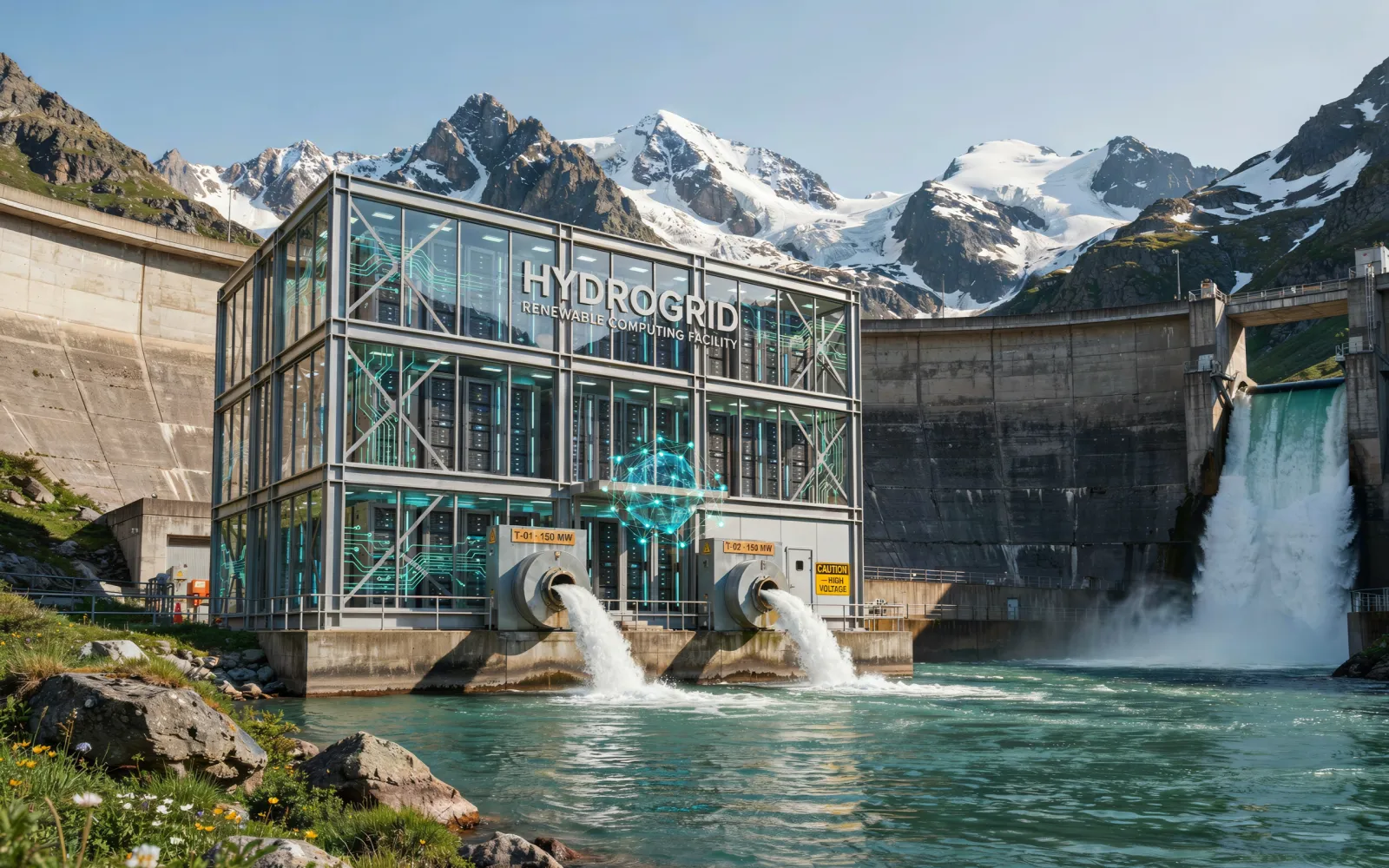
Geography and energy supply also play a role. Nepal lies a few hours’ flight from 42 percent of the world’s population and 35 percent of global GDP. Its topography and climate enable a power grid that runs almost exclusively on carbon‑free hydropower, which is a fraction of the cost of electricity in the United States. Hamal noted that Nepal is “flush with water,” and that its data‑center industry can benefit from abundant, low‑cost renewable energy.
Despite these advantages, the data‑center sector remains nascent. Kathmandu hosts 10 operational facilities, all of which are only a couple of megawatts in size, according to Data Center Map. The country’s largest facility, operated by WorldLink, opened in February 2025 and is part of a plan to build 14 data‑center sites nationwide. Two new Tier‑IV hyperscale data centers, each with a combined 5 MW capacity, are scheduled for construction in Chobhar and Birgunj, with the first expected to open in 2026.
Investment interest is growing. Fortune 500 firms such as Coca‑Cola and Mastercard already maintain tech operations in Nepal, and the government’s recent policy shift is supportive. In March 2026, Nepal’s ruling communist party was voted out in a general election, and the Rastriya Swatantra Party—a centrist, market‑friendly party—took power. The new administration pledged to reduce corruption, increase tech‑service exports, and promote digital‑first governance.
Economic indicators reflect a positive trend. From July 2025 to April 2026, average inflation fell to 2.39 percent from 4.57 percent the year before, according to Ne pal News. Exports and imports rose, though prices increased to 4.47 percent from 3.39 percent a year earlier. The U.S. Department of Government Efficiency cut nearly $330 million in USAID funding to Nepal in 2025, a move that impacted some non‑profit and agricultural projects.
Hamal expressed optimism that a free‑market, technology‑driven economy could accelerate Nepal’s development. He said, “I’m hoping that the taste of [the] free market, compounding growth, [and] technology‑driven economic growth—which can happen quite rapidly, if you play your cards right—will help the country see that they don’t need to embrace this communist system.”
The combination of a growing IT export sector, expanding data‑center capacity powered by hydropower, and a political environment favoring market reforms suggests that Nepal may become a notable player in the regional AI and tech ecosystem. Whether the country can sustain this momentum and translate it into broader economic diversification remains to be seen.
For a nation with a gross domestic product of roughly $45 billion and a per‑capita income near $1,550, the jump is striking. Nepal’s economy has long depended on tourism and remittances, but the new export figure signals a pivot toward high‑value digital services.
Entrepreneurial activity is a key driver. Pukar Hamal, CEO of San Francisco‑based SecurityPal—a startup that automates due‑diligence for commercial transactions—said the company’s 2025 expansion into Kathmandu was a step toward “playing catch‑up.” SecurityPal’s client roster includes OpenAI and Grammarly, and the Kathmandu office now employs close to 200 people. Hamal told Reason that Nepal is “at the very early parts of a hockey‑stick curve.”
SecurityPal’s growth is part of a broader initiative called Silicon Peaks, which Hamal describes as an “ecosystem” aimed at attracting investment into Nepali tech firms, giving Western companies faster access to local talent, and encouraging foreign corporations to set up shop in Nepal. The program has reportedly injected more than $200 million directly into Silicon Peaks companies.
Geography and energy supply also play a role. Nepal lies a few hours’ flight from 42 percent of the world’s population and 35 percent of global GDP. Its topography and climate enable a power grid that runs almost exclusively on carbon‑free hydropower, which is a fraction of the cost of electricity in the United States. Hamal noted that Nepal is “flush with water,” and that its data‑center industry can benefit from abundant, low‑cost renewable energy.
Despite these advantages, the data‑center sector remains nascent. Kathmandu hosts 10 operational facilities, all of which are only a couple of megawatts in size, according to Data Center Map. The country’s largest facility, operated by WorldLink, opened in February 2025 and is part of a plan to build 14 data‑center sites nationwide. Two new Tier‑IV hyperscale data centers, each with a combined 5 MW capacity, are scheduled for construction in Chobhar and Birgunj, with the first expected to open in 2026.
Investment interest is growing. Fortune 500 firms such as Coca‑Cola and Mastercard already maintain tech operations in Nepal, and the government’s recent policy shift is supportive. In March 2026, Nepal’s ruling communist party was voted out in a general election, and the Rastriya Swatantra Party—a centrist, market‑friendly party—took power. The new administration pledged to reduce corruption, increase tech‑service exports, and promote digital‑first governance.
Economic indicators reflect a positive trend. From July 2025 to April 2026, average inflation fell to 2.39 percent from 4.57 percent the year before, according to Ne pal News. Exports and imports rose, though prices increased to 4.47 percent from 3.39 percent a year earlier. The U.S. Department of Government Efficiency cut nearly $330 million in USAID funding to Nepal in 2025, a move that impacted some non‑profit and agricultural projects.
Hamal expressed optimism that a free‑market, technology‑driven economy could accelerate Nepal’s development. He said, “I’m hoping that the taste of [the] free market, compounding growth, [and] technology‑driven economic growth—which can happen quite rapidly, if you play your cards right—will help the country see that they don’t need to embrace this communist system.”
The combination of a growing IT export sector, expanding data‑center capacity powered by hydropower, and a political environment favoring market reforms suggests that Nepal may become a notable player in the regional AI and tech ecosystem. Whether the country can sustain this momentum and translate it into broader economic diversification remains to be seen.





