Blab AI
Jammu Municipal Corporation Deploys AI-Powered Road Monitoring and Cold Emulsion Patching to Pre-empt Monsoon Damage
The Jammu Municipal Corporation (JMC) has launched an integrated system that combines artificial‑intelligence (AI) road monitoring with cold‑emulsion pothole patching machines. The initiative, announced in early October 2026, aims to detect and repair road defects before the monsoon season and to support broader smart‑city objectives.
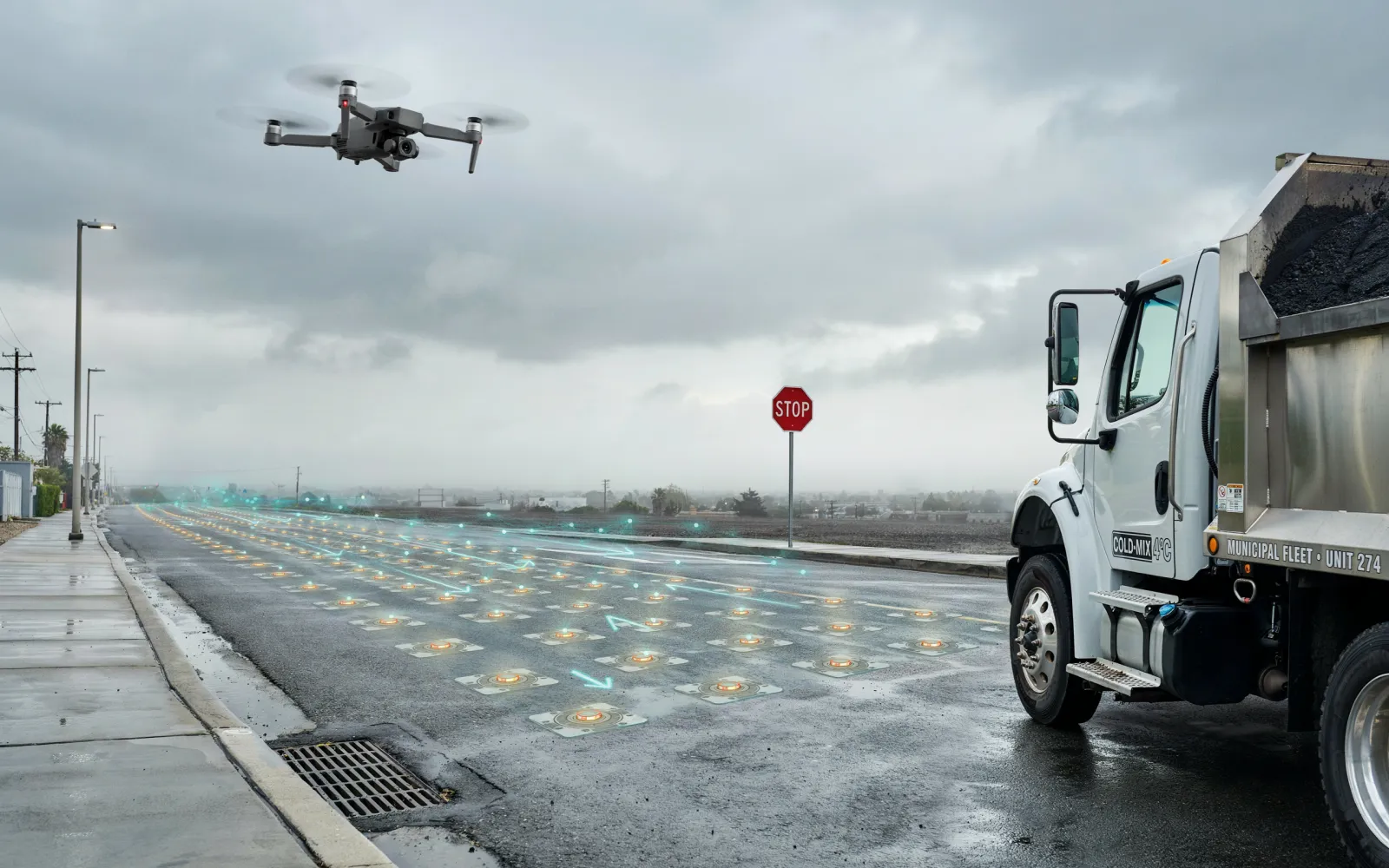
Under the program, municipal vehicles are equipped with AI‑enabled cameras that scan roads continuously. The AI software automatically identifies potholes and other surface defects, assigns geographic coordinates, and compiles digital reports that are sent directly to engineering teams. According to the commissioner, Dr Devansh Yadav, "the civic body has adopted a proactive approach to road maintenance by leveraging modern technology to identify and repair potholes before the onset of the monsoon season." The system is designed to reduce the time between detection and repair, thereby improving road safety and rider comfort.
Once a defect is logged, the JMC deploys a cold‑emulsion pothole patching machine to the site. The machine applies a water‑based emulsion that hardens quickly, allowing repairs to be completed in a single pass and to withstand wet conditions. Yadav said the integration of AI detection with mechanised patching "would significantly reduce the time between identification and repair of road defects, enhancing road safety, improving riding comfort and minimising damage during the rainy season." The cold‑emulsion technology is noted for its rapid setting time and durability in all‑weather conditions.
Beyond potholes, the AI platform is programmed to flag a range of civic issues. The cameras can detect garbage on roads, overflowing dustbins, waterlogging, open manholes and drains, damaged pavements, broken road markings, illegal parking, encroachments, stray cattle, and construction or demolition waste dumping. The data collected feeds into a broader smart‑governance framework that allows JMC to prioritize interventions and allocate resources more efficiently. "The initiative marks a significant step towards predictive maintenance and data‑driven urban management," Yadav added.
The project aligns with Jammu’s broader smart‑city agenda, which includes infrastructure upgrades and digital service delivery. By automating inspection and repair processes, the city expects to reduce maintenance costs and improve public satisfaction. The cold‑emulsion machines also cut down on the need for heavy equipment and minimise traffic disruptions during repairs.
As the monsoon approaches, JMC plans to scale the system across all major arterial roads and to train additional municipal staff on the use of the AI platform and patching equipment. The city will monitor performance metrics such as detection accuracy, repair turnaround time, and road‑surface durability to assess the effectiveness of the program.
At present, the initiative is operational on a limited number of routes, with plans for city‑wide deployment in the coming months. The JMC has not yet released quantitative results on the impact of the system, but officials anticipate measurable improvements in road quality and a reduction in repair backlog.
In summary, Jammu’s deployment of AI‑based road monitoring coupled with cold‑emulsion patching represents a data‑driven approach to urban infrastructure maintenance. The system’s ability to detect a wide array of civic problems and to deliver rapid, durable repairs positions the city to better manage the challenges posed by the upcoming monsoon season and to advance its smart‑city objectives.
Under the program, municipal vehicles are equipped with AI‑enabled cameras that scan roads continuously. The AI software automatically identifies potholes and other surface defects, assigns geographic coordinates, and compiles digital reports that are sent directly to engineering teams. According to the commissioner, Dr Devansh Yadav, "the civic body has adopted a proactive approach to road maintenance by leveraging modern technology to identify and repair potholes before the onset of the monsoon season." The system is designed to reduce the time between detection and repair, thereby improving road safety and rider comfort.
Once a defect is logged, the JMC deploys a cold‑emulsion pothole patching machine to the site. The machine applies a water‑based emulsion that hardens quickly, allowing repairs to be completed in a single pass and to withstand wet conditions. Yadav said the integration of AI detection with mechanised patching "would significantly reduce the time between identification and repair of road defects, enhancing road safety, improving riding comfort and minimising damage during the rainy season." The cold‑emulsion technology is noted for its rapid setting time and durability in all‑weather conditions.
Beyond potholes, the AI platform is programmed to flag a range of civic issues. The cameras can detect garbage on roads, overflowing dustbins, waterlogging, open manholes and drains, damaged pavements, broken road markings, illegal parking, encroachments, stray cattle, and construction or demolition waste dumping. The data collected feeds into a broader smart‑governance framework that allows JMC to prioritize interventions and allocate resources more efficiently. "The initiative marks a significant step towards predictive maintenance and data‑driven urban management," Yadav added.
The project aligns with Jammu’s broader smart‑city agenda, which includes infrastructure upgrades and digital service delivery. By automating inspection and repair processes, the city expects to reduce maintenance costs and improve public satisfaction. The cold‑emulsion machines also cut down on the need for heavy equipment and minimise traffic disruptions during repairs.
As the monsoon approaches, JMC plans to scale the system across all major arterial roads and to train additional municipal staff on the use of the AI platform and patching equipment. The city will monitor performance metrics such as detection accuracy, repair turnaround time, and road‑surface durability to assess the effectiveness of the program.
At present, the initiative is operational on a limited number of routes, with plans for city‑wide deployment in the coming months. The JMC has not yet released quantitative results on the impact of the system, but officials anticipate measurable improvements in road quality and a reduction in repair backlog.
In summary, Jammu’s deployment of AI‑based road monitoring coupled with cold‑emulsion patching represents a data‑driven approach to urban infrastructure maintenance. The system’s ability to detect a wide array of civic problems and to deliver rapid, durable repairs positions the city to better manage the challenges posed by the upcoming monsoon season and to advance its smart‑city objectives.





