Blab AI
Illinois Legislature Passes New Micromobility, Social-Media, and AI Bills as Budget Approved
On the morning of June 1, 2026, the Illinois General Assembly closed its spring session with a headline‑making package that combined the state’s largest budget ever with a slate of new rules poised to reshape daily life for residents.
The $55.9 billion budget—Illinois’ biggest in history—includes sweeping tax hikes and a $56 billion appropriation earmarked for public services in the 2026 fiscal year. Governor J.B. Pritzker signed the package into law the same day, cementing the state’s fiscal direction for the coming year.
Lawmakers also approved several bills that will take effect in 2027 or later. The most discussed measures are:
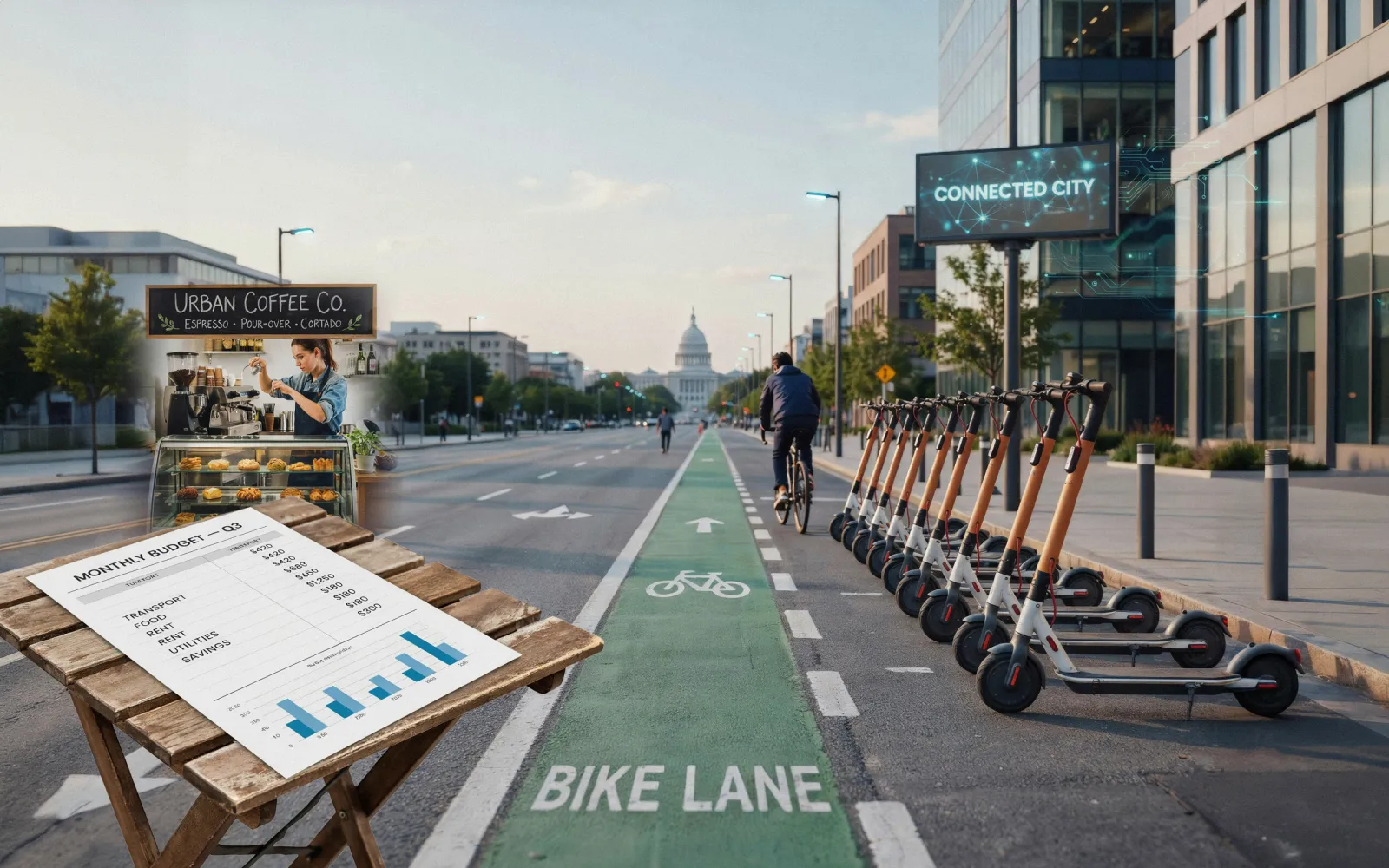
* High‑speed e‑bike regulation (Senate Bill 3484) – Electric bicycles and scooters that can exceed 28 mph will be reclassified as motor vehicles. Riders will need a driver’s license, vehicle title, registration, and liability insurance. The devices will be barred from sidewalks, bike lanes, and bike paths and may only operate on streets with speed limits up to 35 mph unless a dedicated bike lane exists. Devices traveling below 28 mph remain non‑motor vehicles, but riders must be at least 16. The law begins on January 1, 2027.
* Children’s Online Social Media Safety Act (House Bill 5511) – Operating systems on phones, tablets, and personal computers must collect a primary user’s birth date or age during account setup by January 1, 2028, with existing devices required to do so by July 1, 2028. The data will set default privacy settings that block minors from being viewed or messaged by adults, restrict precise location sharing, and prevent the transfer of “gifted currency.” The act also bans addictive feeds for minors and non‑user‑initiated notifications between 10 p.m. and 7 a.m., requiring parental consent to override.
* Artificial Intelligence Safety Measures Act (Senate Bill 315) – Illinois becomes the third state—after New York and California—to adopt a comprehensive AI transparency framework. Companies developing frontier AI models with at least $500 million in annual revenue must disclose model capabilities and safety standards, report critical incidents within 72 hours, provide whistleblower protections, and undergo third‑party audits. The Illinois Attorney General may sue and impose penalties up to $3 million per violation. The provisions take effect on January 1, 2028.
* Data Center Investment Program pause – On June 5, Governor Pritzker announced that the Department of Commerce and Economic Opportunity will suspend all new data‑center agreements starting July 1, allowing the state to assess the economic and community impacts of large data‑center projects.
Other legislation that cleared the floor before adjournment includes:
Senate Bill 2427 – Bans student cell‑phone use during class time in public schools for the 2027‑28 school year. Senate Bill 3222 – Overhauls state cannabis and hemp laws, doubling possession limits and aligning intoxicating‑hemp regulations with federal definitions. House Bill 4537 – Revises property‑tax debt sales to ensure homeowners receive any remaining funds after a tax‑debt auction. House Bill 5090 – Grants rideshare drivers for companies such as Uber and Lyft the right to unionize under a statewide bargaining unit.
Several high‑profile items remain on the back burner. Governor Pritzker’s zoning‑change proposals aimed at boosting housing production, and a property‑tax deal designed to keep the Chicago Bears’ new stadium in Illinois, did not pass before the session adjourned. Those bills may surface again in the fall veto session, the January 2027 lame‑duck session, or a special session called later in the year.
The bills that have passed will now go to Governor Pritzker for signature. If enacted, they will establish new regulatory frameworks for micromobility devices, strengthen privacy protections for minors online, impose transparency and safety requirements on large AI firms, and pause the expansion of data‑center infrastructure. The legislation signals Illinois’ broader trend toward tighter regulation of emerging technologies while balancing economic growth.
With the budget and these new laws in place, the state is poised to shape transportation, digital privacy, AI deployment, and technology infrastructure across Illinois in the coming years.
The $55.9 billion budget—Illinois’ biggest in history—includes sweeping tax hikes and a $56 billion appropriation earmarked for public services in the 2026 fiscal year. Governor J.B. Pritzker signed the package into law the same day, cementing the state’s fiscal direction for the coming year.
Lawmakers also approved several bills that will take effect in 2027 or later. The most discussed measures are:
* High‑speed e‑bike regulation (Senate Bill 3484) – Electric bicycles and scooters that can exceed 28 mph will be reclassified as motor vehicles. Riders will need a driver’s license, vehicle title, registration, and liability insurance. The devices will be barred from sidewalks, bike lanes, and bike paths and may only operate on streets with speed limits up to 35 mph unless a dedicated bike lane exists. Devices traveling below 28 mph remain non‑motor vehicles, but riders must be at least 16. The law begins on January 1, 2027.
* Children’s Online Social Media Safety Act (House Bill 5511) – Operating systems on phones, tablets, and personal computers must collect a primary user’s birth date or age during account setup by January 1, 2028, with existing devices required to do so by July 1, 2028. The data will set default privacy settings that block minors from being viewed or messaged by adults, restrict precise location sharing, and prevent the transfer of “gifted currency.” The act also bans addictive feeds for minors and non‑user‑initiated notifications between 10 p.m. and 7 a.m., requiring parental consent to override.
* Artificial Intelligence Safety Measures Act (Senate Bill 315) – Illinois becomes the third state—after New York and California—to adopt a comprehensive AI transparency framework. Companies developing frontier AI models with at least $500 million in annual revenue must disclose model capabilities and safety standards, report critical incidents within 72 hours, provide whistleblower protections, and undergo third‑party audits. The Illinois Attorney General may sue and impose penalties up to $3 million per violation. The provisions take effect on January 1, 2028.
* Data Center Investment Program pause – On June 5, Governor Pritzker announced that the Department of Commerce and Economic Opportunity will suspend all new data‑center agreements starting July 1, allowing the state to assess the economic and community impacts of large data‑center projects.
Other legislation that cleared the floor before adjournment includes:
Senate Bill 2427 – Bans student cell‑phone use during class time in public schools for the 2027‑28 school year. Senate Bill 3222 – Overhauls state cannabis and hemp laws, doubling possession limits and aligning intoxicating‑hemp regulations with federal definitions. House Bill 4537 – Revises property‑tax debt sales to ensure homeowners receive any remaining funds after a tax‑debt auction. House Bill 5090 – Grants rideshare drivers for companies such as Uber and Lyft the right to unionize under a statewide bargaining unit.
Several high‑profile items remain on the back burner. Governor Pritzker’s zoning‑change proposals aimed at boosting housing production, and a property‑tax deal designed to keep the Chicago Bears’ new stadium in Illinois, did not pass before the session adjourned. Those bills may surface again in the fall veto session, the January 2027 lame‑duck session, or a special session called later in the year.
The bills that have passed will now go to Governor Pritzker for signature. If enacted, they will establish new regulatory frameworks for micromobility devices, strengthen privacy protections for minors online, impose transparency and safety requirements on large AI firms, and pause the expansion of data‑center infrastructure. The legislation signals Illinois’ broader trend toward tighter regulation of emerging technologies while balancing economic growth.
With the budget and these new laws in place, the state is poised to shape transportation, digital privacy, AI deployment, and technology infrastructure across Illinois in the coming years.





