Blab AI
Allen Institutes Shippy AI Transforms Ocean Monitoring, Enables Real-Time Detection of Illegal Fishing
A new AI agent, Shippy, promises to give governments and fishermen a real‑time eye on the seas. The Allen Institute for AI (Ai2) in Seattle announced its launch on GeekWire a day ago, adding a question‑answering layer to its free maritime tracking platform, Skylight.
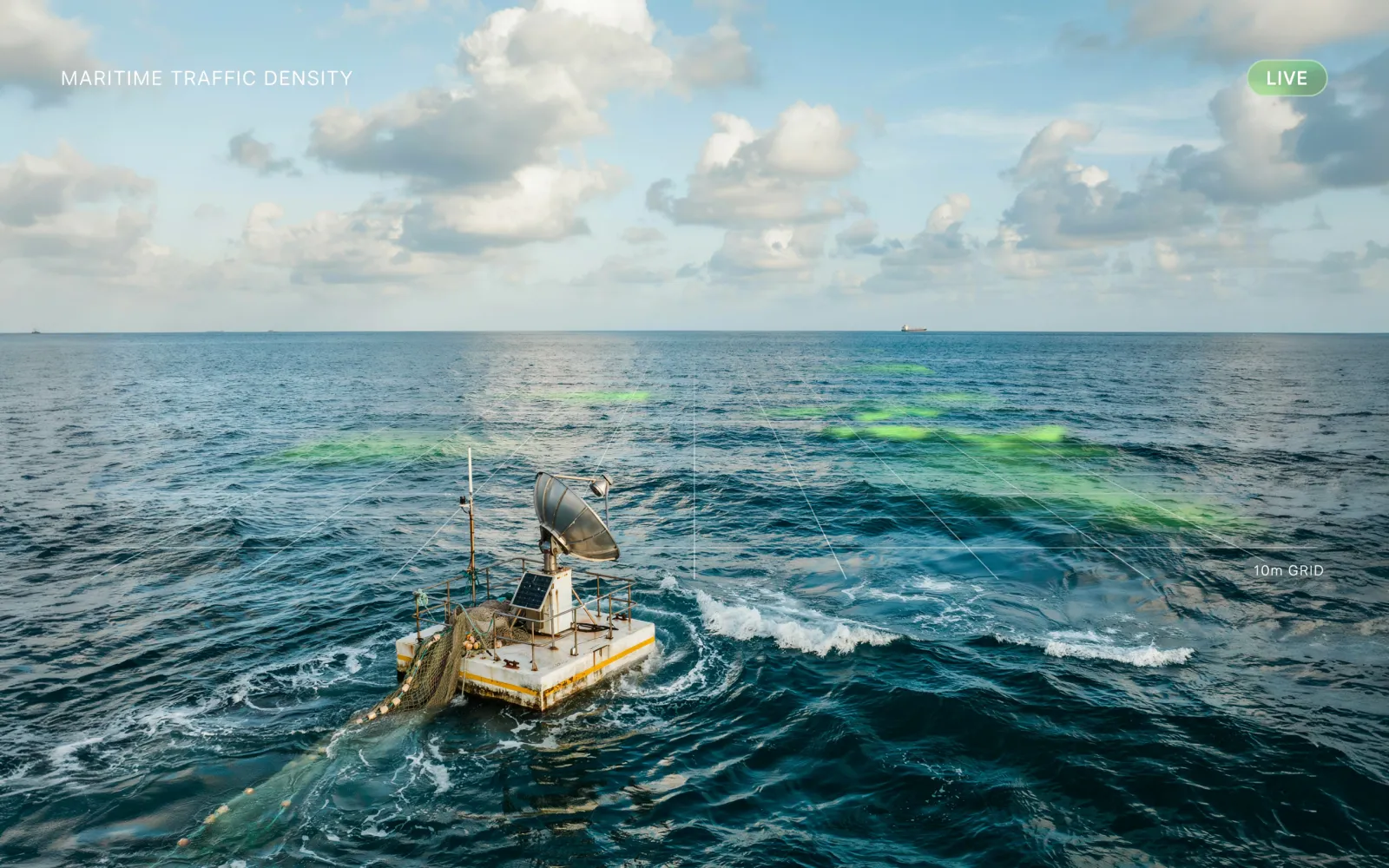
Skylight stitches together public satellite imagery, commercial high‑resolution photographs, and live Automatic Identification System (AIS) feeds to produce a continuous map of ship movements. Shippy builds on that dataset by applying computer‑vision models that Ai2 has released under an open‑source license. When a user asks, for example, “Which vessels are operating near Seattle’s harbor?” or “Which ships have recently turned off their AIS transponders in a protected area?” the agent returns an interactive map and a concise explanation that ties the observation to historical records.
The system is engineered to flag anomalies such as sudden disappearance from AIS coverage or close proximity between vessels at night—behaviors that often signal illegal, unreported, and unregulated (IUU) fishing. IUU fishing, which can cost billions of dollars each year, threatens the livelihoods of artisanal fishers in developing countries and typically involves “going dark” or clandestine transshipments. Shippy’s anomaly‑detection logic is trained to recognize these patterns and alert maritime authorities in near real‑time. The agent does not issue legal judgments; instead, it presents verifiable facts and the reasoning behind each alert, allowing human analysts to decide on enforcement actions.
Ai2’s decision to make Skylight and Shippy free of charge is part of a broader effort to level the digital divide. While wealthier nations can afford proprietary satellite constellations and large analyst teams, small island states and regional fisheries bodies often lack visibility into their waters. According to the GeekWire article, more than 300 organizations in over 70 countries already use the platform. By open‑sourcing the underlying models, Ai2 also invites researchers and conservationists to inspect, improve, and adapt the technology to local needs.
The developers have incorporated strict ethical guardrails. Shippy is programmed to refuse military or defense‑related queries and to halt when data are insufficient, explicitly stating its limitations. The system documents its analytical trail, ensuring that every answer can be audited and reproduced. This design reflects Ai2’s broader shift from building large, general‑purpose models to creating mission‑driven AI solutions that address concrete environmental challenges.
The launch of Shippy follows a recent reorientation of Ai2’s research agenda. Former CEO Ali Farhadi and several key researchers departed for Microsoft, and the institute’s board has emphasized applied AI over theoretical model building. Shippy exemplifies this new focus, demonstrating how a small, specialized agent can deliver tangible benefits in a domain that directly affects global food security and marine ecosystems.
At present, Shippy is operational across the globe, providing real‑time insights into vessel behavior and supporting enforcement agencies in detecting IUU fishing. The open‑source release of its computer‑vision models and the free availability of Skylight suggest that the technology will continue to expand. Future developments may include additional maritime use cases, deeper integration with regional monitoring systems, and further refinement of the agent’s anomaly‑detection capabilities. The current situation underscores a growing trend toward practical, ethically governed AI tools that serve public interests rather than commercial competition.
Skylight stitches together public satellite imagery, commercial high‑resolution photographs, and live Automatic Identification System (AIS) feeds to produce a continuous map of ship movements. Shippy builds on that dataset by applying computer‑vision models that Ai2 has released under an open‑source license. When a user asks, for example, “Which vessels are operating near Seattle’s harbor?” or “Which ships have recently turned off their AIS transponders in a protected area?” the agent returns an interactive map and a concise explanation that ties the observation to historical records.
The system is engineered to flag anomalies such as sudden disappearance from AIS coverage or close proximity between vessels at night—behaviors that often signal illegal, unreported, and unregulated (IUU) fishing. IUU fishing, which can cost billions of dollars each year, threatens the livelihoods of artisanal fishers in developing countries and typically involves “going dark” or clandestine transshipments. Shippy’s anomaly‑detection logic is trained to recognize these patterns and alert maritime authorities in near real‑time. The agent does not issue legal judgments; instead, it presents verifiable facts and the reasoning behind each alert, allowing human analysts to decide on enforcement actions.
Ai2’s decision to make Skylight and Shippy free of charge is part of a broader effort to level the digital divide. While wealthier nations can afford proprietary satellite constellations and large analyst teams, small island states and regional fisheries bodies often lack visibility into their waters. According to the GeekWire article, more than 300 organizations in over 70 countries already use the platform. By open‑sourcing the underlying models, Ai2 also invites researchers and conservationists to inspect, improve, and adapt the technology to local needs.
The developers have incorporated strict ethical guardrails. Shippy is programmed to refuse military or defense‑related queries and to halt when data are insufficient, explicitly stating its limitations. The system documents its analytical trail, ensuring that every answer can be audited and reproduced. This design reflects Ai2’s broader shift from building large, general‑purpose models to creating mission‑driven AI solutions that address concrete environmental challenges.
The launch of Shippy follows a recent reorientation of Ai2’s research agenda. Former CEO Ali Farhadi and several key researchers departed for Microsoft, and the institute’s board has emphasized applied AI over theoretical model building. Shippy exemplifies this new focus, demonstrating how a small, specialized agent can deliver tangible benefits in a domain that directly affects global food security and marine ecosystems.
At present, Shippy is operational across the globe, providing real‑time insights into vessel behavior and supporting enforcement agencies in detecting IUU fishing. The open‑source release of its computer‑vision models and the free availability of Skylight suggest that the technology will continue to expand. Future developments may include additional maritime use cases, deeper integration with regional monitoring systems, and further refinement of the agent’s anomaly‑detection capabilities. The current situation underscores a growing trend toward practical, ethically governed AI tools that serve public interests rather than commercial competition.





